Plant Overview
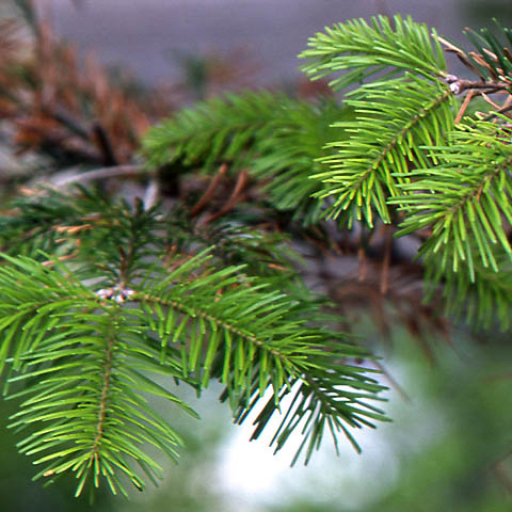
Standing tall against the frigid winds of northern Japan and the Russian Far East, the Sakhalin Fir is a masterpiece of cold-climate architecture. Often called the "Snow King of the North," this evergreen is prized for its remarkably symmetrical, conical shape and fragrant needles that smell like a crisp winter morning. In its homeland of Hokkaido and Sakhalin Island, it forms vast, ethereal forests that look like they belong in a classic holiday card.
🔍 How to Identify
- 🌲 The Silhouette: It grows in a very narrow, sharp spire, making it look much "pointer" than many other fir species.
- 🌿 The Needles: Look for soft, flat needles that are glossy dark green on top with two striking, bright white "racing stripes" (stomata) on the underside.
- 🌑 The Cones: Unlike pines, its cones stand perfectly upright like candles. They start out a deep, misty blue or purple before maturing into a woody brown.
🏡 In Your Garden
- ❄️ Winter Warrior: This tree is built for the cold. It actually requires a period of freezing temperatures to thrive and will struggle or "sulk" in regions with hot, humid summers.
- 💧 Hydration Nuance: It prefers deep, acidic soils that remain consistently moist. Because it comes from foggy, maritime climates, it appreciates a spot in the garden that doesn't suffer from dry, parching winds.
- 🏗️ Root Space: Like many mountain firs, it develops a deep root system. It hates being moved once established, so "measure twice and plant once" when choosing its forever home.
⚠️ Safety & Toxicity
- ✅ Status: Generally non-toxic and safe.
- 🌲 Minor Irritation: While not poisonous to pets or children, the needles are slightly sharp and can cause minor physical irritation if handled roughly. The sticky resin (sap) is harmless but can be very difficult to wash out of fur or clothing!
✨ Fun Fact
In Japan, the essential oil extracted from Sakhalin Fir needles is a staple in "forest bathing" (Shinrin-yoku) products. It contains high levels of phytoncides, which are scientifically thought to reduce stress and lower blood pressure when inhaled!

Detailed Care Instructions
To grow Abies sachalinensis, also known as Sakhalin fir, you can follow these steps:
- Choose a location: Find a sunny or partially shaded spot in your garden where the tree can receive at least 6 hours of direct sunlight daily. The soil should be cool, moist, and well-draining.
- Prepare the soil: Sakhalin fir prefers slightly acidic soil with a pH of 5.0-6.5. Amend the soil with organic matter, such as compost or peat moss, to improve drainage and fertility.
- Planting: Dig a hole that is slightly wider and deeper than the root ball of the tree. Place the root ball in the hole, ensuring that it sits at the same depth as it was in the nursery container. Backfill the hole with the amended soil, gently firming it around the roots. Water thoroughly after planting.
- Watering: Keep the soil consistently moist, especially during the first year of growth. Water deeply once or twice a week, providing about 1 inch of water each time. Avoid overwatering, which may lead to root rot.
- Mulching: Apply a layer of organic mulch, such as shredded bark or wood chips, around the base of the tree. This helps retain moisture, suppress weed growth, and regulate soil temperature. Leave a small gap between the mulch and the trunk to prevent rot.
- Pruning: Sakhalin fir generally requires minimal pruning for a natural shape. Remove any dead, damaged, or crossing branches in late winter or early spring. Prune lightly to maintain a balanced form and encourage healthy growth.
- Fertilizing: Abies sachalinensis usually doesn't require frequent fertilization. However, you can apply a slow-release balanced fertilizer in early spring or late fall to promote growth. Follow the manufacturer's instructions for application rates.
- Protecting from pests and diseases: Sakhalin fir is generally resistant to pests and diseases. However, you may need to monitor for common issues like spider mites, aphids, or needle cast diseases. Treat any infestations or diseases promptly using appropriate horticultural sprays or natural remedies.
- Winter protection: Sakhalin fir is hardy in USDA zones 4-7. Ensure the tree is well-watered going into winter to avoid winter desiccation. Consider providing a burlap wrap or windbreak if your area experiences strong winter winds.
- Regular maintenance: Monitor the growth and health of your Abies sachalinensis regularly. Remove fallen needles, debris, or weeds from around the tree. Prune as necessary to maintain a healthy and aesthetically pleasing shape.
By following these steps and providing proper care, you can successfully grow Abies sachalinensis in your garden.
To water this plant, you should first check the soil moisture level by inserting your finger about an inch deep into the soil. If it feels dry to the touch, it is time to water the plant. Use a watering can or hose with a gentle spray attachment to water the soil around the plant's base, making sure to reach the entire root ball. Avoid getting water on the foliage as it can lead to disease. Allow the soil to drain for a few minutes before discarding any excess water from the saucer or container. It is important not to overwater this plant, as it prefers moist but well-draining soil. In general, this plant should be watered about once per week, but this may vary depending on the climate, humidity, and soil type.
To fertilize this plant, apply a balanced fertilizer with equal amounts of nitrogen, phosphorous, and potassium in the spring before new growth begins. Avoid over-fertilizing as it can harm the roots and foliage. It's also recommended to apply a slow-release fertilizer during the growing season. Always water the plant thoroughly after fertilizing to prevent burning the roots.
The ideal soil for Abies Sachalinensis should be well-draining and acidic with a pH between 5.0 and 6.0. It should be rich in organic matter and have good water retention capacity. A mix of peat moss and coarse sand or perlite can be added to the soil to improve drainage. It is important to avoid heavy or compacted soils, which can restrict root growth and lead to poor plant health. Proper soil preparation and ongoing maintenance are key to ensuring optimal growth and development of Abies Sachalinensis.
Abies sachalinensis is a coniferous plant species that can be propagated through several methods. One of the most popular methods is by taking cuttings from the parent plant and rooting them in a suitable environment.
To start, select a healthy mature plant with strong growth and take cuttings from the tips of its branches. Make sure to use sharp, sterilized pruning shears to prevent damage to the cutting and the plant.
Cut the stem to about 4-6 inches in length and remove any leaves from the bottom half of the stem. Dip the cut end of the stem in rooting hormone powder and place it in a pot filled with sterile, well-draining soil mix.
Water the cutting gently and cover the pot with a plastic bag or a clear plastic container to create a humid environment. Place the pot in a bright, but indirect light location with consistent temperatures ranging from 60-70°F.
Check the cutting regularly and mist the soil with water to maintain the moisture level. After a few weeks, new roots should start to develop, and the plant can be gradually acclimated to outdoor conditions.
Another method of propagation is by collecting and planting seeds from mature cones of the parent plant. Collect the cones in the fall and store them in a dry, cool place until they open and release the seeds.
Prepare a seedbed by mixing equal parts of peat moss and sand or well-draining soil. Plant the seeds about ¼ inch deep and water the soil gently.
Place the seedbed in a bright, but indirect light location and maintain soil moisture by watering regularly. As the seedlings grow, thin them out to prevent overcrowding and provide adequate space for each plant to develop.
Overall, propagating Abies sachalinensis can be a rewarding and relatively easy process that can help you expand your plant collection and add diversity to your garden.








