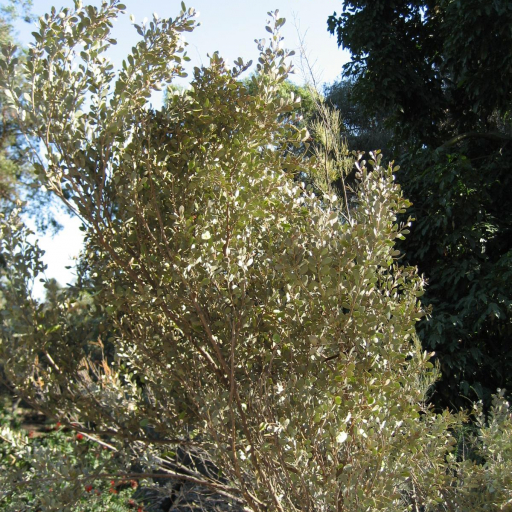
Plant Overview
Known as the Leatherleaf Acacia or "Hop Mulga," this hardy Australian native is a master of desert survival. It is a favorite for xeriscaping because it maintains a lush, evergreen appearance even when water is scarce. With its architectural rounded shape and thick, textured foliage, it brings the rugged beauty of the outback into modern home gardens.
🔍 How to Identify
- 🍃 The "Leather" Leaves: What look like leaves are actually "phyllodes"—flattened stems that are thick, oval, and feel like sturdy, embossed leather to the touch.
- 🌼 Golden Spikes: During late winter and spring, it produces soft, cylindrical yellow flower spikes that resemble tiny, fuzzy caterpillars or miniature bottlebrushes.
- 🎨 Copper Flush: One of its most charming traits is the new growth, which often emerges with a beautiful bronze or coppery tint before maturing into a dusty blue-green.
🏡 In Your Garden
- 🏜️ Thirst for Sunlight: This plant is a true sun-worshipper. It thrives in intense heat and actually prefers a bit of "tough love" once established, making it the perfect candidate for low-maintenance or rock gardens.
- 🧱 Drainage is Key: While it isn't picky about soil nutrients, it absolutely hates "wet feet." It is best planted in well-draining soil or on a slight mound to ensure the roots never sit in stagnant water.
- ✂️ Natural Geometry: Unlike many acacias that become leggy and wild, the Leatherleaf naturally maintains a dense, symmetrical, rounded form. You rarely need to prune it unless you want to create a formal hedge.
⚠️ Safety & Toxicity
- ✅ Pet Friendly: The Leatherleaf Acacia is generally considered non-toxic to dogs, cats, and horses.
- 🌿 Gentle Texture: Unlike some of its thorny Acacia cousins, this variety is relatively smooth. However, the stiff, woody branches can be scratchy, so it's best placed away from narrow walkways where people might brush against it.
✨ Fun Fact
🧬 Botanical Trickery: The "leaves" of this plant are a brilliant evolutionary hack. To prevent water loss in the harsh Australian sun, the plant stopped growing true leaves and instead flattened its leaf stalks (stems) to perform photosynthesis. This creates a much tougher, water-efficient surface!

Detailed Care Instructions
To grow Acacia craspedocarpa, you can follow these steps:
- Obtain seeds or seedlings: Acacia craspedocarpa seeds can be collected from mature pods or purchased from a reputable nursery. Alternatively, you can obtain young seedlings to transplant.
- Prepare the soil: Acacia craspedocarpa prefers well-drained soil with a neutral to slightly acidic pH. It can tolerate a wide range of soil types, including sandy or clayey soils. Loosen the soil and remove any weeds or debris before planting.
- Planting seeds: If you are planting seeds, scarify them by nicking the shell with a knife to improve germination rates. Soak the seeds in warm water overnight to further facilitate germination. Plant the seeds in prepared soil, covering them with a thin layer of soil.
- Planting seedlings: Dig a hole slightly larger than the seedling's root ball. Place the seedling in the hole and backfill gently with soil, ensuring that the top of the root ball is level with the soil surface.
- Watering: Keep the soil evenly moist during the germination and establishment phase. Once the plants are established, they become quite drought-tolerant and can survive with minimal water.
- Sunlight: Acacia craspedocarpa thrives in full sun exposure. Ensure that the plants receive at least 6-8 hours of direct sunlight daily.
- Mulching: Apply a layer of organic mulch, such as wood chips or straw, around the base of the plants. Mulch helps retain moisture, suppress weeds, and regulate soil temperature.
- Pruning: Acacia craspedocarpa generally requires minimal pruning. However, you can shape the plant or remove any dead or damaged branches as necessary.
- Fertilization: Acacia craspedocarpa is typically adapted to nutrient-poor soils, so it generally does not require regular fertilization. If the growth appears stunted or the plant shows signs of nutrient deficiency, you can apply a balanced slow-release fertilizer according to the manufacturer's instructions.
- Protect from pests and diseases: While Acacia craspedocarpa is generally resistant to pests and diseases, occasionally, it can be affected by aphids, caterpillars, or leaf spot diseases. Monitor the plants regularly and take appropriate measures, such as applying insecticidal soap or organic fungicides, as needed.
Remember to consult local guidelines and regulations regarding the cultivation of Acacia craspedocarpa as it may be invasive in some areas.
To water the Acacia Craspedocarpa plant, it is important to have a proper understanding of its watering needs. Here are some guidelines to follow:
- Watering Frequency: Acacia Craspedocarpa prefers a moderately dry environment and does not require frequent watering. Allow the top layer of soil to dry out almost completely between waterings. Overwatering can lead to root rot and other problems.
- Observation: Prior to watering, observe the plant carefully to determine if it needs water. Check the soil moisture level by inserting your finger about an inch deep into the soil. If it feels dry at this depth, it is time to water the plant.
- Water Quantity: When watering, it is important to ensure deep penetration of water into the soil. Thoroughly saturate the soil until water seeps out from the drainage holes. This helps avoid shallow root growth and encourages the roots to establish deeper in the soil.
- Watering Method: Pour water directly into the pot's soil, avoiding the leaves and stem. This helps prevent the development of fungal diseases and encourages the plant to absorb water through the roots.
- Watering Time: Water the Acacia Craspedocarpa plant in the morning, allowing excess moisture on the leaves to dry off during the day. This prevents the growth of fungal infections and diseases that thrive in moist environments.
- Environmental Factors: Adjust the watering frequency according to the environmental conditions. During hot, dry periods, the plant may require more frequent watering. On the other hand, during cooler months or in a humid climate, it may require less water.
Remember, these guidelines are general recommendations, and the watering needs of the Acacia Craspedocarpa may vary depending on factors such as pot size, temperature, and humidity. Regularly monitor the plant's condition and adjust your watering routine accordingly to ensure its optimum health and growth.
To fertilize the Acacia Craspedocarpa plant, use a balanced, slow-release fertilizer with equal proportions of nitrogen, phosphorus, and potassium. Here's a step-by-step guide:
- Choose a fertilizer specifically designed for woody plants or shrubs.
- Dilute the fertilizer according to the manufacturer's instructions. Typically, mix 1 tablespoon of fertilizer per gallon of water.
- Carefully pour the diluted fertilizer around the base of the plant, avoiding contact with the leaves or stems.
- Use enough of the diluted fertilizer to moisten the soil around the plant.
- Water the plant thoroughly after applying the fertilizer.
- Repeat the fertilization process once every 2-3 months during the growing season, usually from spring to early fall.
- Follow the recommended dosage and frequency provided by the fertilizer manufacturer, as excessive fertilization can harm the plant.
Remember to always read and follow the specific instructions on the fertilizer's packaging for optimal fertilization results.
When selecting soil for Acacia craspedocarpa, it is important to consider the natural habitat and growing conditions of the plant. Acacia craspedocarpa is typically found in regions with well-draining soil, such as sandy or loamy soil types. Therefore, it is recommended to use a well-draining soil mix with good moisture retention.
The soil should ideally have a slightly acidic to neutral pH level, ranging from 6.0 to 7.0, to provide optimal growing conditions for the plant. This pH range will support the proper uptake of nutrients and ensure healthy growth.
In terms of texture, a slightly sandy or loamy soil mix is preferable for Acacia craspedocarpa. This type of soil allows for good oxygen circulation while retaining enough moisture for the plant's roots. It should not be excessively compacted or heavy, as this may impede drainage and lead to waterlogged conditions which can be detrimental to the plant.
Additionally, incorporating organic matter, such as compost or well-rotted manure, into the soil mix can enhance its fertility and nutrient content. This can promote better overall plant growth and health.
Overall, the recommended soil for Acacia craspedocarpa should be well-draining, slightly acidic to neutral in pH, and have a slightly sandy or loamy texture. Incorporating organic matter can further enhance the soil's fertility.
Propagation of Acacia craspedocarpa involves several steps:
- Sourcing Seeds: Obtain ripe seeds from a reputable supplier or collect them from mature Acacia craspedocarpa trees. Ensure that the seeds are healthy and free from disease or pest damage.
- Pre-germination Treatment: Some seeds may have a hard seed coat that inhibits germination. To overcome this, scarify the seeds by lightly scratching or nicking the outer seed coat to allow water absorption and promote germination. Alternatively, soak the seeds in hot water for a few minutes before planting.
- Seed Sowing: Fill a seed tray or individual pots with a well-draining potting mix. Plant the scarified or soaked seeds at a depth of approximately 1 cm (0.4 inches). Water the soil gently without waterlogging it.
- Germination Conditions: Place the seed tray or pots in a warm and well-lit area, such as a greenhouse or a sunny window sill. Maintain a consistent temperature of around 20-25°C (68-77°F). Ensure that the soil remains moist but not overly wet during germination.
- Transplanting: Once the seedlings have developed a few sets of leaves and are robust enough to handle, they can be transplanted into individual containers or directly into the ground if the weather conditions are favorable. Use a well-draining potting mix or prepare a planting hole with amended soil in the garden.
- Care: Provide adequate sunlight for healthy growth by placing the plants in a location that receives full sun to partial shade. Regularly water the plants, ensuring the soil remains evenly moist but not waterlogged. Acacia craspedocarpa is tolerant of drought conditions, but younger plants may require more frequent watering.
- Hardening Off: Before permanently planting Acacia craspedocarpa in the garden, gradually acclimate the seedlings to outdoor conditions by exposing them to increasing amounts of sunlight and wind over a period of 1-2 weeks. This step helps the plants adjust and prevents shock from sudden environmental changes.
- Planting Out: Choose a suitable location in the garden with well-draining soil. Dig a hole that is slightly larger and wider than the plant's root ball. Gently remove the plant from its container and place it in the planting hole. Backfill the hole with soil, firming it gently around the roots. Water thoroughly after planting.
- Maintenance: Once established, Acacia craspedocarpa requires minimal care. Regularly monitor for any signs of pests or diseases, such as scale insects or fungal infections, and take appropriate measures to control them. Prune as needed to maintain shape and remove any dead or damaged branches. Mulching around the plant will help conserve moisture and suppress weed growth.
By following these steps, you can propagate Acacia craspedocarpa and enjoy the growth and beauty of this plant.








