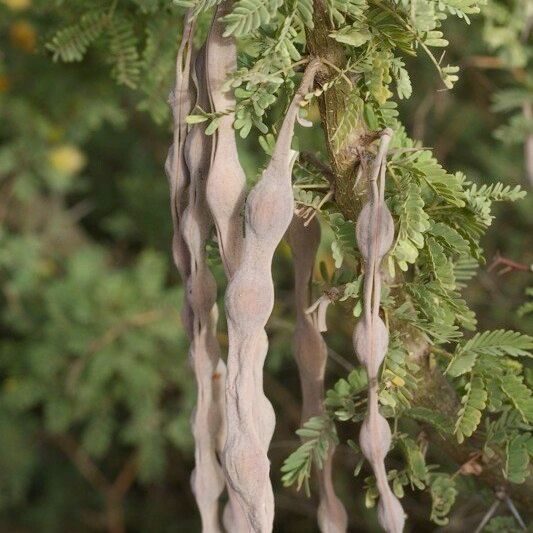
Plant Overview
Often called the Moroccan Acacia, this resilient shrub is a true desert survivor. Native to the arid landscapes of North Africa, it has spent centuries guarding the rocky slopes and plains of the Atlas Mountains. Its name refers to the valuable, sticky gum it produces, which has been harvested by local communities for generations for both practical and medicinal uses.
🔍 How to Identify
- 🌵 The Thorns: It features formidable, paired silvery-white thorns that can reach up to 2 inches long, acting as a "living fortress" against hungry livestock.
- 🌿 The Foliage: Delicate, blue-green compound leaves (bipinnate) provide a soft, feathery appearance that contrasts beautifully with its harsh, woody stems.
- 🟡 The Blooms: During the flowering season, it produces small, golden-yellow "puffball" clusters that provide a vital nectar source for desert pollinators.
🏡 In Your Garden
- ☀️ Sun-Worshiper: This plant doesn't just tolerate heat; it thrives in it. It requires full, unobstructed sunlight to maintain its structural integrity and will become "leggy" or weak if kept in the shade.
- 🪨 Drainage is Vital: Adapted to rocky, sandy Moroccan soils, this Acacia hates "wet feet." It is better to let the soil dry out completely than to risk root rot with frequent watering. It is an excellent choice for xeriscaping or rock gardens.
⚠️ Safety & Toxicity
- 🩹 Physical Hazard: While the plant is not known to be chemically toxic to humans, the thorns are incredibly sharp and can cause deep puncture wounds.
- 🐾 Pet Safety: It is generally considered non-toxic if nibbled, but the thorns represent a significant physical risk to eyes and paws. It should be planted away from areas where pets or children play.
✨ Fun Fact
🍯 The Sticky Secret: The "Gummifera" in its name literally means "gum-bearing." In Moroccan tradition, the resin exuded from the bark was historically used as a powerful natural adhesive and even as a base for traditional inks!

Detailed Care Instructions








