Plant Overview
Known as the Cape Gum or the Devil’s Thorn, Acacia horrida (now technically classified as Vachellia horrida) is a rugged survivor of the African scrubland. Its name "horrida" isn't a comment on its beauty, but a stern warning about its formidable, spear-like thorns. Despite its prickly exterior, it is a vital part of its ecosystem, providing sweet-scented blooms and protective nesting sites for local wildlife.
🔍 How to Identify
- 🌵 The Thorns: The most striking feature is the pair of long, straight, ivory-white spines. These can reach up to 4 inches in length and are strong enough to deter even the hungriest herbivores.
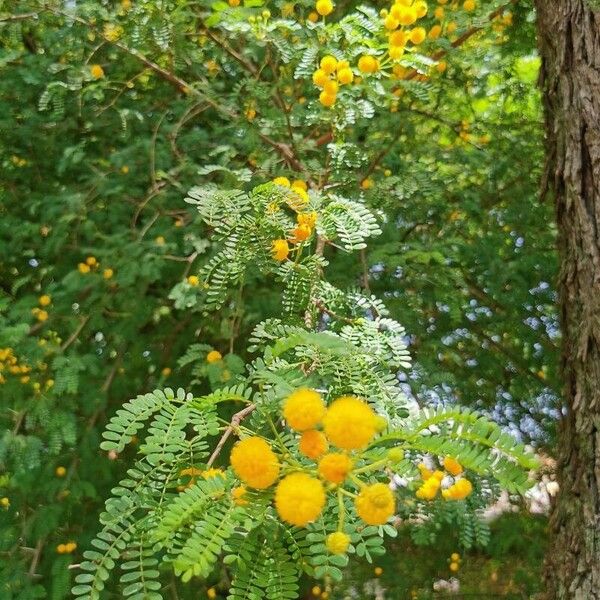
- 🌿 The Foliage: It features delicate, fern-like (bipinnate) leaves that provide a soft, lacy contrast to the harsh, greyish-white thorns.
- 🟡 The Blooms: During the flowering season, the tree is covered in small, bright yellow "puffball" flower heads that release a heavy, honey-like fragrance into the air.
- 🪵 The Bark: As the tree matures, the bark becomes dark, rough, and deeply fissured, giving it a weathered, ancient appearance.
🏡 In Your Garden
- ☀️ Sun Seeker: This plant thrives in full, intense sunlight. It is an excellent choice for xeriscaping or "water-wise" gardens, as it has evolved to survive long periods of drought.
- 🏗️ Deep Roots: It develops a powerful taproot early in its life. This makes it incredibly sturdy against heavy winds, but it also means the plant hates being moved. Once it is in the ground, avoid transplanting it at all costs.
- 🌍 Soil Resilience: It isn't picky about nutrients and can grow in poor, sandy, or even slightly salty soils, provided they are well-draining. It is a "pioneer" species that helps fix nitrogen in the soil.
⚠️ Safety & Toxicity
- ⚔️ Physical Hazard: The primary danger is the thorns. They are sharp enough to puncture bicycle tires or thick leather gloves. Always plant this tree well away from walkways, driveways, or children’s play areas.
- 🐾 Pet Safety: While the plant material is generally not considered highly toxic, the thorns pose a significant risk of eye, paw, or mouth injury to curious dogs and cats.
- 🧤 Pruning Care: Always wear heavy-duty gardening gauntlets when pruning or handling branches to avoid painful punctures.
✨ Fun Fact
In its native habitat, the "Cape Gum" is a favorite nesting spot for many bird species. The dense, thorny branches act like a natural barbed-wire fence, protecting eggs and chicks from climbing predators like snakes and monkeys!

Detailed Care Instructions








