Plant Overview
Known as the Longspine Acacia or the Porknut, this hardy tree is a master of the dry tropical landscape. Native to the Caribbean and Latin America, it is often nicknamed "Steelwood" because of its incredibly dense, heavy timber. In the wild, it forms rugged, umbrella-shaped canopies that provide vital shade in sun-scorched environments, while its dramatic thorns tell the story of a plant built for defense.
🔍 How to Identify
- ⚔️ The Spines: Its most defining feature is the paired, greyish-white thorns found at the base of the leaves. These can grow remarkably long—up to 2 or 3 inches—and are sharp enough to deter almost any grazer.
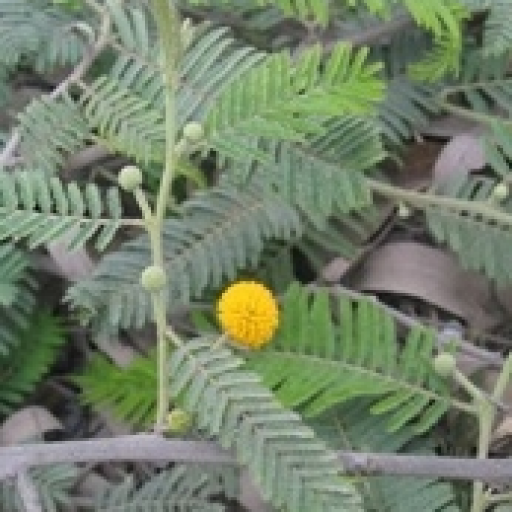
- 🌿 The Foliage: The leaves are "bipinnate," meaning they have a delicate, feathery appearance. This lace-like greenery creates a beautiful contrast against the tree’s rugged, dark-brown bark.
- 🟡 The Blooms: During the flowering season, the tree is covered in bright yellow, spherical "puffball" flowers that emit a soft, sweet fragrance and attract a variety of pollinators.
🏡 In Your Garden
- 🏜️ The Survivor: This plant is an excellent choice for xeriscaping or "dry gardens." Because it has a deep taproot, it hates being moved once established. It prefers to "settle in" and can survive long periods of neglect and drought once its root system is deep in the earth.
- 🛡️ Natural Security: Due to its aggressive thorns, it is often used as a "living fence." If planted as a hedge, it creates an impenetrable barrier that provides excellent security and nesting sites for small birds who are safe from larger predators among the spines.
⚠️ Safety & Toxicity
- 🌵 Physical Hazard: The primary danger is the thorns. They are exceptionally long and rigid; gardening near this tree requires thick leather gloves and eye protection to avoid painful punctures.
- 🐾 Pet Safety: While not famously lethal, most Acacia species contain tannins and other compounds that can cause stomach upset in curious dogs or cats if the pods or leaves are ingested in large quantities.
✨ Fun Fact
In some cultures, the wood of the Acacia macracantha is so highly prized for its density that it was traditionally used to make tool handles, wheel spokes, and high-quality charcoal that burns longer and hotter than almost any other wood!

Detailed Care Instructions
Acacia Macracantha is a plant that requires adequate watering to thrive. To water this plant, you should first check the soil moisture level by inserting your finger into the soil. The soil should feel slightly moist but not waterlogged.
When watering, you should use a watering can or a hose with a gentle flow and aim the water at the base of the plant. Avoid getting the foliage wet, as this can cause fungal diseases.
The frequency of watering will depend on various factors such as the temperature, humidity, and soil type. Generally, you should water the plant when the top inch of soil is dry.
During hot and dry weather conditions, you may need to water the plant more frequently. On the other hand, during cool and humid conditions, you may need to water less often.
To prevent overwatering, ensure that the pot has drainage holes and that excess water is drained away from the plant. It is also recommended to use a well-draining soil mix that allows excess water to drain away quickly.
Overall, Acacia Macracantha is a low maintenance plant that can be easily watered by following these simple guidelines.
For optimal growth and health of this particular plant species, it is recommended to use a well-draining soil mix that is composed of a blend of different organic materials such as peat moss, compost, and vermiculite. The soil should have a slightly acidic pH level between 5.5 and 6.5. In addition, the soil should be rich in nutrients such as nitrogen, phosphorus, and potassium, which are essential for the growth and development of the plant. It is important to avoid using soils that are excessively heavy or clayey, as this can lead to poor drainage and root rot. The soil should also be kept moist but not waterlogged, as overwatering can cause root damage and other issues. Regular fertilization with a balanced plant food can also help to promote healthy growth and flowering.








