Plant Overview
Known as the "Gold of the Desert," the Acacia senegal (now scientifically Senegalia senegal) is a resilient tree that has been prized for millennia. Its most famous contribution is Gum Arabic, a natural sap harvested from its bark that finds its way into everything from high-end watercolors to your favorite soft drinks. This hardy survivor thrives in the harsh, arid landscapes of the Sahel and Sub-Saharan Africa, serving as a vital lifeline for both the local economy and the environment.
🔍 How to Identify
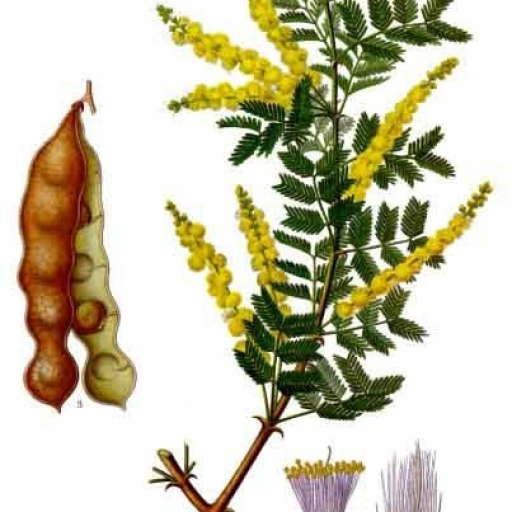
- 🌵 Triple Thorns: One of its most distinct features is the arrangement of thorns at the base of the leaves—they usually grow in threes, with the middle thorn hooked downward and the two side ones pointing upward.
- 🌿 Feathery Foliage: The leaves are "bipinnate," meaning they have a delicate, fern-like appearance that helps the tree conserve moisture in hot climates.
- 🍦 Creamy Blooms: During the flowering season, it produces fragrant, pale-yellow or creamy-white flower spikes that look like soft, fuzzy "bottle brushes" hanging from the branches.
🏡 In Your Garden & Environment
- 🏜️ Drought Champion: This tree is built for neglect; it thrives in sandy, poor-quality soils where other plants would wither, making it a "pioneer species" that helps stop desertification.
- 🧪 Soil Healer: Like many legumes, it is a nitrogen-fixer, meaning it actually improves the quality of the soil it grows in by pulling nitrogen from the air and depositing it into the ground through its roots.
⚠️ Safety & Toxicity
- 🟢 Generally Safe: The gum harvested from this tree is non-toxic and is a common food additive (E414) used globally.
- ⚔️ Physical Hazard: The primary danger lies in its sharp, hooked thorns, which can easily snag skin or clothing.
- 🐾 Pet Safety: While the tree is not known to be toxic to cats or dogs, the thorns can cause puncture wounds if a curious pet tries to chew on the branches.
✨ Fun Fact
If you’ve ever eaten a gummy bear or drank a soda, you've likely consumed Acacia senegal! Its gum is used as a stabilizer to keep sugar from crystallizing and to prevent ingredients from separating in bottled drinks.

Detailed Care Instructions








