Plant Overview
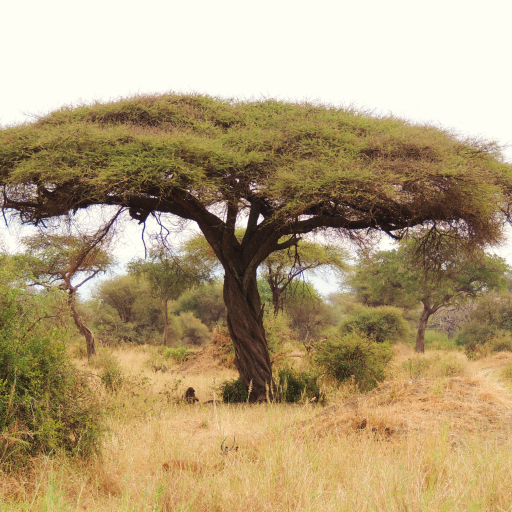
The Acacia tortilis, famously known as the Umbrella Thorn, is the quintessential silhouette of the African savannah. Often referred to as the "Tree of Life" in arid regions, it provides vital shade and sustenance in landscapes where little else survives. Its name comes from its iconic flat-topped canopy and its uniquely spiraled seed pods.
🔍 How to Identify
- ⛱️ Umbrella Canopy: In mature trees, the branches spread wide and flat at the top, creating a distinct parasol shape that shades the trunk and roots.
- ⚔️ Dual Thorns: This tree is famous for having two types of thorns on the same branch: long, straight white thorns and small, curved "wait-a-bit" hooks.
- 🌀 Twisted Pods: Look for the seed pods; unlike the straight pods of many relatives, these are tightly curled and contorted like a corkscrew.
- ☁️ Puffball Flowers: It produces clusters of creamy-white or pale yellow pom-pom shaped flowers that are highly fragrant.
🏡 In Your Garden
- 🏜️ Thirst for Sun: This tree is a true desert dweller. It requires full, unobstructed sunlight and extremely well-draining soil to mimic its native sandy habitat.
- ⚓ Deep Taproots: It develops an incredibly deep taproot to find water. Because of this, it is very difficult to transplant once established and should be planted far away from underground pipes or foundations.
- 🌱 Nitrogen Fixer: As a member of the legume family, it improves the soil around it by "fixing" nitrogen, making it a great companion for restoring poor or sandy earth.
⚠️ Safety & Toxicity
- 🟢 Chemical Status: Non-toxic to humans, dogs, and cats. In its native range, the pods are actually a high-protein snack for livestock and wildlife.
- 🔪 Physical Danger: The primary risk is mechanical injury. The thorns are exceptionally sharp and rigid; they can easily pierce through thin shoes or skin. It should be planted well away from walkways or children's play areas.
✨ Fun Fact
The Umbrella Thorn is one of the most resilient trees on Earth. The famous "Tree of Ténéré," which was once the most isolated tree in the world (with no other tree for 250 miles in the Sahara Desert), was an Acacia tortilis. It survived for decades by sending its roots over 30 meters (100 feet) deep to reach the water table.

Detailed Care Instructions
To grow an Acacia tortilis plant, also known as the umbrella thorn acacia, follow these steps:
- Obtain Seeds: Start by acquiring seeds from a reputable source. Acacia tortilis seeds are often available online or you can collect them from an existing tree if accessible.
- Prepare the Growing Medium: Acacia tortilis prefers well-draining soil. Mix equal parts of sand, potting soil, and perlite to create a suitable growing medium. Fill a pot or seedling tray with this mixture.
- Soak Seeds: Soak the seeds in warm water for 24 hours. This will help in softening the seed coat.
- Sow the Seeds: Place the soaked seeds about an inch deep into the prepared potting mix. Water gently to moisten the soil.
- Provide Ideal Conditions: Acacia tortilis requires warm temperatures and plenty of sunlight to germinate. Place the pot in a bright location, preferably with temperatures between 75-85°F (24-29°C).
- Watering and Moisture: Keep the soil consistently moist but not waterlogged. Water the seeds lightly whenever the top inch of the soil feels dry. Be careful not to overwater, as this can lead to rotting.
- Germination: Germination may take anywhere from 2-6 weeks. Once the seedlings emerge, reduce the watering frequency slightly. Maintain a slightly moist but not saturated soil.
- Transplanting: When the seedlings have grown a few inches tall and have developed a few sets of leaves, they can be transplanted into larger pots or directly into the ground. Choose a sunny location with well-draining soil for planting.
- Care and Maintenance: Water the plants regularly, especially during the initial stages of growth, to help establish their root system. Prune any dead or damaged branches, and provide support if necessary.
- Protect from Extreme Conditions: Acacia tortilis is a hardy plant, but young seedlings may need protection from frost and extreme cold. Cover them or bring them indoors during harsh weather conditions.
- Patience: Acacia tortilis is a slow-growing tree, and it may take several years for it to reach maturity. Proper care and patience are essential for the long-term growth and development of the plant.
Remember to check with your local authorities or agricultural extension office to ensure Acacia tortilis is suitable for cultivation in your region and follow any guidelines specific to your area.
The best way to water this plant is to wait until the top inch of soil is dry before giving it a deep watering. Avoid watering the leaves and flowers, as this may cause damage or disease. Instead, aim the water directly at the base of the plant, allowing it to soak into the root zone. During hot or dry periods, it may be necessary to water more frequently. Be sure to provide good drainage and avoid overwatering, as this may cause root rot. Additionally, it is recommended to use room temperature water and avoid cold water straight from the tap, as this may shock the roots.
To provide proper fertilization for this plant, make sure to use a balanced fertilizer with equal amounts of nitrogen, phosphorus, and potassium. Apply the fertilizer evenly around the base of the plant during its active growing season, which is usually early spring to late fall. Limit the amount of fertilizer you use to avoid over-fertilization, as excess nutrients can damage the plant. It's also important to water the plant deeply after fertilizing to help distribute the nutrients to the roots.
The ideal soil for Acacia Tortilis plants is characterized by good drainage and moderate fertility. It should also have a slightly acidic to neutral pH level. This plant can grow in a variety of soil types, including sandy, loamy, and well-draining soils. It is important to ensure that the soil is well-draining as this plant cannot tolerate waterlogged soils. Additionally, the soil should not be too rich in nutrients as this can lead to excessive growth and reduced resistance to pests and diseases. A moderate level of organic matter is recommended, and adding compost or well-rotted manure to the soil can be beneficial. Overall, the key is to provide well-drained, slightly acidic soil that is not too rich in nutrients.
Acacia Tortilis plant can be propagated through seeds or cuttings.
Propagation through seeds requires the collection of fresh seeds from the plant when they are ripe. These seeds can be sown in well-draining soil, covering them lightly with soil and keeping them moist until they germinate.
Propagation through cuttings can be done by taking semi-hardwood cuttings from the plant in the summer. These cuttings should be around 15-20 cm in length, with a few leaves at the top. Remove the lower leaves and dip the cut end in rooting hormone before planting it in well-draining soil. Keep the soil moist and in a cool, shaded area until the cutting has rooted.
After the plant has established roots, it can be transplanted to a larger pot or into the ground. It's important to ensure that the new plant is given adequate water and sunlight to encourage healthy growth.








