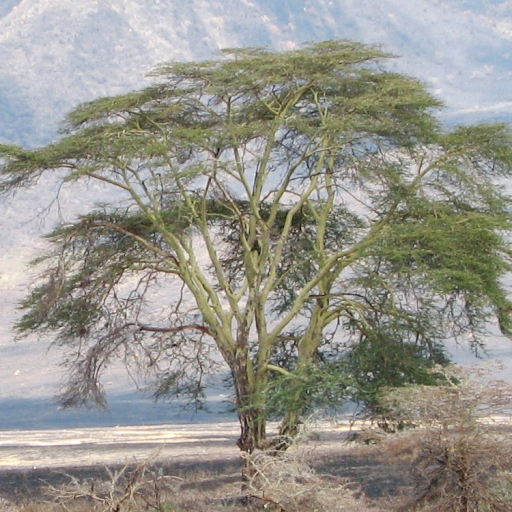
Plant Overview
Known globally as the Fever Tree, this striking African icon is famous for its glowing, lime-yellow bark that seems to radiate light even on cloudy days. Historically, early European explorers mistakenly believed the tree itself emitted "malarial vapors" because it thrives in the swampy lowlands where mosquitoes congregate. Today, it is celebrated as a fast-growing ornamental masterpiece and a vital sanctuary for weaver birds and African wildlife.
🔍 How to Identify
- 🟡 The Bark: Its most distinctive feature is the smooth, powdery, neon-yellow to greenish-yellow bark that can be rubbed off with a finger.
- 🌿 The Foliage: Delicate, feathery, light-green leaves (bipinnate) provide a soft, dappled shade rather than deep darkness.
- ⚔️ The Thorns: Long, straight, white spines grow in pairs at the base of the leaves, often reaching up to 3 inches in length.
- 🌼 The Flowers: In late winter or spring, it produces sweet-scented, golden-yellow "pom-pom" flower clusters that attract a variety of pollinators.
🏡 In Your Garden
- 💧 The "Water" Acacia: Unlike many of its desert-dwelling cousins, the Fever Tree loves "wet feet." It is naturally found near rivers and swamps, making it one of the few acacias that can handle (and thrives in) poorly drained or heavy clay soils.
- 🚀 Rapid Growth: This is an exceptionally fast grower, often gaining several feet in a single year. Because of its aggressive root system and brittle wood, it should be planted far away from foundations, swimming pools, or underground pipes.
- 🦒 Wildlife Magnet: If you have the space, this tree acts as a high-rise hotel for nature. Its thorny branches provide safe nesting sites for birds, while the gum and flowers provide food for butterflies and primates.
⚠️ Safety & Toxicity
- 🟢 Status: Generally non-toxic to humans and pets, but requires caution due to physical structure.
- 🌵 Physical Hazard: The primary danger lies in the thorns. They are incredibly sharp and can easily pierce through thin shoes or skin. Avoid planting this tree near walkways or play areas where children and dogs might run into it.
- 🧴 Sap Irritation: While not common, some individuals may experience mild skin irritation from the powdery coating on the bark or the sap if handled excessively.
✨ Fun Fact
The Fever Tree was immortalized by Rudyard Kipling in The Elephant's Child, where he described the "great grey-green, greasy Limpopo River, all set about with fever-trees." Scientists now know the bark contains high amounts of chlorophyll, allowing the tree to continue photosynthesizing through its trunk even during dry spells when it loses its leaves!

Detailed Care Instructions
To grow Acacia xanthophloea (commonly known as Fever Tree), follow these steps:
- Obtain seeds or seedlings: You can purchase seeds or seedlings from a local nursery or online. Select healthy, viable seeds or robust seedlings.
- Soil preparation: Acacia xanthophloea prefers sandy or loamy soil that is well-drained. Prepare the soil by removing any weeds or grasses and loosen it to allow for proper root development. Adding organic matter, such as compost, can improve soil fertility and drainage.
- Planting seeds: If starting from seeds, soak them in warm water for 24 hours to help break their outer coating and improve germination. Plant the seeds in seedling trays or pots filled with a well-draining potting mix. Cover the seeds with a thin layer of soil, and keep the soil moist until the seeds germinate.
- Planting seedlings: If starting with seedlings, dig a hole in the prepared soil that is deep and wide enough to accommodate the root ball of the seedling. Place the seedling in the hole and fill it with soil, gently firming it around the base of the plant.
- Watering: Acacia xanthophloea requires regular watering, especially during its initial growth stages. However, it is important not to overwater it, as this can lead to root rot. Water the plant deeply but infrequently, allowing the top few inches of soil to dry out between waterings.
- Sunlight requirements: Acacia xanthophloea thrives in full sun exposure, so ensure it receives at least six hours of direct sunlight each day.
- Pruning: Periodic pruning can help shape the tree and maintain its health. Remove any dead or damaged branches and thin out overcrowded areas.
- Fertilization: While Acacia xanthophloea generally doesn't require much fertilization, you can provide a slow-release, balanced fertilizer during the growing season to promote healthy growth. Follow the manufacturer's instructions for application rates.
- Mulching: Apply a layer of organic mulch, such as wood chips or straw, around the base of the tree. This helps retain moisture, suppresses weeds, and protects the roots from extreme temperatures.
- Protection from frost: If you live in an area prone to frost, protect young Acacia xanthophloea trees by covering them with a frost cloth or bringing them indoors during cold spells.
Remember that growing a healthy Acacia xanthophloea can take time and patience. Be sure to monitor the plant's progress, provide appropriate care, and seek additional guidance or professional help if needed.
To properly water this plant, you should place the pot on a saucer filled with water to allow it to soak up the water from the bottom. Alternatively, you may water it directly into the soil, being careful not to waterlog the plant. Water the plant moderately, enough to keep the soil slightly moist but not waterlogged. Avoid letting the soil completely dry out between waterings. During the winter months, reduce watering to help prevent waterlogging and root rot.
To fertilize this plant, use a slow-release fertilizer that is high in phosphorus and potassium. Apply the fertilizer twice a year, once in the early spring and once in the late summer. Use a balanced NPK fertilizer of 10-10-10, but make sure it is water-soluble to avoid burning the plant roots. Spread the fertilizer evenly around the base of the plant, then water it thoroughly to help it absorb. Avoid applying fertilizer too close to the trunk of the plant to prevent damage.
Acacia Xanthophloea is a plant that thrives in well-draining soil. The ideal soil for this plant should be rich in nutrients and have a pH balance of 6-7. The soil should be a mix of loam, sand, and clay, with good drainage capacity to prevent waterlogging. You can add organic matter like compost or manure to the soil to improve its nutrient content.
When choosing soil for Acacia Xanthophloea, avoid heavy clay soils or soils that are too sandy, as they may lead to poor drainage or have low nutrient levels. Additionally, this plant prefers a slightly acidic to neutral pH, so avoid using soils that are highly alkaline.
Overall, when selecting soil for Acacia Xanthophloea, aim for a well-draining, nutrient-rich soil with a slightly acidic to neutral pH balance. This will help ensure the plant thrives and grows healthy and strong.
Acacia Xanthophloea is a plant that can be propagated through several methods including seeds, cuttings, and grafting.
Seed propagation involves collecting seeds from a mature Acacia Xanthophloea plant and planting them in well-draining soil. The seeds should be planted at a depth of 2-3 times their length and kept moist until they germinate. Seedlings can then be transplanted into individual pots or directly into the ground.
Cutting propagation involves taking a stem cutting from a mature Acacia Xanthophloea plant and planting it in a well-draining soil mix. The cutting should be taken from a healthy stem and should be at least 6 inches long. The leaves on the lower half of the cutting should be removed, and the cutting should be dipped in rooting hormone before planting. The cutting should be kept moist but not overly wet until roots have developed and the plant is established.
Grafting propagation involves taking a section of a mature Acacia Xanthophloea plant and grafting it onto a compatible rootstock. This method is more advanced and is often used in commercial production.
Overall, Acacia Xanthophloea is a hardy plant that can be propagated through several methods with a high rate of success.








