Plant Overview
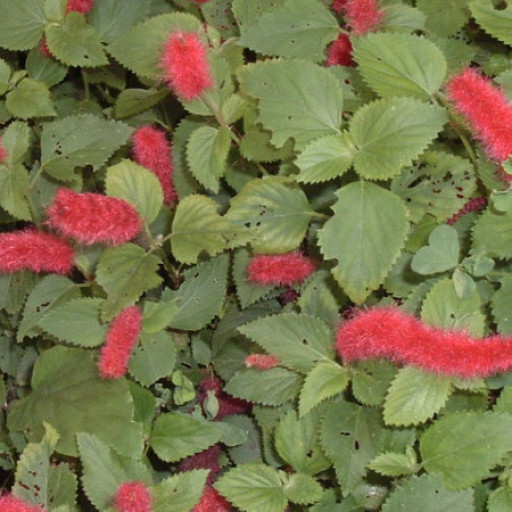
Often called the Red Cat’s Tail or Bastard Copperleaf, Acalypha chamaedrifolia is a charming, low-growing tropical treasure. While its larger cousins grow into massive shrubs, this petite version acts as a lush, green carpet topped with fuzzy, crimson "caterpillars." It is a staple for gardeners who want high-impact texture and a touch of whimsy in smaller spaces or hanging containers.
🔍 How to Identify
- 🧶 The "Tails": Its most famous feature is the bright red, fuzzy flower spikes (catkins) that dangle from the stems, looking remarkably like soft chenille yarn or a kitten's tail.
- 🍃 Leaf Shape: Small, oval-to-heart-shaped leaves with distinctively serrated (toothed) edges and a rich, deep green color.
- 🌱 Growth Habit: It is a prostrate or trailing plant, rarely exceeding 6–10 inches in height, but it loves to spread horizontally to create a dense mat.
🏡 In Your Garden
- 💧 Thirst for Humidity: This Caribbean native craves moisture and high humidity; if the air becomes too dry, the plant may drop its colorful "tails" or become a magnet for spider mites.
- 🪴 The Hanging Basket Star: Because of its trailing nature, it is most effectively grown in hanging baskets or raised planters where the red spikes can cascade over the edges.
- ✂️ Encouraging Blooms: To keep the plant looking full and "plump," regular pinching of the stem tips is necessary. This prevents the plant from becoming leggy and stimulates the growth of more fiery red catkins.
⚠️ Safety & Toxicity
- 🐾 Toxic to Pets: This plant is considered mildly toxic to cats, dogs, and horses. If ingested, it can cause digestive upset, drooling, or vomiting.
- 🧤 Sap Sensitivity: Like many members of the Euphorbiaceae (Spurge) family, it contains a milky sap that can cause skin irritation or dermatitis. It is best to wear gloves when pruning or taking cuttings.
✨ Fun Fact
Despite their soft, furry appearance, those red "tails" are actually clusters of hundreds of tiny, petal-less female flowers! They evolved this way to maximize their surface area for catching pollen traveling through the tropical breeze.

Detailed Care Instructions
To grow Acalypha chamaedrifolia, also known as the Foxtail acalypha or Chenille plant, you can follow these steps:
- Climate: Ensure that you are in a region where the temperature does not drop below 50°F (10°C). This plant prefers warm tropical to subtropical climates.
- Light: Place the plant in a location that receives bright, indirect sunlight. Avoid direct sunlight as it can scorch the leaves.
- Soil: Acalypha chamaedrifolia prefers well-draining soil that is rich in organic matter. Use a mix of potting soil, perlite, and compost to provide a suitable growing medium.
- Watering: Keep the soil evenly moist but not waterlogged. Water the plant when the top inch of soil feels dry. Avoid overwatering, as it can lead to root rot.
- Fertilizer: Feed the plant with a balanced liquid fertilizer every 4-6 weeks during the growing season (spring and summer). Follow the instructions on the fertilizer packaging for proper dosage.
- Pruning: Regularly pinch back the stem tips to promote bushier growth. Pruning will also help control the size of the plant.
- Propagation: Acalypha chamaedrifolia can be propagated by stem cuttings. Take 4-6 inch long cuttings from healthy, mature stems and remove the lower leaves. Place the cuttings in a well-draining soil mix and keep them moist until roots develop.
- Pests: Monitor the plant for common pests such as aphids, mealybugs, and spider mites. If infested, treat with an appropriate insecticidal soap or spray.
Remember to research and adhere to any local regulations or restrictions before growing Acalypha chamaedrifolia, as it may be considered invasive in some areas.

Place in a bright room that is sun drenched almost all day. Or directly in a south-facing window.

To water this plant, it is important to observe the soil moisture level. Stick your finger about an inch into the soil, and if it feels dry, it is time to water. When watering, use room temperature water and pour it slowly at the base of the plant. Avoid getting water on the leaves as this can lead to mold and fungal growth. Allow the soil to drain excess water proficiently. It is better to water this plant less frequently but more thoroughly, rather than watering it frequently with small amounts of water. Also, avoid letting the plant sit in a pool of water as it can cause root rot.
To fertilize this plant, use a balanced fertilizer with equal amounts of nitrogen, phosphorus, and potassium. Use a slow-release granular or liquid fertilizer applied directly to the soil every two weeks during the growing season. Avoid over-fertilizing, as this can lead to leaf burn and stunted growth. Water the plant after fertilizing to help distribute the nutrients evenly throughout the soil.
Acalypha Chamaedrifolia plant prefers well-drained soil that is rich in organic matter. The ideal pH range for the soil is 6.0 to 7.5. It is best to avoid heavy, clay soils that retain water for longer periods of time. Instead, a sandy loam soil that is well-aerated and allows for good drainage is recommended. Adding organic matter, such as compost or aged manure, can help improve soil structure and provide nutrients for the plant. Additionally, it is important to ensure that the soil is not too compacted, as this can limit root growth and overall plant health.
To propagate this plant, you will need to take stem cuttings. Select a healthy stem that is about 4-6 inches long and has several leaves on it. You can use a sharp, sterilized knife or scissors to make a clean cut just below a node (where the leaves meet the stem).
Remove the lower leaves on the stem, leaving only a few at the top. Dip the cut end of the stem into a rooting hormone powder to encourage rooting. Plant the stem cutting into a well-draining potting mix, making sure the bottom node of the stem is just below the soil surface.
Water the cutting immediately after planting and keep the soil consistently moist but not overly wet. Place the pot in a bright but indirect light location and keep the temperature consistently warm (around 70-75°F) to encourage rooting.
Once new growth appears, continue to care for the plant as you would an established Acalypha Chamaedrifolia plant, applying fertilizer every 2-3 weeks during the growing season and providing regular water.
Common pests of the bastard copperleaf include Mealybugs, spider mites. Make a habit of checking your bastard copperleaf frequently for pests so that any infestations can be caught and managed early.








