Plant Overview
Known as the Chiapas Triangle Cactus, this striking species is a architectural wonder native to the tropical dry forests of Southern Mexico. Often found scrambling over limestone rocks or leaning into the canopy of shrubs, it is a master of adaptation. While its thorny exterior looks formidable, it hides a romantic secret: massive, fragrant white blossoms that reveal themselves only to the moon and the creatures of the night.
🔍 How to Identify
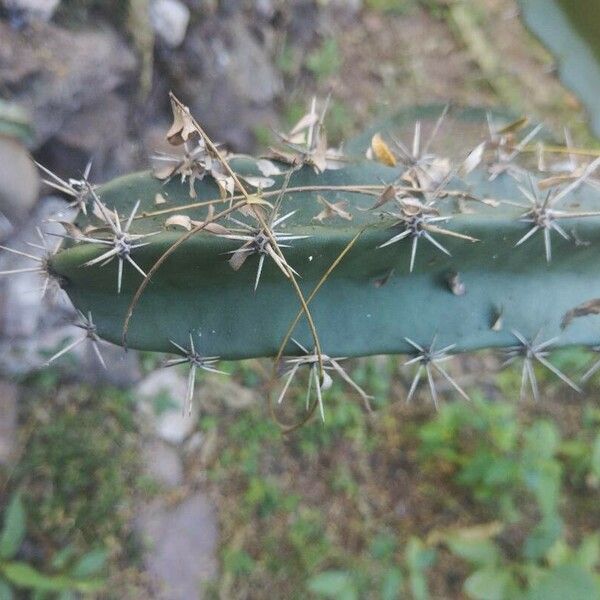
- 📐 Geometric Stems: Deeply ribbed stems, usually featuring 3 or 4 sharp angles, giving the plant a distinct triangular cross-section.
- 🌵 Spine Clusters: Areoles (the fuzzy spots) are spaced along the ridges, each hosting a cluster of stiff, needle-like spines that range from grey to dark brown.
- 🌸 Grand Nocturnal Flowers: Spectacular trumpet-shaped white flowers that can reach up to 8 inches in length, blooming for only one night to attract nocturnal pollinators.
🏡 In Your Garden
- 🧗 A Natural Scrambler: Because this cactus likes to "climb" in the wild, it performs best in a garden when provided with a sturdy trellis or allowed to lean against a stone wall. It isn't a self-clinger, so it may need light ties to guide its upward growth.
- ☀️ Tropical Temperament: Unlike desert cacti that crave baking heat, Acanthocereus chiapensis prefers "bright-indirect" light or dappled sun, mimicking the filtered light of its native forest home. It is sensitive to hard frosts, so keep it in a pot if you live in a cold climate.
⚠️ Safety & Toxicity
- ⚔️ Physical Hazard: The primary risk is mechanical. The spines are sharp and can easily puncture skin or hitch a ride on clothing. Use thick leather gloves when handling.
- 🐾 Pet & Child Safety: It is generally considered non-toxic if a small piece is accidentally ingested, but the spines pose a significant choking and injury risk to curious pets and toddlers.
✨ Fun Fact
The Chiapas Triangle Cactus is a "Bat Plant." Its flowers produce a heavy, musky-sweet scent specifically designed to attract nectar-feeding bats, which act as its primary pollinators in the Mexican wilderness!

Detailed Care Instructions







