Plant Overview
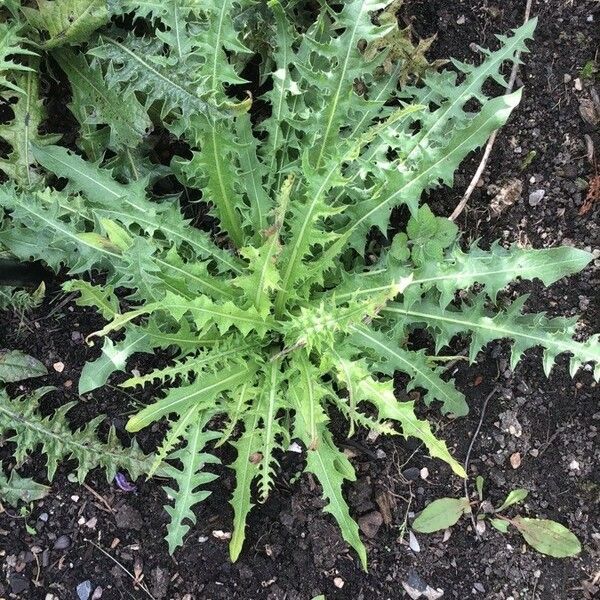
Known as the "Hairy Bear's Breeches," Acanthus hirsutus is the rugged, textured cousin of the famous architectural plants that inspired ancient Greek art. While most Acanthus species are prized for their glossy, smooth leaves, this variety stands out with its dense, velvety coating of fine hairs that give it a silver-green, frosted appearance. It is a Mediterranean native that brings a sense of antiquity and untamed beauty to any dry garden or rockery.
🔍 How to Identify
- 🌿 The Foliage: The leaves are deeply lobed and serrated, but unlike its cousins, they are covered in a soft, "hirsute" (hairy) down that makes the plant feel fuzzy to the touch.
- 🍦 The Flowers: It produces tall, rigid spikes of creamy-white or pale yellow flowers. Each bloom is tucked under a sharp, greenish-purple bract, creating a "hooded" look.
- 📏 Growth Habit: This is a clump-forming perennial that stays lower to the ground than other varieties, making it look like a textured, silver-green mound until the flower stalks shoot upward.
🏡 In Your Garden
- 🧱 The Taproot Rule: Once you plant Acanthus hirsutus, make sure you love where it is. It develops a massive, deep taproot that makes it nearly impossible to transplant; even a tiny piece of root left behind will sprout a new plant.
- ☀️ Drought Warrior: Because of its hairy leaves (which help trap moisture) and its Mediterranean origins, it is exceptionally drought-tolerant. It thrives in poor, well-drained soil where other lush plants might wilt.
- 🌬️ Airflow is Key: While it is tough, the "hairy" nature of the leaves means they can trap moisture in humid climates, leading to powdery mildew. Give it plenty of space for breezes to pass through.
⚠️ Safety & Toxicity
- 🛡️ Status: Generally non-toxic to humans and pets, but "physically" defensive.
- 🌵 The Prickle Factor: The flower bracts and leaf tips can be quite sharp and spiny. While not poisonous, the plant can cause painful scratches to curious pets or toddlers, so it is best placed away from the very edge of a walkway.
✨ Fun Fact
The genus name Acanthus comes from the Greek word "akantha," meaning thorn. Legend has it that the sculptor Callimachus was inspired to design the ornate "Corinthian" column tops after seeing an Acanthus plant growing through a funeral basket left on a grave!

Detailed Care Instructions
To grow Acanthus Hirsutus, also known as bear's breeches, follow these steps:
- Choose a suitable location: Acanthus Hirsutus thrives in full sun or partially shaded areas. Ensure that the soil is well-draining and rich in organic matter.
- Prepare the soil: Before planting, loosen the soil with a garden fork or tiller. Incorporate compost or well-rotted manure to improve soil fertility and drainage.
- Sow seeds or plant seedlings: If you have acanthus hirsutus seeds, you can sow them directly into the prepared soil in late winter or early spring. Alternatively, you can purchase seedlings from a nursery and transplant them into the garden.
- Sow seeds: If planting seeds, sow them at a depth of ¼ inch in rows spaced about 12 inches apart. Cover the seeds with a thin layer of soil and keep them consistently moist until germination occurs (usually within 2-4 weeks).
- Transplant seedlings: If using seedlings, dig a hole that is slightly wider and deeper than the root ball of the seedling. Place the seedling into the hole and backfill with soil, gently firming it around the base. Water thoroughly after transplanting.
- Watering: Keep the soil consistently moist but not waterlogged. Acanthus Hirsutus prefers regular watering, especially during dry spells or in hot weather.
- Mulching: Apply a layer of organic mulch around the plant to help retain moisture and suppress weed growth. Avoid mulching directly against the stem to prevent rotting.
- Pruning: Acanthus Hirsutus does not usually require pruning, but you can trim back any dead or damaged leaves in late winter or early spring to maintain the plant's appearance.
- Fertilizing: Apply a balanced, slow-release fertilizer in spring to provide the plant with necessary nutrients. Follow the package instructions for application rates.
- Pests and diseases: Monitor the plant regularly for pests like slugs, snails, and aphids. Treat infestations promptly using organic or chemical controls if necessary. Acanthus Hirsutus is generally resistant to diseases.
- Propagation: Acanthus Hirsutus can be propagated through division. In early spring or late autumn, dig up the plant and carefully divide the clumps, ensuring each division has healthy roots and shoots. Replant the divisions in prepared soil.
By following these steps, you can successfully grow Acanthus Hirsutus and enjoy its beautiful foliage and unique flowers.
To water this particular plant, it is important to first understand its unique watering needs. Acanthus Hirsutus prefers to be watered consistently, but not excessively. This means that the soil should always remain slightly moist, but never waterlogged or overly dry.
One way to achieve this is by watering the plant deeply once or twice a week, depending on the climate and the season. This will allow the water to penetrate deep into the soil, reaching the roots of the plant and providing vital hydration. It may also be helpful to mulch around the plant, as this can help regulate soil moisture levels and reduce evaporation.
When watering Acanthus Hirsutus, it is important to avoid getting water on the leaves or flowers, as this can lead to fungal diseases and rot. Instead, aim the water directly at the soil, and avoid overwatering to prevent root rot.
In summary, to water Acanthus Hirsutus:
- Water deeply once or twice a week, depending on climate and season
- Avoid getting water on leaves or flowers
- Mulch around plant to regulate soil moisture levels
- Do not overwater to prevent root rot.
To fertilize this plant, use a balanced, slow-release fertilizer in the early spring and repeat every 4-6 weeks until midsummer. Use a granular or liquid fertilizer with equal parts nitrogen, phosphorus, and potassium. Apply the fertilizer around the base of the plant and water thoroughly after application. Avoid fertilizing in late summer and fall as this can encourage new growth that may not be hardened off before winter.
The ideal soil for Acanthus Hirsutus plant should be well-draining, moist, and rich in organic matter. It should have a neutral to slightly acidic pH level of 6.5 to 7.5. The soil should be able to retain moisture without allowing water to sit and become waterlogged. Acanthus Hirsutus plants prefer loamy soil that is made up of equal parts of sand, silt, and clay. The soil should be loose, so it can provide air circulation and allow water to flow through easily. It is best to amend the soil with compost or other organic matter to add nutrients and improve the soil's structure. Additionally, the soil should be fertile with adequate levels of nitrogen, phosphorus, and potassium to promote healthy plant growth.
To propagate this plant, you will need to take a stem cutting from a healthy plant during the growing season. Using a sharp, clean pair of scissors or shears, cut a stem that is about 4-6 inches long and has several leaves on it. Remove the lower leaves from the stem, leaving only a few at the top.
Fill a small pot with a well-draining potting mix and make a hole in the center using your finger or a pencil. Dip the cut end of the stem in rooting hormone powder and then insert it into the hole in the potting mix. Firmly press the soil around the stem to ensure it is stable.
Water the cutting thoroughly and cover the pot with a plastic bag or a clear plastic dome to create a humid environment around the plant. Place the pot in a warm, bright location avoiding direct sunlight.
Check the cutting regularly and water it as needed to keep the soil moist. After a few weeks, the plant should start to produce new growth from the top of the stem, which indicates that roots have formed and it's becoming established in the pot.
Once the plant is well-rooted and established, it can be transplanted into a larger pot or planted directly into the garden.








