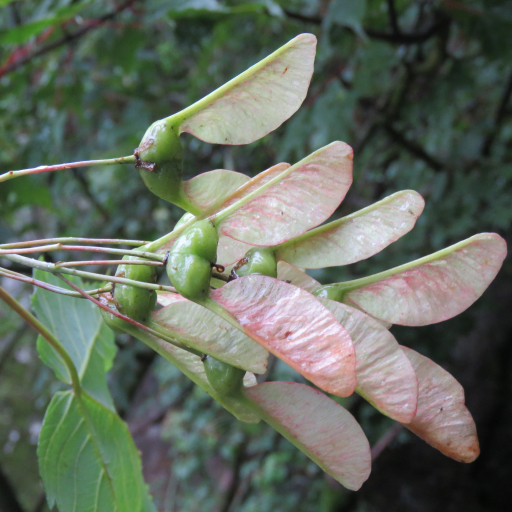
Plant Overview
Known as the Tapered Maple, this high-altitude beauty originates from the misty slopes of the Himalayas, stretching from Pakistan to Central China. Often found tucked into shaded ravines and mountain valleys, it is a choice specimen for collectors who appreciate "wild" maples that haven't been over-hybridized. It brings a touch of cool mountain air and elegant, sharp-edged geometry to any temperate landscape.
🔍 How to Identify
- 🍃 Pointed Foliage: The leaves are famously "acuminate," meaning they end in long, tapering tips. They typically feature three distinct lobes with sharply saw-toothed edges.
- 🌳 Growth Habit: It usually grows as a large deciduous shrub or a small, multi-stemmed tree, rarely exceeding 10 meters in height.
- 🎨 Autumn Transition: While summer leaves are a crisp green, they transform into striking shades of yellow and orange as the temperatures drop.
🏡 In Your Garden
- 🏔️ Mountain Roots: Because it hails from high altitudes, this maple craves cool, moist air. It is not a fan of "hot feet" or sweltering humidity; it performs best in regions with mild summers and dappled sunlight.
- 💧 Thirsty Tendencies: Unlike some drought-tolerant trees, Acer acuminatum has a shallow root system that dislikes drying out. It prefers rich, loamy soil that stays consistently moist but never waterlogged.
- 🛡️ Wind Protection: Its delicate, pointed leaves can suffer from "leaf scorch" if exposed to harsh, drying winds, so planting it near a north-facing wall or larger evergreen screen is ideal.
⚠️ Safety & Toxicity
- ✅ General Safety: This plant is considered non-toxic to humans and common household pets like cats and dogs.
- 🐴 Equine Caution: While specifically Acer rubrum is the primary concern for horses, it is generally recommended to keep horses away from the wilted leaves of any maple species to avoid potential digestive or blood issues.
✨ Fun Fact
In its native Himalayan habitat, the wood of the Tapered Maple is highly prized for making traditional wooden ladles and small household utensils because the grain is fine, sturdy, and easy to carve.

Detailed Care Instructions
To grow Acer acuminatum (Mountain Maple), you can follow these steps:
- Select a suitable location: Choose a spot where the plant will receive partial shade to full sun. It should have well-draining soil with a slightly acidic to neutral pH.
- Prepare the soil: Prior to planting, dig a hole that is twice the size of the plant's root ball. Mix organic matter, such as compost or well-rotted manure, into the soil to improve fertility and drainage.
- Planting: Place the Acer acuminatum in the prepared hole, making sure that the top of the root ball is level with the soil surface. Backfill the hole with soil, firming it gently around the plant. Water thoroughly after planting.
- Watering: Regular watering is essential during the first year to establish the plant. Keep the soil evenly moist but not waterlogged. After the first year, water during prolonged dry periods or when the plant shows signs of stress.
- Mulching: Apply a layer of organic mulch around the base of the plant to help retain moisture, suppress weeds, and regulate soil temperature.
- Fertilizing: Acer acuminatum generally does not require much fertilization. However, you can apply a balanced slow-release fertilizer in spring to provide some nutrients. Follow the manufacturer's instructions for the appropriate amounts to apply.
- Pruning: Minimal pruning is needed for Acer acuminatum. Remove any dead, damaged, or diseased branches as necessary. You can also lightly shape the plant to maintain its desired form.
- Pests and diseases: Acer acuminatum is relatively resistant to pests and diseases. However, keep an eye out for common issues like aphids, scale insects, powdery mildew, or leaf spot. Treat accordingly if any pests or diseases are detected.
- Winter protection: In colder regions, protect the plant during winter by mulching around the base and wrapping the trunk with burlap to prevent frost damage.
- Ongoing care: Regularly monitor the plant's health, and address any issues promptly. Keep the area around the plant weed-free and monitor for any signs of stress or nutrient deficiencies.
By following these guidelines, you can successfully grow Acer acuminatum and enjoy its beautiful foliage throughout the seasons.
The best method to water Acer Acuminatum plant is to do it regularly but not too frequently. The plant prefers moist but well-drained soil, so you should ensure that the soil is not too soggy or dry before watering it. You can water the plant gently from above or place it in a saucer or tray with water and allow it to soak up for some time. It would help if you watered the plant more often during the summer months and less frequently during the winter or cooler months. You can also mist the leaves of the plant occasionally to keep it moist. In general, you should avoid overwatering the plant as this can lead to root rot and other fungal diseases.
To fertilize this plant, use a balanced fertilizer that contains equal parts of nitrogen, phosphorus, and potassium. Apply the fertilizer in early spring before new growth appears and again in mid-summer. Use a slow-release fertilizer to avoid over-fertilization and burn the roots. Water the plant before and after fertilization to help the soil absorb the nutrients. Avoid fertilizing during the fall as it may encourage new growth that may not have enough time to harden off before winter.
The Acer Acuminatum plant prefers moist, well-draining soil that is rich in organic matter. A slightly acidic soil with a pH between 4.5 and 6.5 is ideal for this plant. Heavy clay soils should be amended with sand and organic matter to improve drainage. A soil mix containing equal parts of peat moss, sand, and loamy soil is suitable for transplanting young plants. Mulching with organic matter such as shredded leaves or bark will help retain soil moisture and keep the soil cool. Avoid using fertilizers that are high in nitrogen, as this can lead to excessive top growth at the expense of root development. Instead, use a balanced fertilizer or one that is high in phosphorus. Regular watering is necessary to maintain soil moisture levels, especially during the plant's growing season.
To propagate this plant, first collect mature seeds in the fall. Soak the seeds in water for 24 hours to help break down the seed coat. Plant the seeds in a well-draining soil mix in a container, ensuring they are at a depth of 1-2 times the size of the seed. Keep the soil evenly moist and in a location with indirect sunlight. When the seedlings are large enough to handle, transplant them into individual containers with a suitable potting mix. Alternatively, propagate by taking stem cuttings from the plant in late spring or early summer. Cut several inches of stem growth near the tip of the plant and remove the lower leaves. Dip the cut end of the stem in rooting hormone, then plant it in a well-draining soil mix. Keep the soil moist and in a bright, indirect location until roots develop. Once rooted, transplant the cutting into a suitable growing medium.








