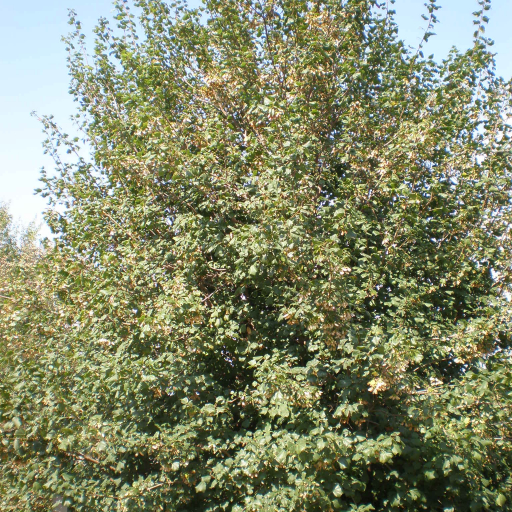
Plant Overview
The Syrian Maple, known scientifically as Acer obtusifolium, is a rugged beauty hailing from the rocky landscapes of the Eastern Mediterranean. Unlike its flashy, color-changing cousins, this maple is a master of subtlety and survival, often keeping its leathery leaves long into the winter. In its native haunts of Cyprus and Lebanon, it is celebrated for its ability to thrive where other trees might wither under the sun.
🔍 How to Identify
- 🍃 The Leaves: Small, leathery, and usually divided into three shallow, rounded lobes. They lack the sharp, pointy tips of most maples, giving them a softer, "obtuse" appearance.
- 🌳 Growth Habit: It typically grows as a multi-stemmed large shrub or a small, compact tree. Its bark is greyish and smooth when young, becoming fissured with age.
- 🚁 The Samaras: It produces classic "helicopter" seeds (winged samaras) that are quite small and held in pairs, often turning a decorative pink or tan color before they dry.
🏡 In Your Garden
- ☀️ Sun-Lover: This species is exceptionally heat-tolerant. While most maples suffer from "leaf scorch" in high temperatures, the Syrian Maple’s thick, waxy leaves act like a shield against the Mediterranean sun.
- 🪨 Soil Nuance: It prefers well-drained, alkaline soil and is often found growing out of limestone crevices in the wild. If you have rocky or "poor" soil where other plants struggle, this maple will feel right at home.
- ✂️ Bonsai Potential: Because of its small leaf size and slow growth rate, it is a favorite among bonsai enthusiasts who want a hardy, evergreen-leaning specimen.
⚠️ Safety & Toxicity
- ✅ Status: Generally non-toxic and safe.
- 🐾 Details: There are no known toxic effects for dogs, cats, or humans. However, as with many members of the Acer genus, the wilted leaves of some species can be harmful to horses if ingested in large quantities, so it's best kept away from grazing pastures.
✨ Fun Fact
The Syrian Maple is one of the very few members of the maple family that can be semi-evergreen. In milder climates, it refuses to drop its leaves in autumn, staying green and lush while the rest of the forest goes bare!

Detailed Care Instructions
To grow an Acer obtusifolium plant, also known as the Korean maple, you can follow these steps:
- Choose the right location: This tree prefers partial shade to full sun. Select an area with well-draining soil that is slightly acidic to neutral. Ensure the location provides adequate space for the tree to grow to its full size.
- Prepare the soil: Loosen the soil in the planting area and mix in organic matter, such as compost, to improve drainage and provide nutrients.
- Planting: Dig a hole that is slightly larger than the root ball of the plant. Place the tree in the hole, making sure the top of the root ball is level with the ground. Backfill the hole with soil, gently firming it around the roots.
- Watering: Water the newly planted tree thoroughly to ensure the soil is evenly moist but not soaked. Water regularly during the first year to help the tree establish a strong root system.
- Mulching: Apply a layer of organic mulch, such as wood chips, around the base of the tree. This will help retain moisture, suppress weed growth, and provide insulation for the roots.
- Pruning: Minor pruning can be done throughout the year to remove dead or damaged branches. However, major pruning is best done in late winter or early spring before new growth begins.
- Fertilizing: Fertilize the Acer obtusifolium tree in early spring before new growth starts. Use a slow-release, balanced fertilizer specifically formulated for trees and follow the instructions on the package. Repeat the application according to the fertilizer's recommendations.
- Protection: Protect the tree from extreme weather conditions, such as strong winds or frost, especially when young. Consider providing support for the tree using stakes if needed.
- Monitoring and care: Regularly monitor the plant for signs of pests, diseases, or nutrient deficiencies and take appropriate measures if necessary. Ensure the tree receives adequate water, especially during hot and dry periods.
By following these steps, you can grow and care for an Acer obtusifolium plant successfully. Remember to be patient, as it may take several years for the tree to reach its full potential.

Place in a bright room that is sun drenched almost all day. Or directly in a south-facing window.

To water this particular plant, it is important to first check the soil moisture level before giving it any water. This can be done by inserting your finger about an inch into the soil and feeling for any moisture. If the soil feels dry, then it is time to water the plant.
When watering, it is best to use room temperature or tepid water. Cold water can shock the roots and cause damage to the plant. Water should be applied slowly and evenly, making sure that it is absorbed by the soil and reaches the roots.
It is important not to overwater the plant, as this can lead to root rot and other issues. The frequency of watering will depend on the environment in which the plant is growing, such as the temperature, humidity, and amount of sunlight it receives. Generally, it is better to water less often but deeply, allowing the soil to dry out slightly before watering again.
It is also important to make sure that the plant is not sitting in standing water, as this can lead to root rot. If possible, water from the bottom by placing the pot in a saucer and allowing the water to be absorbed from the bottom up.
Overall, it is important to monitor the soil moisture level and adjust watering accordingly to ensure that this plant remains healthy and happy.
To fertilize this plant, use a balanced slow-release fertilizer in the early spring before the tree begins to sprout new growth. Apply the fertilizer evenly around the base of the tree, taking care not to get any on the foliage or stem. Water thoroughly after applying the fertilizer to encourage absorption. Repeat this fertilization process every year to ensure healthy growth and development.
When choosing soil for Acer Obtusifolium, it is important to consider the pH level and texture of the soil. It thrives in a well-draining soil with a slightly acidic pH between 5.5-6.5. The texture of the soil should be loamy with good organic matter content, which promotes aeration and water retention. Adding compost or other organic matter to the soil can improve its structure and provide nutrients for the plant. It is important to avoid heavy clay soils or soils that are excessively sandy. Overall, choosing the right soil for Acer Obtusifolium is crucial to ensure healthy growth and development of the plant.
To propagate this plant, start by taking stem cuttings from a healthy parent plant. Choose a stem that is about 4-6 inches long, and make the cut just below a node (where leaves attach to the stem).
Next, remove all leaves from the lower half of the cutting, leaving just a few leaves near the top. This will reduce the amount of moisture lost through transpiration.
Dip the cut end of the stem into rooting hormone powder to encourage root growth, and then plant the cutting in a pot filled with a well-draining, moist potting mix.
Water the cutting and cover it with a plastic bag or cling wrap to retain moisture. Place the pot in a warm spot out of direct sunlight.
Check the cutting regularly to ensure it doesn't dry out, and in a few weeks, new growth should start to emerge. Once the new plant has established roots, it can be transplanted into a larger pot or garden bed.
Keep in mind that this plant may take several years to reach full maturity, depending on growing conditions and other factors.








