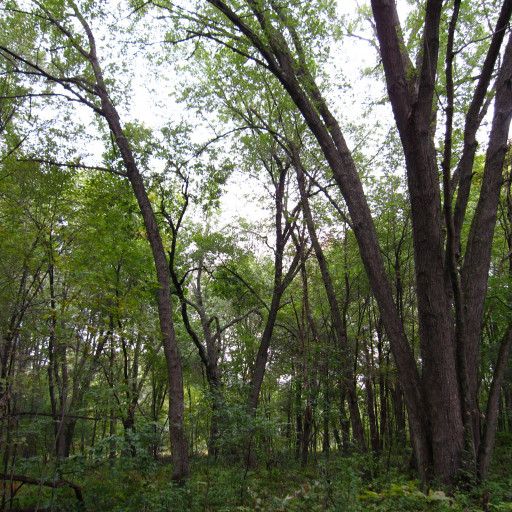
Plant Overview
Often called the "Silver-Leaf Maple" or "Creek Maple," the Silver Maple is a majestic giant famous for its shimmering dance in the breeze. While it offers instant shade due to its incredible growth speed, it is often seen as the "restless giant" of the garden—beautiful to look at, but requiring plenty of space to stretch its powerful limbs.
🔍 How to Identify
- 🍃 Deeply Lobed Leaves: The leaves feature five distinct lobes with sharp, pointed teeth and deep, narrow "V" shaped gaps (sinuses) that make them look more delicate than the broader leaves of a Sugar Maple.
- ✨ Silvery Underside: The most striking feature is the pale, silvery-white underside of the leaf; when the wind picks up, the entire tree appears to flash and shimmer as the leaves flip over.
- 🧥 Shaggy Bark: While young trees have smooth, silvery-gray bark, older specimens develop long, thin flakes that peel at the ends, giving the trunk a rugged, shaggy texture.
🏡 In Your Garden
- 🏗️ Infrastructure Warning: This tree has an aggressive, shallow root system that actively seeks out moisture. It is notorious for cracking sidewalks and invading old sewer or water pipes, so it should be planted at least 30 feet away from any structures.
- 🌪️ Fast Growth, Soft Wood: Because it grows so rapidly, its wood is relatively soft and brittle. It is prone to "weak crotches" where branches meet the trunk, meaning it may lose limbs during heavy ice storms or high winds. Regular structural pruning while the tree is young is highly recommended.
⚠️ Safety & Toxicity
- 🐾 Safe for Pets: The Silver Maple is generally considered non-toxic to dogs, cats, and horses. It is a very safe choice for areas where animals roam.
- 🧤 Sappy Situations: Like most maples, it produces sap in the spring. While not dangerous, the sap can be messy if it drips onto cars or patio furniture, and it can occasionally cause mild skin irritation in very sensitive individuals.
✨ Fun Fact
🐝 The First Breakfast: The Silver Maple is one of the very first trees to bloom in the late winter or early spring, often long before its leaves appear. These tiny, reddish flowers are a critical "emergency" food source for honeybees and other pollinators waking up from hibernation when nothing else is in bloom.

Detailed Care Instructions
| Soil Ph | Acidic, Neutral, Slightly Alkaline |
| Lighting | Full Sun |
| Soil Type | Sandy, Loamy |
| Plant Type | Deciduous Tree |
| Mature Size | 50 To 100 Ft. Tall |
| Native Area | Eastern North America |
| Sun Exposure | Full To Partial Sun |
| Hardiness Zones | 3-9 |
To grow an Acer Saccharinum (Silver Maple) plant, follow these steps:
- Choose a suitable location: Acer Saccharinum thrives in full sun or partial shade, so select an area that receives at least 6 hours of direct sunlight per day. It prefers well-draining soil but is adaptable to various soil types.
- Collect seeds or purchase a seedling: You can collect seeds from mature Acer Saccharinum trees during the fall. Alternatively, you can purchase a young plant from a local nursery or online supplier.
- Prepare the soil: If the soil is less fertile, amend it with organic matter like compost to improve its nutrient content and drainage. Ensure there is no competition from weeds or grass by removing them before planting.
- Plant the seeds or seedling: If using seeds, plant them during the fall, as they require a period of cold stratification to germinate. You can either directly sow them into the ground or start them indoors in seed trays and transplant them later. If using a seedling, dig a hole slightly larger than the root ball and place it in the hole at the same depth it was growing in its container.
- Water regularly: Keep the soil consistently moist but not waterlogged, especially during the first few years of growth. Water deeply, allowing the water to penetrate the root zone.
- Mulch around the base: Add a layer of mulch around the base of the plant to retain moisture, suppress weeds, and protect the roots from temperature fluctuations. Leave some space around the trunk to avoid moisture buildup.
- Prune and shape: Once the tree is established, prune any dead, damaged, or crossing branches during the dormant season (late fall to early spring) to maintain a healthy and attractive shape.
- Fertilize sparingly: Acer Saccharinum generally does not require regular fertilization. However, if you notice slow growth or poor foliage color, you can apply a slow-release, balanced fertilizer in early spring.
- Monitor for pests and diseases: Keep an eye out for pests like aphids, mites, and scale insects, as well as common maple diseases like anthracnose and leaf spot. Treat any infestations or diseases promptly to protect the plant's health.
- Be patient: Acer Saccharinum can take several years to reach maturity and develop its iconic silver-gray bark and vibrant fall foliage. Be patient and enjoy watching its growth and transformation over time.

Place in a window with dappled sun or a spot in the middle of a room. Or directly in a window facing west or east.

The best way to water this plant is to ensure that the soil around its base is moist throughout the growing season. This can be achieved by watering it deeply and regularly, especially during dry spells or periods of high heat. It is important to avoid allowing the soil to become too dry or waterlogged, as both conditions can harm the plant's growth and health. When watering, try to direct the water towards the base of the plant rather than the leaves, as this can help prevent disease and fungal growth. Additionally, using a layer of organic mulch around the plant can help to retain moisture and improve soil fertility, which can aid in its overall health and growth.
To fertilize this plant, first ensure that the soil is moist. Then, apply a balanced fertilizer with equal amounts of nitrogen, phosphorous, and potassium. Use a slow-release fertilizer or apply liquid fertilizer every two weeks during the growing season. Avoid fertilizing during the winter months when the plant is dormant. Apply the fertilizer evenly around the base of the plant, and be careful not to over-fertilize, as this can damage the plant.
For planting Acer Saccharinum, it is best to use a well-draining soil that is rich in organic matter. The soil should be acidic, with a pH level between 5.5 and 6.5, and have good water retention capacity. The soil should be loamy, consisting of a mixture of sand, silt, and clay in equal proportions. You can add organic compost or peat moss to improve the soil quality. Avoid using heavy soils, such as clay, as they may compact and restrict root growth. Additionally, make sure the soil is free of any contaminants or pollutants, as they may adversely affect the plant's growth.
To propagate this plant, one should first collect cuttings from a healthy mother plant. It is important to choose a cutting that is approximately 6-8 inches in length and has several leaves. The cutting should then be removed from the mother plant with a clean and sharp pair of pruning shears.
Once the cutting has been collected, it should be immediately placed into a jar of water to prevent the cut end from drying out. It is important to change the water every few days to prevent bacteria and mold from forming.
After approximately 2-3 weeks, the cutting should develop roots. At this point, it can be transferred into a small pot filled with a well-draining soil mixture. The soil should be kept moist but not waterlogged, and the cutting should be placed in a warm, sunny location.
It is important to monitor the cutting closely over the next few weeks to ensure that it continues to grow and thrive. Once it has established itself in the pot, it can be transplanted into a larger container or moved outside into the garden. With proper care and maintenance, the new plant should continue to grow and thrive for many years to come.
Common pests of the silver maple include Spider mites, thrips, larvae. Make a habit of checking your silver maple frequently for pests so that any infestations can be caught and managed early.








