Plant Overview
Known as the Manchurian Stripe-bark Maple, this tree is a true showstopper in any woodland garden. Its striking "snake-like" bark makes it look like a piece of living art, especially when the winter frost highlights its patterns. Native to the cold, high-altitude forests of East Asia, it brings a touch of exotic, architectural elegance to temperate landscapes.
🔍 How to Identify
- 🐍 The Bark: The most iconic feature—smooth, green bark marked with vivid, vertical white stripes that resemble snakeskin or a tailored pinstripe suit.
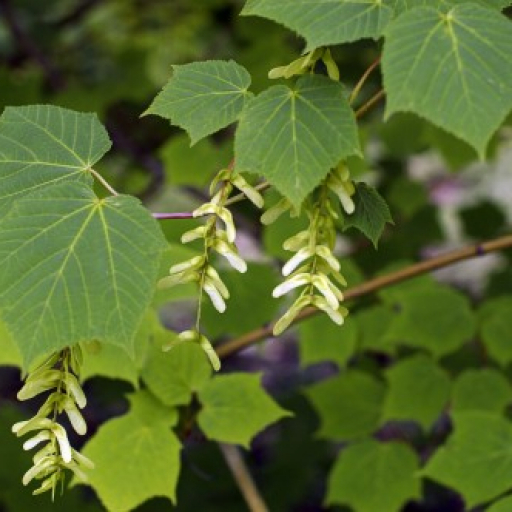
- 🍃 The Leaves: Unusually large, wide, and shallowly three-lobed. They have a soft texture and transform into a brilliant, buttery yellow during the autumn months.
- 🌸 The Flowers: In late spring, it produces pendulous, drooping clusters of small, pale yellow flowers that hang elegantly from the branches.
🏡 In Your Garden
- ❄️ Cool & Shady: This maple is a specialist for cooler climates. It thrives in dappled sunlight and "understory" conditions; it will often struggle or suffer leaf scorch if placed in intense, baking afternoon sun.
- 💧 Moisture Balance: It demands consistently moist, well-draining soil. It is particularly sensitive to drought, so a thick layer of mulch around the base is essential to keep the root zone cool and hydrated.
⚠️ Safety & Toxicity
- ✅ General Safety: Acer tegmentosum is considered non-toxic to humans and is safe for general residential landscaping.
- 🐾 Pets & Livestock: While safe for cats and dogs, it is a good practice to keep horses away from maple wilt (withered leaves), which can be problematic for equines across the Acer genus.
✨ Fun Fact
In its native regions of Korea and Russia, this tree is more than just a pretty face; extracts from its striped bark have been used in traditional folk medicine for centuries, specifically believed to help support liver health and reduce inflammation!

Detailed Care Instructions
To successfully grow Acer tegmentosum, also known as the Manchurian striped maple, you can follow these steps:
- Climate and Location: Acer tegmentosum thrives best in cool temperate regions with moist, well-draining soil. It will tolerate partial shade but prefers dappled sunlight or morning sun.
- Soil Preparation: Prepare the planting area by loosening the soil, removing weeds, and adding organic matter like compost to enrich the soil's fertility and improve drainage.
- Planting: Dig a hole that is slightly larger than the pot size or root ball of the plant. Place the plant in the hole, making sure that the top of the root ball is level with or slightly above the ground surface. Backfill the hole with soil, gently firming it around the roots.
- Watering: Water the plant thoroughly after planting to help settle the soil and ensure good root-to-soil contact. Keep the soil consistently moist but not waterlogged. During dry or hot periods, you may need to water more frequently.
- Mulching: Apply a layer of organic mulch around the base of the plant, leaving a gap around the stem to prevent moisture from accumulating and causing rot. Mulch helps retain moisture, suppress weeds, and regulate soil temperature.
- Pruning: Acer tegmentosum generally requires minimal pruning. However, you can remove any dead, damaged, or crossing branches to improve the tree's overall health and appearance. Prune during the dormant season to minimize stress on the plant.
- Fertilization: Apply a balanced slow-release fertilizer in spring or early summer to promote healthy growth. Follow the package instructions for the recommended amount and method of application.
- Winter Protection: Acer tegmentosum is hardy but may benefit from winter protection in colder regions. Apply a layer of mulch around the base of the tree to insulate the roots and protect against freezing temperatures.
- Pests and Diseases: Monitor the plant for common pests like aphids or scale insects. Treat any infestations promptly using organic insecticides if necessary. Additionally, ensure good air circulation around the tree to minimize the risk of diseases like powdery mildew.
By following these tips, you can successfully grow Acer tegmentosum in your garden and enjoy its beautiful striped foliage.

Place in a bright room that is sun drenched almost all day. Or directly in a south-facing window.

Water the plant regularly, ensuring that the soil is consistently moist but not waterlogged. When watering, avoid getting the foliage wet as this can lead to disease. A good rule of thumb is to water deeply once a week, allowing the water to soak in and reach the plant’s roots. However, this frequency may need to be adjusted depending on the temperature and humidity levels in your area. In general, the plant will require more water during hot, dry weather and less during cooler, more humid conditions. Additionally, be sure to choose a pot or planting location with good drainage to prevent waterlogged soil, which can damage the roots and lead to root rot.
To fertilize Acer Tegmentosum, use a balanced slow-release fertilizer in early spring before new growth emerges. Apply the fertilizer around the base of the plant according to the manufacturer's instructions. Avoid applying fertilizer after mid-summer to avoid promoting new growth that could be damaged by winter cold. Water the plant deeply after fertilizing to ensure the nutrients are absorbed into the soil. Additionally, you can amend the soil with organic matter, such as compost or aged manure, to help improve soil fertility and moisture retention.
The recommended soil for the Acer Tegmentosum plant should be rich, well-draining, and slightly acidic. It should have a pH level between 5.5 to 6.5. The soil should be a mix of loam, sand, and organic matter such as compost or peat moss. The plant prefers a soil that is moist but not waterlogged, and it should be well-draining to prevent waterlogging which can cause root rot. The ideal soil type should also be able to retain some moisture as Acer Tegmentosum plants require a consistent supply of water. Finally, the soil should be rich in nutrients such as nitrogen, phosphorus, and potassium to promote healthy growth.
To propagate this plant, first select a healthy, mature stem with leaves. Using a sharp, clean knife or scissors, cut a 6-inch section of the stem just below a node, which is where a leaf meets the stem. Remove all leaves from the lower half of the stem.
Dip the cut end of the stem in rooting hormone powder to encourage root growth. Fill a small pot with a well-draining potting mix, and make a hole in the center of the soil with a pencil or your finger. Insert the stem cutting into the hole, and press the soil firmly around the stem.
Water the soil around the cutting until it is moist, but not soaking wet. Mist the leaves with water to help them retain moisture, and cover the pot with a plastic bag to create a humid environment. Place the pot in a bright, but indirect light.
Check the soil regularly and water as needed to keep it moist, but avoid overwatering, which can lead to root rot. After four to six weeks, gently tug on the stem cutting to check for root growth. Once roots are visible, remove the plastic bag and allow the new plant to adjust to its surroundings.
When the plant has outgrown its pot and has several sets of leaves, it can be transplanted into a larger container or planted in the garden.








