Plant Overview
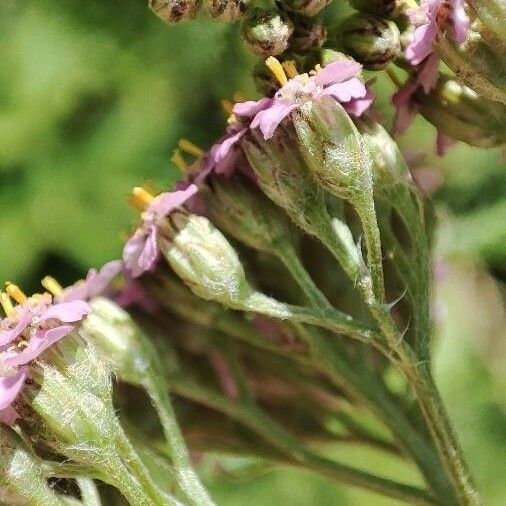
Often called the Asian Yarrow, this resilient beauty is the vibrant cousin of the common white yarrow, painting the wild steppes of Asia with shades of lilac and soft rose. Named after the Greek hero Achilles, who reportedly used the plant to heal his soldiers' wounds, Achillea asiatica is as much a living first-aid kit as it is a garden ornamental. It is beloved for its ability to survive in the harshest conditions where other flowers might wither.
🔍 How to Identify
- 🌿 Feathery Foliage: The leaves are deeply divided into tiny segments, giving the plant a delicate, fern-like appearance that stays green for most of the season.
- 🌸 Flat Flower Heads: The tiny flowers are packed tightly into flat-topped clusters called "cymes." While common yarrow is often white, the Asiatica variety is famous for its shades of pink, violet, and pale purple.
- 👃 Aromatic Scent: If you crush a leaf between your fingers, it releases a sharp, spicy, and medicinal aroma that is distinctively "herbal."
🏡 In Your Garden
- 🌞 Thrives on Neglect: This plant actually prefers "lean" or poor soil. If you give it too much fertilizer or rich compost, it grows too tall and "floppy," losing its tidy, upright shape.
- 🦋 Pollinator Landing Pad: The flat flower heads act as the perfect landing platform for butterflies and hoverflies, making it an essential addition to any biodiversity-focused garden.
- 🚜 Spreading Spirit: It spreads via underground runners (rhizomes). While this makes it an excellent groundcover for filling empty gaps, it may try to "escape" its designated garden bed if not monitored.
⚠️ Safety & Toxicity
- 🐾 Toxic to Pets: Asian Yarrow contains salicylic acid and volatile oils that are toxic to dogs, cats, and horses. Ingestion can lead to vomiting, diarrhea, and increased urination.
- ✋ Skin Sensitivity: Some people experience "phytophototoxicity"—a skin rash or irritation that occurs if you get the plant's sap on your skin and then expose it to direct sunlight. It is best to wear gloves when pruning.
✨ Fun Fact
In traditional Mongolian medicine, this specific yarrow was so highly regarded for its healing properties that it was believed to hold the "spirit of the earth," capable of surviving the brutal Siberian winters and still blooming with vigor every spring.

Detailed Care Instructions
To grow Achillea Asiatica, also known as Korean yarrow, you can follow these steps:
- Location: Choose a sunny spot in your garden that receives at least 6-8 hours of direct sunlight. Achillea Asiatica is a hardy perennial, and it can tolerate various soil types as long as they are well-draining.
- Soil preparation: Prepare the soil by removing any weeds, rocks, or debris. Loosen the soil using a spade or garden fork to a depth of about 6-8 inches. If the soil is heavy or clay-like, you can improve drainage by adding organic matter such as compost or well-rotted manure.
- Planting: Dig a hole that is slightly larger and deeper than the container your Achillea Asiatica plant is in. Gently remove the plant from its container and place it in the hole, making sure the top of the root ball is level with the surrounding soil. Backfill the hole with soil, firm it gently around the plant's base, and water thoroughly.
- Watering: Initially, water the plant regularly to help it establish its roots. Once established, Achillea Asiatica is relatively drought-tolerant. Water deeply but infrequently, allowing the soil to dry slightly between waterings. Avoid overwatering as it can lead to root rot.
- Mulching: Apply a layer of organic mulch around the base of the plant to help retain soil moisture, suppress weeds, and regulate soil temperature.
- Fertilizing: Achillea Asiatica does not require heavy feeding, but you can apply a balanced, slow-release fertilizer in early spring and early fall. Read the instructions on the fertilizer package and apply accordingly.
- Pruning: Deadhead the faded flowers regularly to promote continuous blooming and prevent the plant from going to seed. In late winter or early spring, cut back the previous season's growth to encourage vigorous new growth.
- Pests and diseases: Achillea Asiatica is generally hardy and resistant to most pests and diseases. However, aphids, powdery mildew, and root rot can occasionally occur. Monitor your plant regularly, address any signs of pests or diseases promptly, and take appropriate measures such as insecticidal soap or fungicides if necessary.
By following these steps and providing proper care, you can successfully grow Achillea Asiatica in your garden.
- Determine the watering needs of the plant: Before watering, it is important to understand the watering needs of the plant. This can vary based on factors like the type of soil, amount of sunlight, and temperature. Research the requirements of Achillea Asiatica to determine its watering schedule.
- Check the moisture level of the soil: Before watering, check the moisture level of the soil using a moisture meter or by feeling the top inch of soil. If the soil feels dry, then water the plant. If the soil is still moist, postpone watering until it dries out.
- Water deeply and infrequently: Instead of watering the plant frequently, it is important to water it deeply. This ensures that the soil is well-hydrated and promotes the growth of deep roots. Watering less frequently also reduces the risk of overwatering and root rot.
- Use a watering can or hose with a nozzle: When watering the plant, use a watering can or hose with a nozzle. This allows you to water the plant evenly without causing damage to the leaves or flowers.
- Water early in the morning: It is best to water the plant early in the morning. This allows the water to soak into the soil before the heat of the day causes evaporation. It also reduces the risk of mildew and other fungal diseases.
- Avoid getting water on the leaves: When watering the plant, avoid getting water on the leaves. This can cause damage and promote the growth of fungal diseases. Instead, direct the water towards the base of the plant.
- Mulch the soil: To help retain moisture in the soil, add a layer of organic mulch around the base of the plant. This can help reduce the frequency of watering and keep the soil hydrated for longer periods.
To fertilize this perennial herbaceous plant, use a balanced fertilizer that is high in nitrogen. Apply the fertilizer in early spring and again in late summer, following the recommended dosage on the packaging. Water the plant thoroughly after applying the fertilizer to help it absorb the nutrients. Avoid over-fertilizing, as this can result in excessive growth and weak stems.
A suitable soil for Achillea Asiatica should provide good drainage and aeration, as the plant does not tolerate wet or waterlogged conditions. It should have a pH range of between 6.0 and 7.5, and be rich in organic matter. The soil should have a sandy or loamy texture, with the ability to retain some moisture without becoming waterlogged. It is recommended to add compost or well-rotted manure to the soil before planting, to improve soil fertility and structure. Avoid heavy clay soils as they may cause waterlogging and root rot.
Propagation of this plant can be done through a few different methods. One way is by dividing the plant in the spring or fall. Carefully remove the plant from the soil and separate the roots into smaller sections with a sharp knife or scissors. Replant the divisions in soil and water them well.
Another method is through stem cuttings. In the spring or early summer, select healthy stems without flowers or buds. Cut the stem at a 45-degree angle and remove any lower leaves. Dip the cut end into rooting hormone and plant it in a pot filled with moist soil. Cover the pot with a plastic bag to create a greenhouse effect and keep it in a warm and bright area. Keep the soil moist and within a few weeks, new growth should appear.
Lastly, the plant can also be propagated from seeds. Collect the seeds from the plant in the fall and store them in a dry and dark location. In the spring, plant the seeds in a pot filled with well-draining soil and cover them lightly with soil. Water the soil well and keep the pot in a warm and bright location. Within a few weeks, the seeds should germinate and new growth will appear.








