Plant Overview
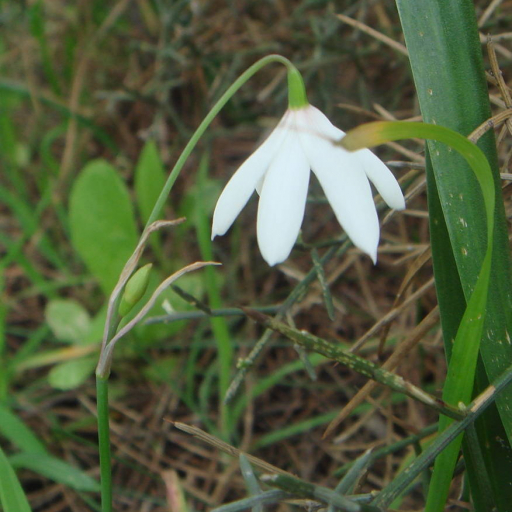
Often called the Three-leaved Snowflake, Acis trichophylla is a delicate Mediterranean treasure that looks like a cluster of tiny, porcelain lanterns floating above the sand. Native to the sun-drenched coasts of Portugal, Spain, and Morocco, this bulbous beauty is a master of minimalism. It is beloved by rock garden enthusiasts for its ability to bring a touch of ethereal grace to the harshest, driest environments.
🔍 How to Identify
- 🌸 The Blooms: It features nodding, bell-shaped flowers that are usually pure white, often blushing with a soft pink tint at the very base of the petals.
- 🌿 Hair-like Foliage: Its name trichophylla literally translates to "hair-leaved." The leaves are exceptionally thin and thread-like, often appearing alongside or just after the flowers.
- 📏 Stature: A true miniature of the bulb world, it usually reaches only 10–25 cm in height, with several flowers drooping elegantly from a single, slender, reddish-green stem.
🏡 In Your Garden
- 🏜️ Drainage is King: Because it originates from sandy coastal dunes and pine barrens, this plant is highly sensitive to "wet feet." It requires gritty, fast-draining soil to prevent the bulbs from rotting during the winter.
- ☀️ The Summer Siesta: This plant follows a strict Mediterranean cycle. It blooms in late winter or early spring and then completely disappears underground to survive the summer heat. Avoid watering the area during its summer dormancy, as it prefers to stay baked and dry.
⚠️ Safety & Toxicity
- 🚫 Toxic if Ingested: Like its cousins in the Amaryllis family, Acis trichophylla contains various alkaloids. If eaten, it can cause stomach upset, nausea, and vomiting.
- 🐾 Pet & Child Safety: While the plant is small and often goes unnoticed, the bulbs are particularly concentrated with toxins. It is best kept in rockeries or containers out of reach of curious pets or toddlers.
✨ Fun Fact
The genus name Acis is rooted in Greek mythology. Acis was a handsome shepherd who was crushed by a boulder thrown by the jealous Cyclops, Polyphemus. According to the myth, his blood was transformed into a rushing river, and these delicate, water-droplet-shaped flowers are often associated with his ethereal transformation.

Detailed Care Instructions
To grow Acis Trichophylla plants, you can follow these steps:
- Obtain seeds or bulbs: You can either purchase Acis Trichophylla seeds or bulbs from a reputable nursery or online retailer. Make sure you choose healthy and viable seeds or bulbs.
- Choose the right location: Acis Trichophylla prefers a sunny or partially shaded location. Ensure that the area has well-draining soil.
- Prepare the soil: Before planting, prepare the soil by removing any weeds or debris. Loosen the soil and mix in well-rotted compost or organic matter to improve its fertility and drainage.
- Planting seeds: If you're using seeds, sow them in early spring or autumn. Gently press the seeds into the prepared soil, ensuring they are covered with a light layer of soil.
- Planting bulbs: If you're using bulbs, plant them with their pointed ends facing upwards at a depth of around 2–3 inches. Space the bulbs at least 2–3 inches apart.
- Watering: Keep the soil evenly moist, especially during the growing season. Avoid overwatering, as it can lead to root rot.
- Fertilization: Apply a balanced, slow-release fertilizer in early spring to promote healthy growth. Follow the manufacturer's instructions for the appropriate amount to use.
- Mulching: After planting, apply a layer of organic mulch around the plants to help conserve moisture and suppress weed growth.
- Provide support if needed: Some varieties of Acis Trichophylla may require support as they grow. Use bamboo stakes or similar materials to gently prop up the plants if necessary.
- Pruning: Once the flowers have faded, you can remove the spent flower stalks. However, avoid cutting or removing foliage until it turns brown, as it helps nourish the bulbs for the following year's growth.
- Protection: If you live in an area with harsh winters, consider covering the plants with a layer of straw or mulch to protect them from extreme cold.
By following these steps, you can successfully grow Acis Trichophylla plants and enjoy their beautiful flowers. Remember to provide proper care and maintenance throughout the growing season to ensure their health and longevity.

Place in a bright room that is sun drenched almost all day. Or directly in a south-facing window.

To water this plant, make sure to check the soil moisture level before watering. The soil should be slightly moist, not too wet or dry. Use a watering can or hose with a gentle flow to avoid damaging the plant and pour the water at the base of the plant, avoiding the leaves. Ensure that excess water can drain out of the pot or container. Water gradually, giving time for the soil to absorb the water and avoid waterlogging. Consider watering it twice a week during the growing season and reduce watering during the dormant period.
To fertilize this plant, use a balanced fertilizer with equal parts nitrogen, phosphorous, and potassium. Apply it once a month during the growing season, from spring to summer. Be careful not to over-fertilize, as this can harm the plant. Dilute the fertilizer with water before applying it to the soil around the base of the plant.
The recommended soil for this plant species is a well-draining, slightly acidic soil mix. It should be a deep, rich loam with a pH range of 5.5 to 6.5. The ideal soil composition should be equal parts of clay, sand, and organic matter (such as peat moss or compost). The soil mix should be free of any pests, diseases, or weed seeds. It is also important to ensure that the container or pot used for the plant has drainage holes to prevent waterlogging of the soil.
To propagate this plant, take a stem cutting that is about 4-6 inches in length and has a few leaves attached. Remove any lower leaves near the bottom of the stem and dip the end of the cutting into rooting hormone. Place the cutting into a container filled with a well-draining soil mixture and water thoroughly. Cover the container with plastic wrap or a plastic bag to create a humid environment for the cutting. Keep the soil moist and place in a warm, bright location but out of direct sunlight. The cutting should have developed roots and be ready to transplant in about 4-6 weeks.








