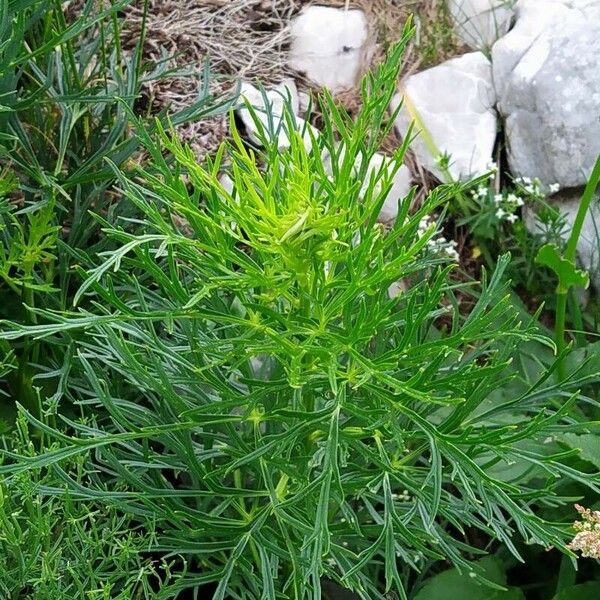
Plant Overview
Known as the Narrow-leaved Monkshood, this alpine beauty looks like it belongs in a Victorian Gothic novel. Its striking deep-blue "hoods" are a majestic sight in mountain meadows, but its regal appearance hides one of the most potent toxins in the plant kingdom. Often associated with ancient mythology and dark history, it is a plant that demands respect and distance.
🔍 How to Identify
- 🎓 The Hooded Flower: The most striking feature is the "galea," a petal-like sepal that curves over the rest of the flower like a medieval monk’s cowl or a helmet.
- 🌿 Narrow Foliage: True to its name (angustifolium), the leaves are very finely divided into narrow, almost needle-like segments, giving the plant a delicate, feathery texture compared to its broad-leaved cousins.
- 📏 Stately Stature: It grows on tall, sturdy, unbranched stems that can reach up to a meter in height, topped with dense clusters of violet-blue blooms.
🏡 In Your Garden
- 🏔️ Alpine Preferences: This plant is a native of the Eastern Alps. It thrives in "cool and moist" conditions, preferring dappled shade and soil that never fully dries out. It struggles in humid, hot southern climates.
- ⚓ The Taproot Rule: Monkshood develops a deep, tuberous root system that is incredibly sensitive. It "hates" being moved once established, so choose its forever-home carefully to avoid transplant shock.
⚠️ Safety & Toxicity
- 💀 Lethal Warning: Every single part of this plant—from the nectar to the roots—contains aconitine, a potent neurotoxin. It is considered one of the most poisonous plants in the world.
- 🧤 Skin Protection: Never handle this plant with bare hands. The toxins can be absorbed through the skin, causing tingling, numbness, or even heart palpitations. Always wear thick gloves and keep it far away from children and pets.
✨ Fun Fact
- 🐺 Wolfsbane Roots: In ancient times, the juice from Aconitum roots was used to tip arrows and create poison baits to kill wolves. This earned the entire genus the chilling and legendary nickname "Wolfsbane."

Detailed Care Instructions
Aconitum Angustifolium, also known as narrow-leaved monkshood, is a perennial plant that can grow up to 3 feet tall and produces tall spikes of blue flowers in the summer. Here are some tips on how to grow Aconitum Angustifolium successfully:
- Soil: Aconitum Angustifolium prefers well-draining soil that is rich in organic matter. It also prefers slightly acidic to neutral pH levels.
- Sunlight: Plant Aconitum Angustifolium in a location that receives partial to full sunlight. Avoid planting it in areas that receive intense afternoon sunlight, as this can cause the plant to wilt.
- Watering: Keep the soil consistently moist but not waterlogged. Water deeply when the top inch of soil is dry to the touch.
- Fertilization: Fertilize Aconitum Angustifolium in the spring with a balanced, slow-release fertilizer. Avoid over-fertilizing, as this can lead to excessive foliage growth and reduced flower production.
- Mulching: Apply a 2-3 inch layer of organic mulch around the base of the plant to help retain moisture and suppress weeds.
- Pruning: Deadhead spent flowers to encourage the plant to produce more blooms. Cut back the foliage in the fall after it has died back.
- Division: Aconitum Angustifolium can be divided in the spring or fall to rejuvenate older plants and promote healthy growth.
- Pests and diseases: Keep an eye out for pests such as aphids and spider mites, as well as diseases such as powdery mildew. Treat any issues promptly to prevent them from spreading.
By following these tips, you can successfully grow Aconitum Angustifolium in your garden and enjoy its beautiful blue flowers throughout the summer.
Aconitum Angustifolium plants prefer consistently moist but well-draining soil. Water the plant thoroughly, making sure the water reaches the root zone. Avoid letting the soil dry out completely between waterings, as this can stress the plant. Monitor the soil moisture regularly and adjust the frequency of watering based on the plant's needs and the environmental conditions. Be careful not to overwater, as Aconitum Angustifolium plants are sensitive to waterlogged conditions. Water the plant early in the morning to allow excess moisture to evaporate throughout the day and reduce the risk of fungal diseases. Additionally, consider using a watering can or a soaker hose to deliver water directly to the base of the plant and avoid wetting the foliage, which can also help prevent disease.
To fertilize Aconitum angustifolium, it is recommended to apply a balanced, slow-release fertilizer in the early spring before new growth appears. Use a fertilizer with an N-P-K ratio of 10-10-10 or a similar formulation. Avoid over-fertilizing as this can lead to excessive lush growth which may be more susceptible to disease. Water the plant thoroughly after applying the fertilizer to help it absorb the nutrients. Repeat the fertilization process every 4-6 weeks during the growing season, following the same guidelines. Remember to always follow the manufacturer's instructions for application rates and timing.
Aconitum Angustifolium plants prefer well-draining soil that is rich in organic matter. A loamy soil with a pH level of 6.0 to 7.0 is ideal for optimal growth. Avoid using heavy clay soil, as it can retain too much moisture and lead to root rot.
It is recommended to amend the soil with compost or aged manure to improve its overall fertility and drainage. Additionally, adding perlite or coarse sand can help enhance drainage and prevent the soil from becoming waterlogged.
Regularly check the moisture level of the soil and water only when the top inch of soil feels dry to the touch. Overwatering can cause root rot, while underwatering can lead to stunted growth and poor flowering.
Overall, providing well-draining, rich soil for your Aconitum Angustifolium plant will help promote healthy growth and vibrant blooms.
Aconitum Angustifolium plants can be propagated through several methods including division, seed propagation, and root cuttings.
Division involves separating a healthy existing plant into smaller sections, each with its own root system, stem, and leaves. This can be done by carefully digging up the plant, separating the sections, and replanting them in suitable soil.
Seed propagation involves collecting mature seeds from the plant and sowing them in a well-draining seed-starting mix. The seeds should be kept moist and placed in a warm, sunny location to encourage germination.
Root cuttings can also be taken from an established plant and replanted to grow new plants. This involves cutting a healthy section of root from the plant, typically about 4-6 inches long, and replanting it in a pot filled with suitable soil.
Regardless of the method chosen, it is important to provide the propagated plants with the appropriate care, including regular watering, fertilization, and protection from pests and diseases. It is also recommended to propagate Aconitum Angustifolium plants in the spring or early summer when they are actively growing and more likely to successfully establish themselves.








