Plant Overview
Known as the "Sweet Flag" or "Beewort," this ancient marsh-dweller has been a companion to humanity for millennia. From the perfumes of ancient Egypt to the rush-covered floors of medieval English cathedrals, its spicy, citrus-like fragrance has made it a historical favorite for masking unwanted odors and crafting traditional medicines.
🔍 How to Identify
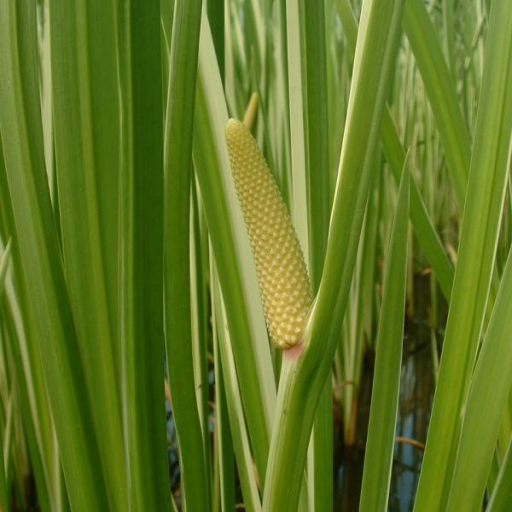
- 🍃 Sword-Shaped Leaves: The foliage looks remarkably like an Iris, with long, narrow, bright green blades that can reach up to 4 feet in height.
- 👃 Aromatic Signature: The easiest way to identify it is by scent; if you bruise a leaf or snap a root, it releases a potent, pleasant aroma reminiscent of cinnamon and ginger.
- 🌾 The Spadix: Unlike the showy flowers of a Lily, the Sweet Flag produces a subtle, finger-like green spike covered in tiny yellowish-green flowers that emerges at an angle from the side of a leaf-like stalk.
🏡 In Your Garden
- 🌊 The Wetland Specialist: This plant is the perfect solution for "problem areas" like boggy soil, pond edges, or spots with standing water. It actually prefers having "wet feet" and will thrive where most other plants would drown.
- 🌱 Rhizome Management: It spreads via thick, creeping underground stems. While it isn't considered aggressively invasive, it will happily colonize a muddy bank, making it excellent for erosion control but something to watch in small garden ponds.
⚠️ Safety & Toxicity
- 🐾 Pet Warning: The plant contains oils and compounds that can cause stomach upset or skin irritation in curious cats and dogs if chewed or handled excessively.
- 🚫 Consumption Caution: Although historically used as a spice (often called "German Ginger"), modern science has found that many varieties contain beta-asarone, which can be toxic or carcinogenic in high doses. It is best treated as a beautiful ornamental rather than a culinary herb.
✨ Fun Fact
In the Middle Ages, Sweet Flag was used as a "strewing herb." People would scatter the leaves across the floors of their homes so that when they walked on them, the leaves would crush and release a sweet, spicy scent to freshen the air!

Detailed Care Instructions
- Choose a suitable location: Acorus Calamus, also known as Sweet Flag or Calamus, thrives in moist to wet soil and is often found near bodies of water such as ponds or streams. Select a spot with partial to full sun exposure.
- Prepare the soil: Acorus Calamus prefers sandy or loamy soil that is rich in organic matter. Amend the soil with compost or well-rotted manure to improve drainage and nutrient content.
- Propagation: Acorus Calamus can be grown from seeds or rhizomes. Seeds should be sown in a pot or seed tray in early spring and barely covered with soil. Keep the soil moist but not waterlogged. Rhizomes can be planted directly in the ground in early spring.
- Planting: When planting rhizomes, dig a hole deep enough to cover the rhizome with a thin layer of soil. Space multiple plants about 12 inches apart to allow room for growth. If growing from seeds, transplant seedlings into individual pots once they have developed a few leaves and are strong enough to handle.
- Watering: Acorus Calamus requires consistently moist soil, so water regularly to maintain adequate moisture levels. Avoid overwatering or allowing the soil to become waterlogged, as excessive moisture can cause root rot.
- Fertilization: Apply a balanced, slow-release fertilizer in early spring to provide necessary nutrients for growth. Follow the instructions on the fertilizer package for appropriate dosage.
- Mulching: Apply a layer of organic mulch around the base of the plants to help retain moisture, suppress weeds, and regulate soil temperature. This can be done after planting and each spring thereafter.
- Pruning: Acorus Calamus doesn't require much pruning, but you can remove any dead or damaged leaves as needed to maintain a neat appearance. Avoid excessive pruning as it can stress the plant.
- Pests and diseases: Acorus Calamus is relatively pest and disease resistant. However, keep an eye out for slugs, snails, or aphids, which may occasionally affect the plants. If necessary, use organic pest control methods to protect the plants.
- Winter care: In colder regions, Acorus Calamus may die back in winter but will usually regrow the following spring. Mulching can help protect the plant's roots during colder months.
Remember to check the specific growing requirements and recommendations for your region, as well as any local regulations regarding the cultivation of Acorus Calamus.

Place in a bright room that is sun drenched almost all day. Or directly in a south-facing window.

Acorus Calamus plant is a perennial herbaceous plant that grows in wetland areas, such as marshes, swamps, and along the edges of lakes and rivers. It needs to be watered regularly to thrive and grow healthy.
When watering Acorus Calamus, it is important to ensure that the soil remains moist but not waterlogged. The ideal watering frequency and amount will depend on the specific environmental conditions of the plant's location, such as temperature, humidity, and rainfall.
One method of watering Acorus Calamus is to deeply water the plant once or twice a week using a garden hose, watering can, or drip irrigation system. This will help the water penetrate deep into the soil, promoting healthy root development and preventing the plant from becoming waterlogged.
Alternatively, Acorus Calamus can be grown in a water garden or container garden with water that is replenished regularly to maintain a consistent water level. In this case, it is important to monitor the water level closely to prevent the plant from drying out.
It is also important to avoid watering Acorus Calamus during periods of heavy rainfall, as this can lead to overwatering and root rot. In addition, it is crucial to ensure that the plant has proper drainage to prevent water from accumulating around the roots.
Overall, the best way to water Acorus Calamus is to keep the soil consistently moist while ensuring proper drainage and avoiding waterlogging. With proper watering and care, Acorus Calamus can grow into a lush and vibrant plant, adding beauty and biodiversity to its environment.
To fertilize this plant, use a balanced fertilizer with equal amounts of nitrogen, phosphorus, and potassium. During the growing season, apply the fertilizer every two weeks, diluting it to half-strength. Water the plant thoroughly after fertilizing to help distribute the nutrients. Avoid getting the fertilizer on the leaves or stems, as it may cause burns.
The Acorus Calamus plant prefers to grow in fertile and well-draining soil. It thrives in moist soil that is rich in organic matter and nutrients. The soil pH should be slightly acidic to neutral. It is recommended to use a soil mix consisting of loam, compost, and sand for optimal growth. This plant is also known to do well in swampy or marshy areas with wet soil. When planting, it is important to ensure that the soil is thoroughly watered and kept consistently moist.
To propagate this particular plant, first, locate a healthy and matured plant that has several healthy stems. Next, using a sharp garden knife, cut off a healthy stem from the parent plant at an angle, making sure that the stem is about 4-6 inches in length.
Remove any leaves from the bottom third of the stem, and gently scrape the sides of the remaining leaves. Dip the cut end of the stem in rooting hormone powder, and place it in a pot filled with moistened potting soil. Firmly press the soil around the stem, and water it well.
Place the potted stem in a brightly lit area, but not in direct sunlight, and keep the soil moist. You can cover the pot with a clear plastic bag to increase moisture retention and protect the young stem from external factors.
Within three to four weeks, your propagated stem should have roots sprouting from the cut end of the stem. Remove the plastic covering, and continue to water the plant regularly. Transplant your newly propagated plant to a permanent location once it has grown to a healthy size.








