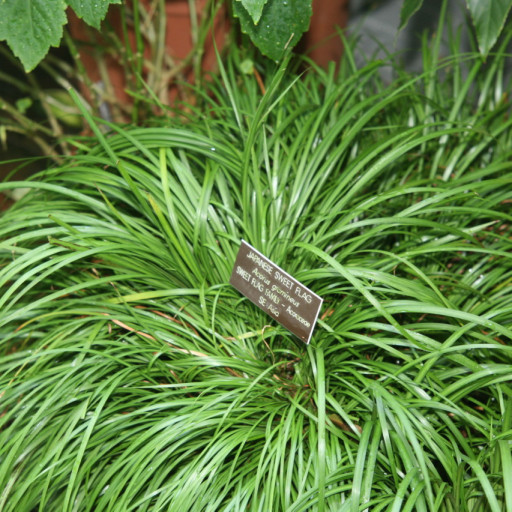
Plant Overview
Known affectionately as the Japanese Sweet Flag, this elegant, grass-like perennial is a favorite for water-gardeners and those with perpetually damp garden "trouble spots." Native to the wetlands of East Asia, it creates lush, tufted mounds that look like ornamental grass but are actually more closely related to lilies. Its most enchanting secret is revealed only when you brush against it: a subtle, sweet, citrus-like fragrance released from its crushed leaves.
🔍 How to Identify
- 🎋 The Foliage: Look for narrow, sword-shaped leaves that grow in flat, fan-like arrangements. Unlike true grasses, these leaves are stiff and have a prominent midrib.
- 👐 Growth Habit: It forms dense, low-growing clumps that spread slowly via creeping rhizomes (underground stems), never becoming invasive like some wetland species.
- 🌾 The "Flower": You might miss it! It produces a small, finger-like spike called a "spadix" that is yellowish-green and lacks the showy petals found on most garden flowers.
🏡 In Your Garden
- 💧 The "Wet Feet" Rule: This plant is a true semi-aquatic. While most plants rot in standing water, the Sweet Flag thrives in it. It is the perfect choice for the edge of a pond or a "rain garden" where water naturally collects.
- 🌞 Light & Scorch: In cooler climates, it loves full sun, but in hotter regions, the tips of the leaves will turn brown and "burnt" if it doesn't get afternoon shade. It is a "Goldilocks" plant—it wants its roots wet and its leaves cool.
- ✂️ Maintenance: It is semi-evergreen. Instead of cutting it to the ground in winter, simply "comb" through the plant with your fingers in spring to remove old, brown leaves to make room for new growth.
⚠️ Safety & Toxicity
- 🐾 Low to Moderate Risk: While not considered "deadly," the plant contains oils (asarone) that can cause stomach upset if ingested by curious cats or dogs.
- 🤚 Skin Sensitivity: Some gardeners find that the sap from broken rhizomes can cause mild skin irritation. It’s always a good idea to wear gloves if you are dividing the clumps.
✨ Fun Fact
In traditional Japanese culture, the Sweet Flag has been used for centuries during the "Tango no Sekku" (Children's Day) festival. The leaves were placed in bathwater to promote health and ward off evil spirits, thanks to their refreshing, medicinal scent!

Detailed Care Instructions
| Color | Greenish-Yellow (Not Showy) |
| Soil Ph | 6.5-7.5 |
| Humidity | Normal |
| Lighting | Part Sun |
| Toxicity | Poisonous |
| Soil Type | Moist To Wet, Variety Of Types |
| Bloom Time | Spring |
| Difficulty | Easy |
| Plant Type | Herbaceous Perennial, Rhizome |
| Mature Size | 3 In. To 3 Ft. Tall, 6 In. To 2 Ft. Wide |
| Native Area | Japan, China |
| Temperature | 14°C - 30°C |
| Sun Exposure | Full Sun To Part Shade |
| Hardiness Zones | 6-9 |
To grow Acorus gramineus, also known as Japanese sweet flag or variegated sweet flag, follow these steps:
- Choose the right location: Acorus gramineus prefers partial shade or filtered sunlight. It can tolerate full sun but may need more frequent watering in such conditions. Ensure there is well-draining soil, preferably rich in organic matter.
- Prepare the soil: Loosen the soil and remove any weeds or rocks. Amend the soil with organic matter like compost or well-rotted manure to improve fertility and drainage.
- Propagation: Acorus gramineus can be propagated through division or from seeds. Division is the easiest and most common method. Dig up an established clump in spring or fall, split it into smaller sections, and replant them individually.
- Planting: Dig a hole slightly wider and deeper than the root ball. Place the plant in the hole, ensuring the crown is level with the soil surface. Backfill the hole with soil, gently pressing it down around the roots. Water thoroughly.
- Watering: Keep the soil consistently moist but not waterlogged. Water deeply, allowing the top inch or two of soil to dry out between waterings. During hot, dry spells, provide additional watering.
- Mulching: Apply a layer of organic mulch, such as bark chips or straw, around the planted area. Mulch helps retain moisture and suppress weed growth.
- Fertilization: While Acorus gramineus doesn't require heavy feeding, you can apply a slow-release fertilizer in early spring to promote healthy growth. Follow the package instructions for proper dosage.
- Pruning: Acorus gramineus doesn't require extensive pruning. However, you can trim back any dead or damaged leaves to maintain its appearance. Trim the foliage to ground level in late fall or early spring to encourage new growth.
- Pests and diseases: Acorus gramineus is generally pest and disease resistant. However, keep an eye out for common issues like aphids and slugs. Apply appropriate organic pest control methods if necessary.
- Winter care: Acorus gramineus is cold hardy and can survive winters in USDA hardiness zones 5-10. In colder regions, mulch around the plants in late fall to protect the roots from freezing temperatures.
By following these steps, you can successfully grow Acorus gramineus and enjoy its attractive foliage in your garden or landscape.

Place in a dark room with little light, like a dark bedroom or a spot far away from a window or directly in a north-facing window.

To water this plant, it is important to use room temperature, filtered water. Overwatering should be avoided as it can cause root rot and other issues. The soil should be allowed to dry slightly between waterings to ensure proper drainage and prevent waterlogged roots. When watering, it is best to water at the base of the plant and avoid getting water on the foliage. To prevent any mineral buildup in the soil, it is recommended to use distilled or rainwater for watering.
To fertilize this plant, first make sure it is well-watered. Then, apply a balanced, slow-release fertilizer in the spring and again in the summer. Be sure to follow the manufacturer's instructions for dosage and application method. Do not fertilize in the fall or winter, as the plant needs time to prepare for dormancy.
To successfully grow the plant known as Acorus gramineus, it is important to choose the appropriate soil. This plant prefers moist, well-draining soil that is high in organic matter. A mixture of peat moss and composted bark is a good choice, as it will provide both the necessary nutrients and water retention the plant needs. You may also consider adding sand to the soil mixture to improve drainage. It is important to maintain a consistently moist soil environment for optimal growth. Avoid using heavy or clay soils, as these can cause root rot and other problems for the plant.
Propagation of this plant can be done through division or through plantlets. To propagate through division, the clump of the plant should be carefully dug up and separated into smaller sections, taking care to ensure each section has roots and healthy foliage. These smaller sections can then be replanted in pots or directly into the soil.
Propagation through plantlets involves waiting for the plant to produce small offsets, or mini-plants, around the base of the mother plant. These can be carefully removed and planted in their own container or in the soil.
Propagation should be done in the spring, when the plant is actively growing and has the best chance of establishing itself. It is important to keep the newly propagated plants well-watered and in a suitable location with the appropriate levels of sunlight and soil moisture.








