Plant Overview
Known as a "living sculpture" among succulent collectors, Adenia glauca is a mesmerizing caudiciform plant from the rocky terrains of South Africa and Botswana. Often referred to simply as the "Glaucous Adenia," it is beloved for its swollen, bottle-like base that looks like a smooth river stone transformed into a tree. In the wild, it acts as a master of survival, tucking its "fat" trunk behind boulders to stay cool while its vines reach for the sun.
🔍 How to Identify
- 🪵 The Caudex: A smooth, swollen green-to-grey base that stores water. In young plants, it looks like a green onion, but it eventually expands into a massive, woody "bulb" that can reach over a foot in diameter.
- 🍃 Hand-Shaped Leaves: The foliage is deeply lobed, usually with five distinct "fingers," and carries a beautiful matte, blue-green (glaucous) tint that helps reflect intense sunlight.
- 🧗 Vining Habit: From the top of the heavy base, thin, twining stems emerge, eager to climb nearby structures or other plants using delicate tendrils.
🏡 In Your Garden
- ☀️ The Sun-Shade Balance: This plant plays a double game. While the green vines love basking in bright light, the sensitive skin of the swollen caudex can actually suffer from "sunburn" if exposed to harsh, direct afternoon rays too quickly. It prefers its base in the shade and its "head" in the sun.
- 💤 Respecting the Nap: Adenia glauca is a deciduous sleeper. When temperatures drop in winter, it will yellow and drop its leaves. This is your signal to stop watering almost entirely; the plant is living off its internal reservoir, and extra moisture during dormancy is the leading cause of root rot.
- 🏺 Pot Selection: Because it develops a significant taproot and a heavy base, it thrives best in deep, heavy ceramic pots that won't tip over as the plant becomes top-heavy with age.
⚠️ Safety & Toxicity
- 🚫 Toxic Status: High. Like many members of its family, Adenia glauca contains cyanogenic glycosides. It is not safe for consumption in any capacity.
- 🐾 Pets & Children: All parts of the plant—leaves, sap, and roots—are poisonous if ingested. Keep this specimen on a high shelf or in a protected greenhouse area away from curious pets and toddlers. The sap may also cause mild skin irritation for those with sensitive skin.
✨ Fun Fact
🦋 A Poisonous Partnership: In the wild, Adenia glauca is a favorite snack for the larvae of certain Acraea butterflies. These clever caterpillars eat the toxic leaves and store the plant's poison in their own bodies, making the butterflies themselves toxic to birds and other predators!

Detailed Care Instructions
To grow Adenia Glauca, also known as the Desert Rose, you can follow these steps:
- Climate and location: Adenia Glauca thrives in warm and arid climates. It requires full sunlight exposure and prefers well-draining soil. If you live in a colder climate, you can grow it indoors or in a greenhouse.
- Soil: Use a well-draining soil mix made up of equal parts potting soil, perlite, and sand. This will prevent waterlogged conditions and promote root health.
- Propagation: Adenia Glauca can be propagated from seeds or stem cuttings. If using seeds, soak them in warm water overnight before sowing. The seeds should be planted about 1 inch (2.5 cm) deep in the soil mix. Keep the soil lightly moist until the seeds germinate, which can take several weeks. If using stem cuttings, allow the cut ends to dry for a day or two before planting them.
- Watering: Adenia Glauca is a succulent plant that stores water in its stems, so it is important not to overwater. Water the plant thoroughly, allowing the soil to dry out completely before watering again. During the winter months, reduce watering frequency as the plant enters a state of dormancy.
- Fertilization: Use a balanced, slow-release fertilizer once a month during the growing season (spring and summer). Follow the package instructions for dosage. Alternatively, you can use a diluted liquid fertilizer every two to four weeks.
- Pruning: Adenia Glauca may benefit from occasional pruning to remove dead or damaged branches. This will promote new growth and maintain a neat appearance. Pruning is best done during the dormant period in winter.
- Pest and disease control: Adenia Glauca is generally a hardy plant, but it can be susceptible to mealybugs and spider mites. Regularly inspect the plant for any signs of pests and take appropriate actions, such as using insecticidal soap or a mixture of water and mild dish soap to control them.
Remember to research additional care requirements specific to your location and adjust accordingly. With proper care, your Adenia Glauca plant should thrive and grow over time.

Place in a window with dappled sun or a spot in the middle of a room. Or directly in a window facing west or east.
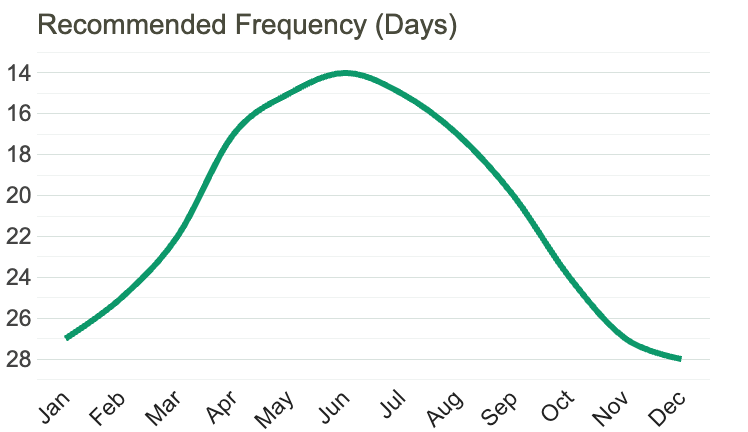
To water this plant, it is important to first assess the soil moisture level. This can be done by inserting a finger into the soil to feel for moisture. If the soil feels dry to the touch, it is time to water.
When watering, pour water at the base of the plant, avoiding getting water on the leaves or stem. Use a watering can or hose with a gentle spray nozzle to apply water slowly and evenly. Allow the water to soak into the soil thoroughly.
It is important not to overwater this plant as it can lead to root rot. Allow the top inch of soil to dry out before watering again. The frequency of watering will depend on factors such as temperature, humidity, and soil type, but generally, once a week is sufficient.
During the winter months, when the plant is dormant, water sparingly, allowing the soil to dry out completely between waterings.
To fertilize this plant, use a fertilizer with a balanced ratio of nitrogen, phosphorus, and potassium, such as a 10-10-10 or 20-20-20 formula. Apply the fertilizer once a month during the growing season, from spring to fall. Use half the recommended amount of fertilizer to avoid overfertilization. Mix the fertilizer with water and apply it to the soil around the base of the plant. Avoid getting fertilizer on the leaves or stem, as it could cause damage. Water the plant thoroughly after fertilizing to ensure the nutrients are absorbed by the roots.
The ideal soil for Adenia Glauca plant would be one that is well-draining and slightly acidic with a pH level of around 5.5 to 6.5. The soil should be nutrient-rich and porous, allowing for adequate airflow and drainage. A mixture of sandy, loamy soil with perlite or vermiculite would be suitable for this plant. Adding organic matter such as leaf mold, compost, or sphagnum moss to the soil can also help improve its texture and fertility. It is important to avoid using heavy, clay soils or soils that retain too much moisture as this can cause root rot and other problems.
Adenia Glauca plant can be propagated through seeds. Before planting the seeds, scarification is recommended to increase the germination rate. Scarification involves scratching the surface of the seed coat to allow water to enter and germination to occur. This can be done using sandpaper or a small file.
After scarification, the seeds can be planted in a well-draining soil mix and kept in a warm and humid environment. The soil should be kept moist, but not waterlogged. It may take several weeks or even months for the seeds to germinate.
Alternatively, Adenia Glauca plant can be propagated through stem cuttings. Cut a stem from the parent plant, making sure to include a few nodes. Allow the cut end to callus over for a few days before planting it in a well-draining soil mix. Water the soil lightly and keep the cutting in a warm and humid environment. Roots and new growth should appear within a few weeks.
It is important to note that Adenia Glauca plant is toxic to humans and animals if ingested. Take precautions when handling the plant and keep it out of reach of children and pets.
Common pests of the elephant's foot include Mealybugs, spider mites, aphids. Make a habit of checking your elephant's foot frequently for pests so that any infestations can be caught and managed early.