Plant Overview
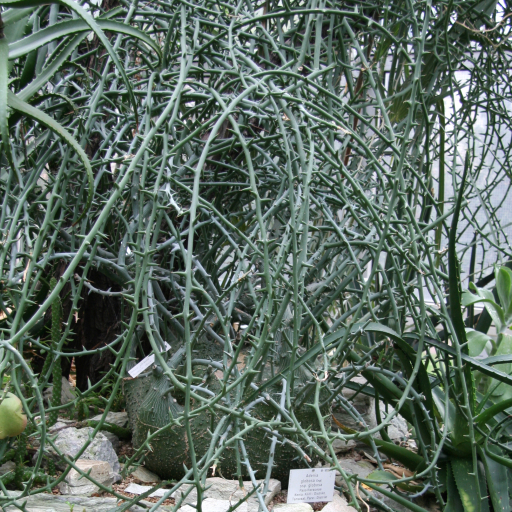
Often resembling a lumpy green boulder or a prehistoric alien egg, Adenia globosa is a prized centerpiece for succulent collectors. Native to the dry scrublands of East Africa, this "caudiciform" plant develops a massive, swollen trunk that stores water for survival in harsh climates. It’s a slow-growing marvel that brings a dramatic, architectural silhouette to any sun-drenched windowsill.
🔍 How to Identify
- 🟢 The Caudex: The most striking feature is its large, globose (spherical) green trunk, which can grow quite large and often features a wrinkled, warty texture similar to a thick-skinned gourd.
- ⚔️ Spiny Branches: From the top of the "boulder," thin, tangled green vines emerge, heavily armed with sharp, stiff thorns that can reach up to several inches in length.
- 🍃 Minimalist Leaves: It produces tiny, heart-shaped leaves that are often temporary; the plant frequently drops them to conserve moisture, relying on its green stems and trunk to photosynthesize.
🏡 In Your Garden
- ☀️ Sun-Drenched Living: While the vines love to reach for the brightest sun available, the main "boulder" (caudex) can actually get sunburned in extreme heat. In a home setting, bright indirect light is safest to keep the green skin vibrant.
- 🏜️ The "Dry Feet" Rule: Because it is a desert specialist, it is extremely prone to rot. It requires a very gritty, porous soil mix (think lava rock and pumice) and should only be watered when the soil is bone-dry.
- 💤 Winter Dormancy: During the colder months, the plant will likely stop growing and may drop its leaves. It is vital to stop watering almost entirely during this phase to prevent the roots from melting.
⚠️ Safety & Toxicity
- ☣️ Highly Toxic: Like many members of the Passifloraceae family, Adenia globosa contains cyanogenic glycosides. The sap and all parts of the plant are poisonous if ingested.
- 🐾 Keep Away from Pets: This is not a pet-friendly plant. If chewed by a curious cat or dog, it can cause severe respiratory distress or worse.
- 🧤 Pruning Precautions: Always wear gloves when handling or pruning, as the sap can cause skin irritation, and the thorns are sharp enough to puncture skin easily.
✨ Fun Fact
In its native habitats of Kenya and Tanzania, Adenia globosa is considered a long-lived giant of the desert; some specimens in the wild are estimated to be well over 100 years old, surviving decades of drought by sipping slowly from their massive internal water reservoirs.

Detailed Care Instructions
To grow Adenia globosa plants, you can follow these steps:
- Choose a suitable location: The Adenia globosa plant is native to tropical and subtropical regions, so it requires warm temperatures and plenty of sunlight. Select a location that receives at least 6-8 hours of direct sunlight per day.
- Prepare the soil: Adenia globosa plants prefer well-draining soil. Prepare the soil by adding organic matter, such as compost or well-rotted manure, to improve drainage and fertility. Make sure the soil pH is around 6.5-7.5, which is slightly acidic to neutral.
- Propagation: Adenia globosa can be propagated from seeds or stem cuttings. If using seeds, soak them in warm water for 24 hours before planting. Sow the seeds in seed-starting mix or well-draining soil, and keep them moist until germination occurs (which may take several weeks). If using stem cuttings, take a 6-8 inch (15-20 cm) cutting from a healthy plant and let it dry for a few days before planting.
- Planting: Plant the seeds or stem cuttings in a prepared pot or directly in the ground if the climate permits. Ensure the planting depth is appropriate for the size of the cutting or seed – typically around 1-2 inches (2.5-5 cm) deep. Space multiple plants at least 3-4 feet (1-1.2 meters) apart.
- Watering: Adenia globosa plants prefer regular watering, especially during the growing season. Water deeply when the top inch (2.5 cm) of soil feels dry, but avoid overwatering as it may cause root rot. Allow the soil to slightly dry out between watering sessions.
- Fertilizing: Fertilize the plant with a balanced fertilizer, such as a 10-10-10 or 20-20-20 formula. Apply the fertilizer according to the instructions on the package, usually about once a month during the growing season.
- Pruning: Prune the plant to encourage bushier growth and to remove any dead or diseased branches. Adenia globosa plants tend to develop long vine-like stems, so regular pruning can help maintain a more compact shape.
- Support: If the plant is growing as a vine, provide a trellis or other support structure for it to climb on. Secure the stems gently to the support to prevent damage.
- Protection: Adenia globosa is not frost-tolerant, so if you live in a colder climate, it's best to grow it in a container that can be moved indoors during the winter months. In warmer regions, protect the plant from extreme heat, strong winds, and heavy rains.
- Monitoring pests and diseases: Monitor the plant for any signs of pests or diseases, such as aphids, mealybugs, or fungal infections. Treat any issues promptly with appropriate organic or chemical solutions.
With proper care and attention, your Adenia globosa plant should grow and thrive.

Place in a bright room that is sun drenched almost all day. Or directly in a south-facing window.

Adenia Globosa is a succulent plant that requires minimal watering. The best time to water the plant is when the top layer of soil is dry to the touch. This helps avoid overwatering, which can cause the plant to rot. It is recommended to water deeply but infrequently to promote healthy root growth. When watering, it is important to avoid getting water on the leaves or stem, as this can cause damage or even fungal issues. Additionally, it is best to use room temperature or tepid water and allow any excess to drain away from the plant's container. Finally, during the winter months, it is recommended to reduce watering frequency as the plant goes dormant.
To fertilize this plant, prepare a balanced fertilizer with equal parts nitrogen, phosphorus, and potassium. Apply this fertilizer once every two weeks during the growing season, which is typically from spring to fall. Avoid fertilizing during the winter months when the plant is dormant. When applying the fertilizer, be sure to water the plant thoroughly before and after to avoid causing root burn. Also, make sure to distribute the fertilizer evenly around the base of the plant and avoid getting any on the leaves or stem.
Adenia Globosa plants prefer a well-draining soil mix that is slightly acidic in nature with a pH between 5.5 to 6.5. A mixture of sand, perlite, and organic matter such as coconut coir or peat moss is ideal. The soil should be loose and airy, allowing for water to drain freely and roots to breathe. The addition of fertilizer at the time of planting is recommended to aid in the establishment of the plant. It is important to avoid overwatering the plant as it can lead to root rot, and to allow the soil to dry out slightly between waterings.
Adenia Globosa plant can be propagated through various methods including seed propagation, stem cuttings, layering, and grafting.
Seed propagation: Collect the seeds from a healthy and mature plant in the fall season. Clean and soak the seeds in lukewarm water for 24 hours. Then, plant the seeds in a well-draining potting mix, and keep the container in a warm and moist place for germination. It may take several weeks for the seeds to germinate.
Stem cuttings: Take stem cuttings from a healthy and mature plant, making sure that each cutting has at least two nodes. Let the cuttings dry for a few hours and then plant them in well-draining soil. Keep the soil moist and place the cuttings in a warm and humid place until they start growing.
Layering: Select a long and flexible stem of your Adenia Globosa plant and gently bend it towards the soil. Make a shallow cut in the stem and cover it with soil. Keep the soil moist and wait for the roots to develop from the cut area. Once the roots have developed, cut the new plant away from the mother plant and plant it in a separate pot.
Grafting: Grafting is a more complicated method of propagation and requires expertise. It involves combining a section of the Adenia Globosa plant with the rootstock of another plant of the same family. The rootstock provides the plant with a better root system, while the original plant provides certain desirable traits.
Performing these propagation methods can be rewarding, but it’s essential to take the necessary precautions to ensure success.








