Plant Overview
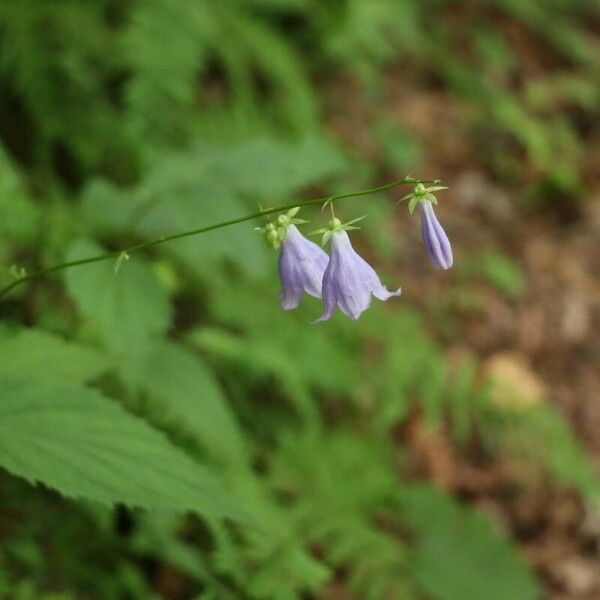
Known as the Remote-flowered Lady Bell, this elegant perennial is a hidden gem of the East Asian woodlands. While it looks like a refined version of the common garden bellflower, it carries a wild, airy grace that makes it a favorite for "moonlight gardens" due to how its pale violet bells seem to glow at dusk. In its native habitats of Korea, Japan, and China, it is often found swaying on misty mountain slopes, earning it a reputation as a symbol of quiet resilience.
🔍 How to Identify
- 🔔 The Blooms: Features delicate, nodding, bell-shaped flowers that are usually a pale violet or lavender. Unlike some cluster-heavy species, these are "remote" (spaced out) along a tall, slender stalk.
- 🍃 The Foliage: The leaves are typically heart-shaped or ovate with sharply serrated (saw-toothed) edges. They grow in an alternate pattern up the stem, often appearing lush and vibrant green.
- 📏 The Stature: It can reach impressive heights of 30 to 100 cm. The stems are sturdy but thin, giving the plant a "see-through" quality that blends beautifully into wilder landscape designs.
🏡 In Your Garden
- 🏺 The Taproot Rule: This plant develops a deep, carrot-like taproot early in its life. Because of this, it absolutely hates being moved once established. Choose its "forever home" carefully—somewhere with rich, well-draining soil and partial shade.
- 🌤️ Light and Air: While it loves the cool of the shade, it needs good air circulation to prevent powdery mildew. It’s the perfect companion for ferns and hostas, thriving in the dappled light beneath a deciduous tree canopy.
⚠️ Safety & Toxicity
- 🐾 Pet & Child Safety: Adenophora remotiflora is generally considered non-toxic to humans and is not listed as a high-risk plant for pets. However, it is always best to discourage cats or dogs from munching on garden plants to avoid digestive upset.
- 🥗 Historical Context: In some cultures, the thick roots of the Lady Bell are used in traditional medicine or even steamed as a root vegetable. However, never consume a plant from your garden unless you are 100% certain of its identity and that it hasn't been treated with chemicals.
✨ Fun Fact
In Korea, the plant is known as Sanchorong (Mountain Lantern). The name comes from a charming old belief that the nodding flowers look like tiny lanterns used by mountain spirits to find their way through the forest at night.

Detailed Care Instructions
Growing Adenophora remotiflora, also known as Ladybells or Chinese bellflower, can be a rewarding endeavor as they produce lovely blue to purple bell-shaped flowers. Here are some steps to help you cultivate this plant:
1. Choose the Right Location:
- Light: Adenophora remotiflora prefers full sun to partial shade. Choose a spot in your garden that receives at least 4-6 hours of sunlight per day.
- Soil: The plant thrives in well-drained soil that is rich in organic matter. A slightly acidic to neutral pH level (6.0-7.0) is ideal.
2. Prepare the Soil:
- Amend the Soil: If your soil is heavy clay or too sandy, amend it with compost or well-rotted manure to improve its texture and fertility.
- Drainage: Ensure that the planting site has good drainage. Poorly drained soil can lead to root rot.
3. Planting Seeds or Transplants:
- Seeds: You can start Adenophora remotiflora from seeds. Sow them indoors 6-8 weeks before the last expected frost. Lightly press the seeds into the soil surface but do not cover them, as they need light to germinate. Maintain a temperature of about 70°F (21°C).
- Transplants: If you get young plants or seedlings, plant them outdoors once the danger of frost has passed. Space them about 12-18 inches apart to allow room for growth.
4. Watering:
- Watering: Keep the soil consistently moist but not waterlogged. Water the plants deeply once or twice a week, depending on weather conditions. Reduce watering frequency during periods of heavy rainfall.
- Mulch: Apply a layer of mulch around the plants to help retain soil moisture, suppress weeds, and maintain an even soil temperature.
5. Fertilizing:
- Fertilizer: Feed Adenophora remotiflora with a balanced, slow-release fertilizer in the spring as new growth begins. You can also use a liquid fertilizer every 4-6 weeks during the growing season.
6. Maintenance:
- Deadheading: Remove spent flowers to encourage more blooms and extend the flowering period.
- Pruning: Cut back the stems to ground level in late fall after the plant has finished flowering and the foliage has died back. This helps prepare the plant for the next growing season.
7. Pest and Disease Control:
- Pests: Watch for common garden pests like aphids and slugs. Use appropriate natural or chemical controls if needed.
- Diseases: Adenophora remotiflora is relatively disease-resistant, but ensure good air circulation around the plants to prevent fungal diseases.
8. Overwintering:
In regions with severe winters, mulch heavily around the base of the plant in late fall to protect the roots from freezing temperatures. In milder climates, this may not be necessary.
Additional Tips:
- Propagation: You can also propagate Adenophora remotiflora by division. Carefully dig up the plant in early spring or late fall and separate the clumps, then replant them immediately.
By following these steps, you should be able to successfully grow and enjoy the beautiful blooms of Adenophora remotiflora in your garden.

Place in a bright room that is sun drenched almost all day. Or directly in a south-facing window.

Watering *Adenophora remotiflora* effectively involves understanding its native environment and replicating those conditions. Here are the key details for proper watering:
1. Consistency: This plant prefers consistently moist but well-drained soil. Allow the top inch of the soil to dry out between waterings, but avoid letting the soil become completely dry or waterlogged.
2. Frequency: During the growing season (spring through early fall), water regularly to keep the soil evenly moist. In the dormant season (late fall through winter), reduce watering frequency but do not let the soil dry out completely.
3. Watering Method: Water at the base of the plant to ensure moisture reaches the root zone directly. Avoid overhead watering to minimize the risk of fungal diseases.
4. Time of Day: Water early in the morning or late in the afternoon. This allows the plant to absorb moisture before the heat of the day and reduces evaporation losses.
5. Water Quality: Use room-temperature water whenever possible. If you use tap water, it's a good idea to let it sit for 24 hours to dissipate chlorine or use filtered water to avoid potential buildup of salts or chemicals.
6. Mulching: Apply mulch around the base of the plant to help retain soil moisture and regulate temperature. Organic mulches like bark or compost work well.
7. Soil Type: Ensure the soil is well-draining. A mix of loamy soil with some organic matter is ideal. If the soil is heavy clay, consider amending it with sand or perlite to improve drainage.
8. Humidity: If you live in a particularly dry climate, you might also want to mist the plant occasionally or use a humidity tray to maintain ambient moisture levels.
Regularly monitoring the plant and adjusting your watering schedule based on weather conditions, soil moisture levels, and the specific needs of the plant will help keep your *Adenophora remotiflora* healthy and thriving.
Here are the fertilizing instructions for Adenophora remotiflora:
- Soil Preparation: Before planting, enrich the soil with organic compost to provide a nutrient-rich foundation.
- Type of Fertilizer: Use a balanced, water-soluble fertilizer with an NPK ratio of 10-10-10. Organic options like compost tea or fish emulsion are also beneficial.
- Timing:
- Spring: Begin fertilizing in early spring when new growth starts to appear. This is the key period for giving your plant the nutrients it needs for optimal growth.
- Summer: Continue to fertilize every 4-6 weeks throughout the growing season.
- Fall: Stop fertilizing in early fall to allow the plant to harden off before winter.
- Spring: Begin fertilizing in early spring when new growth starts to appear. This is the key period for giving your plant the nutrients it needs for optimal growth.
- Application:
- Liquid Fertilizer: Mix the water-soluble fertilizer as per the package instructions and apply it directly to the soil around the plant. Avoid applying on leaves to prevent burning.
- Granular Fertilizer: If using slow-release granules, sprinkle them evenly around the base of the plant and lightly work them into the soil.
- Liquid Fertilizer: Mix the water-soluble fertilizer as per the package instructions and apply it directly to the soil around the plant. Avoid applying on leaves to prevent burning.
- Watering: Always water the plant thoroughly after applying fertilizer to help distribute the nutrients to the roots and to prevent root burn.
- Observations: Monitor your plant for signs of over-fertilization, such as yellowing leaves, burnt leaf edges, or stunted growth. If any of these symptoms appear, flush the soil with plenty of water to remove excess fertilizer.
Following these steps should help ensure healthy growth for your Adenophora remotiflora plant.
Adenophora remotiflora thrives best in well-draining soil with a slightly acidic to neutral pH, typically ranging from about 6.0 to 7.0. Here's a more detailed breakdown of its soil preferences:
- Soil Composition: While it can adapt to various soil types, a loamy soil blend is ideal. The soil should be rich in organic matter; incorporating compost or well-rotted manure can enhance its fertility and structure.
- Drainage: Proper drainage is crucial to prevent root rot, a common issue in poorly drained conditions. Adding sand or perlite can improve aeration and drainage, particularly in heavier clay soils.
- Moisture Retention: Although good drainage is vital, the soil should also retain enough moisture to keep the plant hydrated. Using organic mulch on top of the soil can help maintain an optimal moisture level and reduce the need for frequent watering.
- Nutrient Content: Fertile soil with balanced nutrients supports healthy growth. A slow-release, balanced fertilizer or a regular application of an all-purpose garden fertilizer during the growing season can be beneficial. Make sure to follow the manufacturer's instructions to avoid over-fertilizing, which can harm the plant.
- Preparation: Before planting, prepare the soil by loosening it to a depth of about 12 to 15 inches. Mix in organic materials and any necessary amendments to adjust the pH and improve nutrient content and structure.
By providing Adenophora remotiflora with these optimal soil conditions, you can ensure it grows vigorously and healthily.
Adenophora remotiflora, a perennial herbaceous plant known for its elegant bell-shaped flowers, can be propagated through multiple methods such as seed propagation and vegetative division. Here’s a detailed guide on how to propagate this plant through these methods:
Seed Propagation
- Seed Collection:
- Collect seeds from mature plants once the flowers have faded and seed pods have formed and dried. Ensure the seeds are fully ripe for better germination rates.
- Collect seeds from mature plants once the flowers have faded and seed pods have formed and dried. Ensure the seeds are fully ripe for better germination rates.
- Seed Preparation:
- Clean the seeds by removing them from the dried seed pods and discarding any chaff or debris.
- Store the seeds in a cool, dry place until you are ready to sow them.
- Clean the seeds by removing them from the dried seed pods and discarding any chaff or debris.
- Sowing Seeds:
- Fill a seed tray or small pots with a well-draining seed-starting mix.
- Moisten the soil thoroughly.
- Scatter the seeds over the surface and lightly press them into the soil, but do not cover them completely with soil as they require light for germination.
- Cover the tray or pots with a transparent plastic lid or a plastic wrap to create a humid environment.
- Fill a seed tray or small pots with a well-draining seed-starting mix.
- Germination:
- Place the seed tray in a warm, bright location, avoiding direct sunlight.
- Maintain consistent moisture in the soil by misting as needed.
- Seeds typically germinate within 2-4 weeks. Once seedlings appear, remove the plastic cover.
- Place the seed tray in a warm, bright location, avoiding direct sunlight.
- Transplanting:
- When the seedlings have developed a couple of true leaves and are sturdy enough to handle, transplant them into individual pots or directly into the garden.
- Choose a location with partial shade to full sun and well-drained soil.
Vegetative Division
- When the seedlings have developed a couple of true leaves and are sturdy enough to handle, transplant them into individual pots or directly into the garden.
- Plant Preparation:
- The best time to divide the plant is in early spring before the growth spurt or in late fall after the blooming season.
- The best time to divide the plant is in early spring before the growth spurt or in late fall after the blooming season.
- Digging Up:
- Carefully dig up the mature plant without damaging the root system.
- Gently shake off excess soil from the roots.
- Carefully dig up the mature plant without damaging the root system.
- Division:
- Use a sharp, sterilized knife or garden spade to divide the clump into smaller sections, ensuring each section has several healthy roots and shoots.
- Discard any old, woody, or damaged parts of the plant.
- Use a sharp, sterilized knife or garden spade to divide the clump into smaller sections, ensuring each section has several healthy roots and shoots.
- Replanting:
- Prepare new planting holes in well-drained soil, spaced appropriately.
- Plant each divided section at the same depth as the original plant.
- Water thoroughly to help the plants settle in.
- Prepare new planting holes in well-drained soil, spaced appropriately.
- Aftercare:
- Keep the soil consistently moist, but not waterlogged, until the plants establish themselves.
- Mulch around the base to retain moisture and suppress weeds.
General Tips
- Keep the soil consistently moist, but not waterlogged, until the plants establish themselves.
- Ensure that your chosen method respects the natural growth habits and seasonal cycles of Adenophora remotiflora for optimal success.
- Regularly check for pests and diseases and take appropriate action to keep the plants healthy.
By following these propagation methods, you can enjoy more of these elegant plants in your garden, contributing to its overall beauty and biodiversity.








