Plant Overview
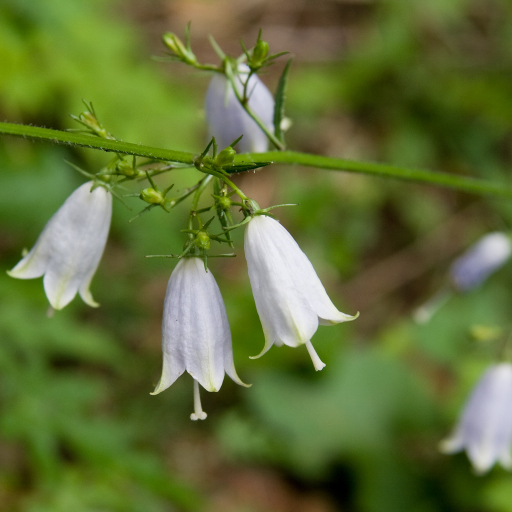
Known as the Three-leaf Ladybell, this graceful perennial is a staple of East Asian mountain meadows and traditional landscapes. Its delicate, nodding bells dance on tall, sturdy stems, earning it a reputation for elegance in "wild-style" or cottage gardens. While it looks fragile, it is a resilient survivor often found clinging to rocky slopes in the wild.
🔍 How to Identify
- 🔔 The Flowers: Numerous small, pale blue to lavender bell-shaped blossoms that hang downward (pendulous) in elegant, airy clusters.
- 🍃 Whorled Leaves: True to its name (triphylla), the pointed, serrated leaves typically grow in distinct circles or "whorls" of three around the central stem.
- 📏 Growth Habit: It features a strictly upright, unbranched stem that can reach heights of 3 to 4 feet, creating a vertical accent in the garden.
🏡 In Your Garden
- 🪵 Taproot Sensitivity: This plant develops a deep, carrot-like taproot. Because of this, it strongly dislikes being transplanted; once you tuck it into the soil, it is best to leave it in its "forever home" to avoid root shock.
- 🦋 Pollinator Magnet: The downward-facing bells are a favorite for long-tongued bees and butterflies, who are perfectly adapted to hover and reach the nectar hidden inside the nodding blooms.
- 🌦️ Moisture Balance: While it enjoys consistent moisture during the growing season, it requires excellent drainage. If the soil remains soggy during its winter dormancy, the crown is prone to rotting.
⚠️ Safety & Toxicity
- 🟢 Generally Safe: There are no known major toxicity concerns for humans or common household pets.
- 🥗 Edible Roots: In East Asian cultures, particularly in Korea and Japan, the thick roots and young spring shoots are harvested and prepared as a "mountain vegetable" (Namul), often pickled or stir-fried.
✨ Fun Fact
In traditional medicine, the dried root of the Ladybell is known as Sae-sam. It has been used for centuries in herbal tonics, believed to soothe the lungs and boost the immune system, much like the more famous Ginseng.

Detailed Care Instructions
Adenophora triphylla, also known as Ladybell, is a perennial plant that is quite attractive and relatively easy to grow. Here's a detailed guide on how to cultivate and care for Adenophora triphylla:
Growing Conditions:
- Climate: Adenophora triphylla is hardy in USDA zones 4-8.
- Soil: Prefers well-draining, loamy soil rich in organic matter. Slightly acidic to neutral pH (6.0-7.0) is ideal.
- Light: Thrives in full sun to partial shade. In hotter climates, some afternoon shade can help protect the plant.
- Water: Keep the soil consistently moist, especially during the growing season. Avoid waterlogging but don't allow the soil to dry out completely.
Planting:
- From Seeds:
- Timing: Sow seeds in late winter to early spring indoors or after the last frost directly in the garden.
- Sowing Indoors:
- Fill seed trays with a seed-starting mix.
- Sow seeds on the surface and cover them lightly with a thin layer of soil.
- Keep the soil moist and place the trays in a warm, bright location.
- Seeds generally germinate within 2-4 weeks.
- Transplant seedlings into the garden when they are large enough to handle and after the danger of frost has passed.
- Fill seed trays with a seed-starting mix.
- Sowing Outdoors:
- Direct sow seeds in the garden after the last frost.
- Lightly cover the seeds with soil and keep the area moist until germination.
- Direct sow seeds in the garden after the last frost.
- Timing: Sow seeds in late winter to early spring indoors or after the last frost directly in the garden.
- From Divisions:
- Timing: Early spring or fall.
- Process: Dig up a mature plant, divide the root clump into smaller sections, and replant them immediately in the desired location.
Plant Care:
- Timing: Early spring or fall.
- Watering: Provide regular water, especially during dry periods. Ensure the soil remains moist but not soggy.
- Mulching: Apply a layer of organic mulch around the base of the plants to conserve moisture, regulate soil temperature, and suppress weeds.
- Fertilizing:
- Apply a balanced, slow-release fertilizer in early spring.
- If the soil is particularly poor, a second application in mid-summer can be beneficial.
- Apply a balanced, slow-release fertilizer in early spring.
- Pruning: Deadhead spent flowers to encourage continuous blooming. Cut back the foliage to the ground after it dies back in late fall.
- Support: Taller varieties may need staking to support their growth and keep them upright.
Pests and Diseases:
- Pests: Generally resistant to most pests. However, keep an eye out for common garden pests like aphids or slugs.
- Diseases: Usually disease-free, but ensure good air circulation around the plants to prevent fungal issues.
Winter Care:
- In colder regions, apply a thick layer of mulch over the root zone in late fall to protect the roots from freezing temperatures.
By following these guidelines, you can successfully grow and enjoy the beautiful blooms of Adenophora triphylla in your garden.

Place in a bright room that is sun drenched almost all day. Or directly in a south-facing window.

Adenophora triphylla, a perennial herbaceous plant in the Campanulaceae family, requires careful watering to thrive. Here’s a detailed guide on how to water this plant effectively:
### Watering Frequency
1. Growing Season: During the active growing season, typically spring and summer, water the plant consistently to keep the soil fairly moist but not waterlogged. This usually means watering the plant once or twice a week, depending on local climate conditions and soil composition.
2. Dormant Season: In the fall and winter, when the plant's growth slows down, reduce the frequency of watering. Allow the soil to dry out more between waterings, generally every 10-14 days.
### Soil and Drainage
1. Soil Type: Use well-draining soil to prevent root rot. A mix of garden soil with some sand or perlite can help improve drainage.
2. Container Drainage: If you're growing the plant in a pot, ensure it has drainage holes. Elevate the pot slightly to allow excess water to escape easily.
### Watering Method
1. Soak and Dry: Water thoroughly until water flows out of the drainage holes. This ensures the roots receive adequate moisture. Allow the soil to dry out partially before the next watering session.
2. Avoid Sprinkling: Water directly at the base of the plant rather than sprinkling water over the leaves, which can promote fungal growth.
### Water Quality
1. Use Rainwater or Distilled Water: If possible, use rainwater or distilled water, as it is free from chemicals such as chlorine and fluoride, which can accumulate in the soil and affect plant health.
2. Temperature: Use room-temperature water to avoid shocking the plant’s roots, especially if the water temperature diverges greatly from the ambient temperature.
### Mulching
1. Mulch Application: Apply a layer of organic mulch around the base of the plant. Mulch helps retain soil moisture, reduce temperature fluctuations, and suppress weed growth.
2. Mulch Thickness: Keep the mulch layer about 2-3 inches thick but ensure it doesn’t touch the plant stem directly to prevent rot.
### Monitoring and Adjustment
1. Check Soil Moisture: Regularly check the soil moisture by inserting your finger about 1-2 inches deep into the soil. If it feels dry at this depth, it’s time to water.
2. Adjust for Climate: Adjust watering practices based on local weather conditions. For instance, during hotter periods, the plant may require more frequent watering.
By following these guidelines, you can ensure that Adenophora triphylla will receive the appropriate amount of water it needs to flourish. Regular monitoring and adjustments based on environmental conditions will help in keeping the plant healthy.
Sure, here are fertilizing instructions for Adenophora triphylla:
- Soil Preparation: Before planting, enrich the soil with well-aged compost or manure. This will provide a good base of nutrients for the plant.
- Initial Fertilization: When planting, you can mix a balanced slow-release fertilizer (e.g., 10-10-10) into the soil where you will be placing the plant.
- Seasonal Feeding:
- Spring: Apply a balanced liquid fertilizer every 4-6 weeks during the growing season. This should be done once the plant shows new growth.
- Mid-Summer: A light application of a balanced slow-release fertilizer can be added mid-season to maintain nutrient levels.
- Spring: Apply a balanced liquid fertilizer every 4-6 weeks during the growing season. This should be done once the plant shows new growth.
- Watering and Fertilization: Always water the plants well before and after applying fertilizer to avoid burning the roots and to help the nutrients penetrate the soil.
- Organic Options: If you prefer organic options, fish emulsion or seaweed extract can be used. These should be applied every 3-4 weeks during the growing season.
- Fall: Reduce the frequency of fertilization as the growing season winds down, and avoid fertilizing as the plant approaches dormancy.
- Special Considerations: Avoid over-fertilizing, especially with high-nitrogen fertilizers, as this can lead to excessive leafy growth at the expense of flowers.
By following these instructions, you can help ensure that your Adenophora triphylla plant receives the nutrients it needs for healthy growth and blooming.
Adenophora triphylla requires well-draining soil to thrive. The soil should be rich in organic matter to provide adequate nutrients and support healthy growth. Here are some specific details:
- Soil Type: Loamy soil is ideal as it balances moisture retention and drainage. Sandy loam or clay loam can also work well as long as they are amended to improve drainage.
- pH Level: Slightly acidic to neutral pH levels, ranging from 6.0 to 7.0, are optimal.
- Organic Matter: Incorporate compost or well-decomposed manure into the soil to boost its nutrient content and structure. This helps in retaining moisture while ensuring good drainage.
- Drainage: Good drainage is crucial to prevent root rot. If planting in an area where drainage might be an issue, consider planting on a raised bed or adding coarse sand or fine gravel to the soil mix.
- Aeration: Ensure the soil is well-aerated to allow roots to breathe. Avoid compacted soils, which can hinder root development and water drainage.
- Moisture: Keep the soil consistently moist but not waterlogged. This plant prefers soil that remains evenly moist, especially during the growing season.
- Mulching: Applying a mulch layer can help retain soil moisture, regulate temperature, and prevent weed growth. Organic mulch such as bark chips or straw is beneficial.
By following these guidelines, you can create the optimal soil environment for Adenophora triphylla, facilitating robust growth and vibrant flowers.
Propagating Adenophora triphylla can be rewarding as it allows you to increase the number of plants for your garden. Here are detailed steps to propagate it:
1. Seed Propagation
- Seed Collection: Collect seeds from the plant once the seed pods have matured and dried but before they open and disperse the seeds naturally.
- Seed Preparation:
- Clean the seeds by removing any debris.
- Some gardeners suggest stratifying seeds by storing them in a refrigerator for 4-6 weeks to mimic winter conditions and improve germination rates.
- Clean the seeds by removing any debris.
- Sowing:
- Fill seed trays or small pots with a well-draining potting mix.
- Sow seeds on the surface of the soil and lightly press them down, as the seeds need light to germinate.
- Water gently to moisten the soil without washing away the seeds.
- Fill seed trays or small pots with a well-draining potting mix.
- Germination:
- Keep the soil consistently moist but not waterlogged.
- Place the trays or pots in a location with bright, indirect sunlight.
- Seeds typically germinate in 2-4 weeks, although it may take longer in some cases.
2. Division
Division is another effective method, particularly for established plants.
- Keep the soil consistently moist but not waterlogged.
- Timing: Early spring or early autumn is ideal for division.
- Preparation:
- Water the plant thoroughly a day before you plan to divide it to reduce shock.
- Water the plant thoroughly a day before you plan to divide it to reduce shock.
- Division Process:
- Carefully dig up the plant, ensuring you get as much of the root system as possible.
- Gently shake off excess soil to expose the roots.
- Use a sharp knife or spade to divide the plant into smaller sections, each with at least one shoot and a good portion of roots.
- Carefully dig up the plant, ensuring you get as much of the root system as possible.
- Replanting:
- Plant the divisions in their new locations with similar soil conditions and light requirements.
- Water the new plants well after planting and keep the soil consistently moist until they are well-established.
3. Cuttings
While less common, propagation through cuttings can also be attempted.
- Plant the divisions in their new locations with similar soil conditions and light requirements.
- Timing: Late spring or early summer is ideal.
- Selecting Cuttings:
- Choose healthy, non-flowering stems approximately 4-6 inches long.
- Choose healthy, non-flowering stems approximately 4-6 inches long.
- Preparation:
- Remove the lower leaves, keeping a few at the top.
- Optional: Dip the cut ends in rooting hormone to enhance root development.
- Remove the lower leaves, keeping a few at the top.
- Planting:
- Insert the cuttings into a potting mix of perlite and peat moss or any well-draining medium.
- Water the cuttings and cover them with a plastic bag or a propagator lid to retain moisture.
- Insert the cuttings into a potting mix of perlite and peat moss or any well-draining medium.
- Rooting:
- Place the cuttings in indirect sunlight.
- Keep the medium moist and wait for roots to form, usually within 4-6 weeks.
- Place the cuttings in indirect sunlight.
- Transplanting: Once roots are well-established, transplant the cuttings into larger pots or directly into the garden.
Care After Propagation
- Soil: Ensure well-draining soil to prevent root rot.
- Light: Provide partial to full sun based on your climate.
- Watering: Keep the soil consistently moist but not soggy.
- Mulching: Apply a thin layer of mulch around the base to retain soil moisture and regulate temperature.
By following these steps, you can successfully propagate Adenophora triphylla and enjoy more of these plants in your garden.








