Plant Overview
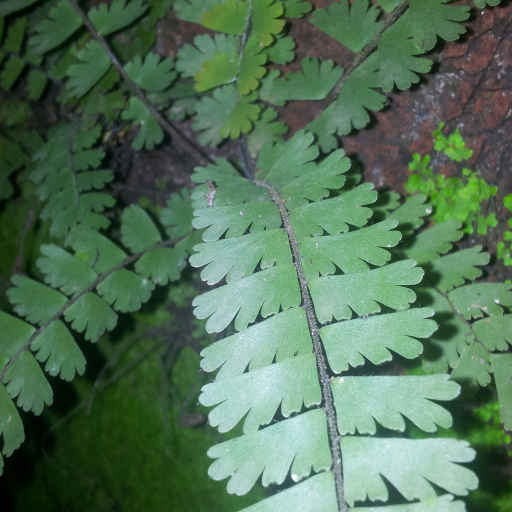
Known affectionately as the "Walking Fern," Adiantum caudatum is a mesmerizing little traveler for your indoor garden. Unlike most ferns that stay put, this species has a clever trick: it grows new plantlets where its long, arching fronds touch the soil, effectively "walking" across its pot or forest floor. Native to the humid limestone crevices of Southeast Asia, it brings a delicate, airy elegance to any shaded corner or hanging basket.
🔍 How to Identify
- 🌿 The Fronds: Long, tapering fronds that are deeply lobed and possess a soft, velvet-like texture compared to other Maidenhair varieties.
- 🌑 The Stems: Characteristic of its genus, the stems are wiry, thin, and a striking dark brown to ebony color, providing a sharp contrast to the green foliage.
- 🧶 The "Walkers": Look for elongated, leafless tips at the ends of the fronds; these are the "runners" looking for a place to root and start a new life.
🏡 In Your Garden
- 💧 Humidity is Key: This fern is a moisture-lover through and through. It struggles in dry air (like near heaters), so it thrives best in a terrarium, a steamy bathroom, or placed atop a pebble tray to keep its delicate leaves from crisping.
- 🪴 Hanging Potential: Because of its trailing and "walking" habit, this plant looks its best in a hanging basket. This allows the fronds to cascade downward naturally, creating a lush, fountain-like appearance as the plantlets dangle in mid-air.
⚠️ Safety & Toxicity
- 🐾 Status: Generally Non-Toxic.
- 👶 Details: Adiantum caudatum is considered safe for both curious pets and children. While it isn't meant for snacking, you don't need to worry if a cat takes a curious nibble of its trailing fronds.
✨ Fun Fact
The "walking" behavior of this fern is a form of vegetative reproduction. In the wild, this allows the plant to quickly colonize rocky cliffs and vertical surfaces where seeds (spores) might have a harder time catching hold!

Detailed Care Instructions
To grow Adiantum caudatum (also known as the maidenhair fern), you can follow these steps:
- Light: Choose a location with bright, indirect light. Avoid direct sunlight as it can scorch the delicate foliage.
- Temperature: Maidenhair ferns prefer a temperature range of 60-75 degrees Fahrenheit (15-24 degrees Celsius). They thrive in high humidity environments, so mist the foliage regularly or place a tray with water nearby to increase moisture in the air.
- Soil: Use well-draining potting soil, such as a mixture of peat moss, perlite, and sand to ensure adequate drainage.
- Watering: Keep the soil consistently moist but not waterlogged. Water the plant when the top inch of soil feels dry. It is essential to maintain a balance of moisture, as both under watering and overwatering can harm the plant.
- Fertilizer: Feed the maidenhair fern with a balanced liquid fertilizer once every four to six weeks during the growing season (spring-fall). Dilute the fertilizer to half the recommended strength and avoid over-fertilizing to prevent damage to the delicate fern fronds.
- Transplanting: If the plant becomes root-bound, gently remove it from its pot and transfer it to a slightly larger container with fresh potting soil. Be careful not to damage the fragile root system during the process.
- Pruning: Regularly remove any dead or yellowing fronds to encourage new growth and maintain the overall appearance of the plant.
- Propagation: Adiantum caudatum can be propagated through division or spores. To propagate by division, carefully separate and pot up the sections with healthy roots. For propagation via spores, collect and sow the spores on top of moist soil, cover with plastic, and keep them in a warm, humid environment until they germinate.
Remember to provide consistent care and monitor the plant for signs of overwatering, underwatering, pests, or diseases. By following these guidelines, you can successfully grow Adiantum caudatum.

Place in a dark room with little light, like a dark bedroom or a spot far away from a window or directly in a north-facing window.
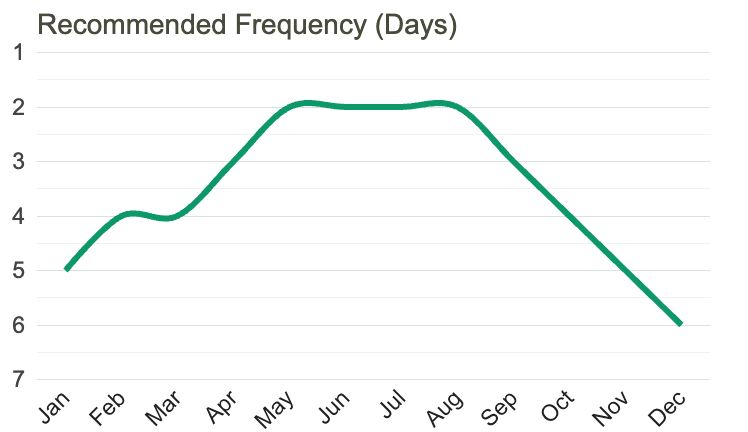
Adiantum Caudatum plant should be watered regularly to keep the soil consistently moist, but not waterlogged. The plant prefers filtered or indirect light and should be kept away from direct sunlight. When watering, it is recommended to use room temperature water and avoid getting water on the leaves as it can cause damage. It is also important to let the soil dry out slightly between watering to prevent overwatering. Regular misting can help increase humidity levels and maintain the plant's moisture.
To fertilize this plant, you should use a water-soluble fertilizer every two to four weeks during the growing season. Dilute the fertilizer according to the instructions on the package and apply it to the soil around the plant. Avoid getting the fertilizer on the leaves, as it can cause burning. Only fertilize when the soil is moist, as fertilizing dry soil can also lead to burning. Gradually reduce fertilization in the winter months when the plant is not actively growing.
The ideal soil for the Adiantum Caudatum plant is a well-draining soil that is rich in organic matter. The pH of the soil should be slightly acidic to neutral, with a range of 5.5 to 7.0. The soil should be loose and airy to allow for proper drainage and root growth. The use of peat moss, perlite, and vermiculite can enhance soil drainage and aeration. Additionally, the soil should be moist but not waterlogged as this can lead to root rot. It is recommended to fertilize the soil with a balanced, water-soluble fertilizer once a month during the growing season for optimal growth and foliage development.
- Take a healthy Adiantum Caudatum plant and identify its fronds or leaves.
- Select a frond or leaf that has at least one live vein and is free of any signs of disease or damage.
- Using a sharp pair of scissors or pruning shears, cut the frond or leaf off the Adiantum Caudatum plant close to the base of the stem.
- Place the frond or leaf in a pot filled with moist fine-grained soil, such as peat moss or vermiculite.
- Press the soil firmly around the base of the frond or leaf and water the pot well.
- Cover the pot with a clear plastic bag or plastic wrap to create a humid environment. Place the pot in a warm and bright location but avoid direct sunlight.
- Check the soil frequently and keep it evenly moist. Do not overwater as this may lead to fungal growth.
- After several weeks, new growth should begin to emerge from the veins of the frond or leaf. Once the new growth is large enough, transplant it into a larger pot with well-draining soil suitable for Adiantum Caudatum plants.
- Care for the new plant as you would any other Adiantum Caudatum plant, providing it with appropriate light, watering, and fertilization.
Common pests of the tailed maidenhair include Spider mites, fungus gnats. Make a habit of checking your tailed maidenhair frequently for pests so that any infestations can be caught and managed early.








