Plant Overview
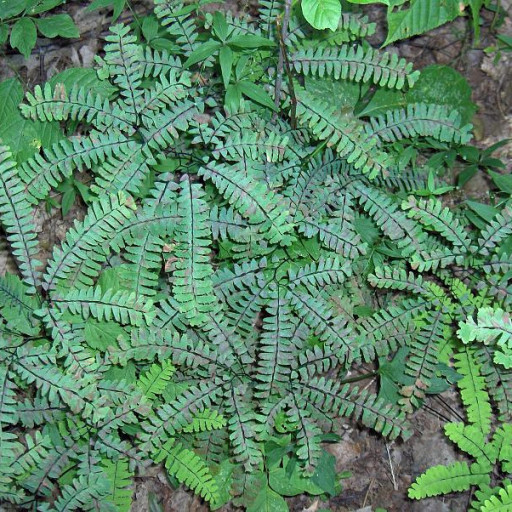
Often referred to as the "Northern Maidenhair Fern" or the "Five-Finger Fern," this delicate woodland beauty looks like something straight out of a Victorian conservatory. Unlike most ferns that grow in upright clumps, Adiantum pedatum spreads its fronds horizontally, creating a floating, emerald-green halo. It is a symbol of elegance in the shade garden, beloved for its airy texture and striking contrast.
🔍 How to Identify
- 🌿 Stems (Stipes): The most distinct feature is the wiry, polished stalks that are a deep ebony or dark burgundy color, looking almost like strands of hair.
- 🖐️ Frond Shape: The fronds branch into two curving arms that fan out in a circular, horseshoe-like pattern, mimicking the shape of a hand with outstretched fingers.
- 🍃 Leaflets (Pinnules): The individual leaflets are delicate, fan-shaped, and a vibrant light green, arranged neatly along the dark stems.
🏡 In Your Garden
- 💧 Moisture Logic: This fern thrives in "humus-rich" soil—think of the damp, spongy floor of an ancient forest. It hates drying out, but if the soil is soggy and heavy, the delicate roots may suffocate.
- 🛡️ Wind Protection: Because the stems are so thin and the fronds are arranged horizontally, they can catch the wind like a sail and snap. Plant it in a sheltered spot near a wall or under larger shrubs.
- 🪵 The Limestone Connection: While many ferns love acidic soil, the Northern Maidenhair often performs better in neutral to slightly alkaline conditions. Adding a bit of leaf mold or compost annually keeps it happy.
⚠️ Safety & Toxicity
- ✅ Status: Non-toxic and safe.
- 🐾 Details: This plant is considered safe for cats, dogs, and children. It is a popular choice for pet-friendly households looking to add a touch of lush greenery to low-light rooms or shaded patios.
✨ Fun Fact
The genus name Adiantum comes from the Greek word "adiantos," which means "unwetted." This refers to the plant's amazing ability to shed water; even during a heavy rainstorm, the foliage remains dry to the touch as the water beads right off!

Detailed Care Instructions
To grow Adiantum pedatum, also known as the maidenhair fern, you can follow these steps:
- Light: Adiantum pedatum prefers indirect, bright light. Place the plant in a location with filtered sunlight, away from direct sunlight that can scorch its delicate fronds.
- Temperature: Maintain a temperature range between 60-75°F (15-24°C), as this fern thrives in moderate to cool temperatures. Avoid exposing it to sudden temperature changes or drafts.
- Humidity: High humidity is crucial for the health of Adiantum pedatum. Mist the plant regularly or place a tray filled with water and pebbles underneath the pot to increase humidity. Alternatively, you can use a humidifier near the plant.
- Watering: Keep the soil evenly moist, but not waterlogged. Allow the top inch of soil to dry out before watering again. If the fronds start to wilt or become crumpled, it's an indication that the plant needs water.
- Soil: Use a well-draining, rich potting mix that retains moisture. Adding peat moss or compost can help maintain the moisture content in the soil.
- Fertilizer: Adiantum pedatum doesn't require much fertilizer. You can apply a balanced, liquid houseplant fertilizer diluted to half strength during the growing season (spring and summer) once a month.
- Potting: Repot the maidenhair fern annually or when it becomes root-bound. Use a pot slightly larger than the current one and ensure it has drainage holes to prevent waterlogging.
- Pruning: Occasionally remove any yellowing or dead fronds from the plant. Trim the fronds at the base using clean scissors or pruning shears.
- Pests and diseases: Watch out for pests like aphids or spider mites. If you notice any pests, gently wipe the leaves with a damp cloth or use an insecticidal soap. Ensure good air circulation around the plant to prevent diseases like leaf spot.
- Overwintering: Adiantum pedatum is deciduous, meaning it may shed its foliage during winter. If the fern goes dormant, reduce watering but don't let the soil dry out completely. Place it in a cool location (50-55°F or 10-13°C) with indirect light until new growth emerges in spring.
Following these guidelines should help you successfully grow Adiantum pedatum and enjoy its delicate and graceful fronds.

Place in a window with dappled sun or a spot in the middle of a room. Or directly in a window facing west or east.
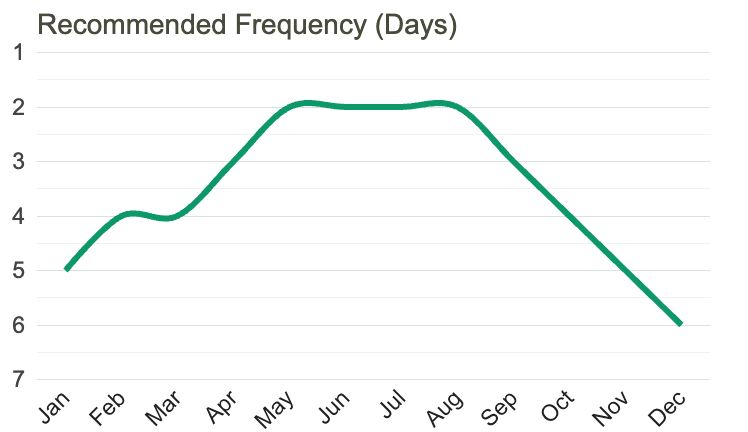
Adiantum Pedatum is a type of plant that requires consistent and moderate watering to thrive. To water this plant effectively, you should first assess the soil moisture level by sticking your finger about an inch into the soil. If the soil feels dry, it's time to water your plant.
When watering, be sure to use filtered or distilled water, as this plant is sensitive to chlorine and other chemicals found in tap water. Pour water slowly and evenly into the soil until it begins to drain out of the drainage holes in the bottom of the pot.
Avoid letting the plant sit in standing water, as this can cause root rot and other issues. Instead, allow the soil to dry out between watering to prevent overwatering.
If the leaves of the plant start to yellow or wilt, it may be a sign of either too much or too little water. Adjust your watering schedule accordingly and monitor the plant's progress to ensure healthy growth.
To fertilize this plant, prepare a balanced fertilizer with equal levels of nitrogen, phosphorus, and potassium. Dilute the fertilizer according to the package instructions and apply it to the soil around the plant during the growing season. Avoid over-fertilizing as this can cause damage to the plant. Alternatively, you may use organic fertilizers such as compost or well-rotted manure. Apply a thin layer of the organic fertilizer on the soil surface and incorporate it into the soil with a hand cultivator. Water the plant immediately after fertilizing to ensure the nutrients reach the roots.
Adiantum pedatum plants thrive in moist soil that is rich in organic matter. The soil should be well-draining to prevent waterlogging and root rot. A pH level between 6.0 to 7.0 is ideal for this plant. A soil mixture that is well-balanced and contains a combination of peat moss, vermiculite, and perlite is recommended. Avoid using heavy clay soils, as they tend to retain water and can cause the plant's roots to rot. Additionally, it is important to keep the soil consistently moist, but not soggy, to ensure the plant stays healthy.
Adiantum Pedatum plant can be propagated through spores or by division.
Propagation through spores:
- Cut off a healthy frond from the Adiantum Pedatum plant and put it in a paper bag.
- Hang the paper bag upside down and wait for the spores to fall onto the bottom of the bag.
- Once a large amount of spores have been collected, mix them with a little bit of peat moss and spread the mixture onto a potting tray.
- Place a clear plastic bag over the tray and mist the spores with water.
- Keep the tray in a warm, well-lit area and wait for the spores to germinate and grow into small ferns.
- Once the ferns have grown, transplant them into individual pots and care for them as usual.
Propagation through division:
- Carefully dig up the Adiantum Pedatum plant and remove it from its pot or soil.
- Look for any natural divisions in the plant, where the stems and roots have separated or are easily separable.
- Gently separate the divisions, making sure each has some roots attached.
- Plant each division in its own pot or in the ground, and care for them as usual.
Common pests of the northern maidenhair fern include Spider mites, fungus gnats. Make a habit of checking your northern maidenhair fern frequently for pests so that any infestations can be caught and managed early.








