Plant Overview
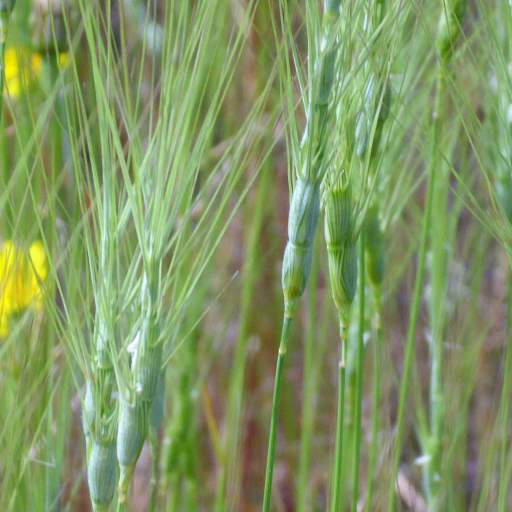
Known as Barbed Goatgrass, this hardy annual is a wild relative of the wheat we use for bread. While it may look like a delicate meadow grass at first glance, it is a fierce competitor that thrives in dry, rocky soils where other plants struggle. It has gained a reputation as a "hitchhiker" plant, traveling across continents by clinging stubbornly to anything—or anyone—that brushes past.
🔍 How to Identify
- 🌾 The Spikelets: The seed head consists of narrow, cylindrical spikes that are roughly 1 to 4 inches long. When the plant matures, these spikes break apart into individual segments.
- ⚔️ Long Barbs (Awns): The most distinct feature is the long, stiff, needle-like bristles extending from the seeds. These "awns" usually appear in groups of two or three and give the plant its "barbed" appearance.
- 🌿 Growth Habit: It typically grows in upright clumps, reaching 8 to 20 inches in height. The leaves are narrow and often have fine, soft hairs near the base where they meet the stem.
🏡 In Your Garden & Landscape
- 🚜 Invasive Nature: In many regions, particularly in the Western United States, this plant is treated as a noxious weed. It is highly efficient at absorbing nitrogen, meaning it can quickly crowd out native wildflowers or desired lawn grasses.
- 🏜️ Soil Resilience: It loves disturbed ground and serpentine soils (soils high in heavy metals) where most other plants cannot survive. If you find it in your yard, it is usually a sign of dry, compacted earth.
⚠️ Safety & Toxicity
- 🐕 Physical Hazard: While not chemically toxic or poisonous, it is mechanically dangerous. The stiff, sharp barbs are a major "foxtail" risk for dogs, cats, and livestock.
- 👂 Injury Risk: The barbs are designed to move in only one direction. They can become painfully lodged in a pet’s ears, nostrils, or between their paw pads, often requiring a vet's assistance to remove.
✨ Fun Fact
🧬 A Genetic Goldmine: Despite its reputation as a weed, scientists highly value Barbed Goatgrass. Because it is a wild relative of bread wheat, researchers use its DNA to breed new types of wheat that are more resistant to harsh droughts and crop diseases!

Detailed Care Instructions
Growing Aegilops triuncialis, also known as goatgrass or jointed goatgrass, requires the following steps:
- Seed Selection: Obtain Aegilops triuncialis seeds from a reputable nursery or seed supplier. Ensure that the seeds are fresh and healthy.
- Soil Preparation: Choose a well-draining soil with neutral to alkaline pH (around 6.5-7.5). Loosen the soil and remove any weeds or debris. Mix in organic matter like compost to improve the soil's quality.
- Sowing Seeds: Scatter the Aegilops triuncialis seeds evenly over the prepared soil. Lightly rake the soil to cover the seeds with a thin layer of soil, around ¼ inch deep.
- Watering: After sowing the seeds, water the soil thoroughly but gently to keep it moist. Avoid overwatering, as excessive moisture can cause root rot. Maintain consistently moist soil until germination occurs.
- Germination: Aegilops triuncialis typically takes around 7-14 days to germinate. Ensure the seeds receive adequate sunlight and warmth during this period.
- Thinning: Once the seedlings emerge and grow a few inches tall, thin them to provide enough space for each plant to grow properly. Keep the healthiest and strongest seedlings while removing the weaker ones.
- Watering and Care: Regularly water the plants, providing them with enough moisture. However, avoid waterlogging. Take care not to damage the plants while watering, as they can have fragile stems.
- Fertilizer: Apply a balanced, slow-release fertilizer during the growing season to provide additional nutrients to the plants. Follow the instructions on the fertilizer packaging for proper dosage and frequency.
- Weed Control: Regularly inspect the area for weed growth and remove them promptly. Goatgrass can become weedy itself, so it is essential to prevent it from spreading uncontrollably.
- Harvesting (optional): If you want to harvest seeds, allow the plants to fully mature and dry in the field. Harvest the seeds when they appear dry and brown. Ensure the seeds are stored properly in a cool, dry place for future use.
Remember to check local regulations regarding the cultivation of Aegilops triuncialis, as it can be invasive in certain regions.

Place in a bright room that is sun drenched almost all day. Or directly in a south-facing window.

To water this plant, you should ensure that the soil is not completely dry before watering. Check the top inch of soil with your finger and if it feels dry, it is time to water. Use a watering can with a spout to water the plant at the base, avoiding the leaves and stem. Water until the soil is evenly moist but not waterlogged. Avoid letting the plant sit in standing water as this can lead to root rot.#{end-answer}
To fertilize the plant, first examine the soil to determine if it is lacking in any particular nutrients. Based on the assessment, select an appropriate fertilizer that contains the needed nutrients and follow the instructions on the label for how much and how often to apply. In general, it is best to fertilize the plant in the spring and again in the fall. Avoid over-fertilization, as this can lead to nutrient buildup and damage to the plant. Finally, water the plant thoroughly after applying fertilizer to help it absorb the nutrients.
The ideal soil for the Aegilops Triuncialis plant is a well-draining loamy soil that is rich in organic matter. The soil should have a slightly acidic to neutral pH between 6.0 and 7.5. A blend of sand, loam, and peat moss is recommended to ensure that the soil is well-draining, while also retaining enough moisture to keep the plant hydrated. It is important to avoid using heavy or clay soils that can become waterlogged and lead to root rot. Additionally, the soil should be free of any contaminants or chemicals that could harm the plant's growth and development.
To propagate this plant, you can start by collecting the seeds from a mature plant. Clean the seeds by removing any debris or impurities. Then, soak the seeds in water overnight to help with germination.
Prepare a well-draining soil mix by combining sand and potting soil. Plant the seeds about 1/4 inch deep in the soil mix. Water the soil thoroughly and cover the pot with a plastic wrap. Place the pot in a warm and bright location.
Once the seedlings have germinated and have grown to be a few inches tall, remove the plastic wrap and continue to water the plants regularly. Transplant the seedlings into individual pots once they have grown a few more inches.
To propagate the plant through cuttings, take a cutting of a healthy stem with a few leaves attached. Remove the lower leaves, leaving only a few at the top. Dip the end of the stem into rooting hormone and plant it in a well-draining soil mix. Keep the soil moist and the plant in a warm and bright location. The cutting should develop roots within a few weeks and can then be transplanted into an individual pot.








