Plant Overview
Often called the Ciliate Sensitive-pea or Joint-vetch, this delicate-looking legume is a master of movement and moisture. Native to tropical and subtropical wetlands of the Americas, it is famous for its "shy" nature—its leaves will often fold inward when touched or as the sun goes down. In its native habitat, it acts as a hardy pioneer, stabilizing soil and adding a splash of bright yellow to marshy landscapes.
🔍 How to Identify
- 🌿 Fringed Foliage: The leaflets are arranged in pairs along a central stem (pinnate). Look closely at the edges; they are lined with tiny, hair-like "cilia" that give the plant its name.
- 🌼 Pea-like Blooms: It produces small, cheery yellow flowers typical of the pea family, often featuring delicate reddish or brownish veins on the upper petal (the "standard").
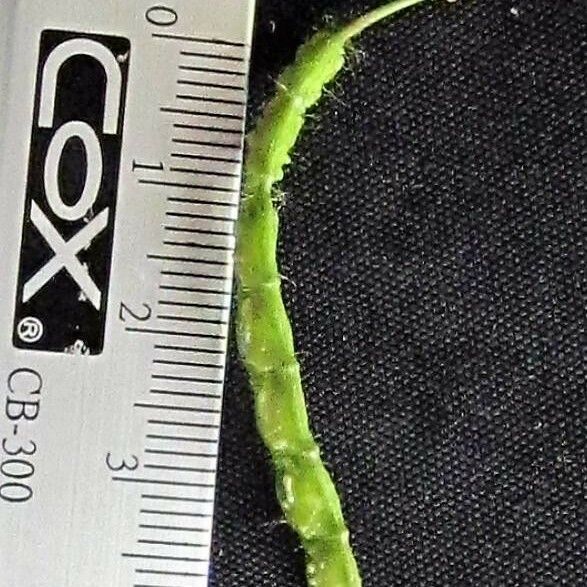
- 📏 Jointed Pods: The seed pods are unique; they are "loments," meaning they are constricted between each seed and break apart into individual segments when ripe.
🏡 In Your Garden
- 💧 The Wetland Specialist: Unlike many garden plants that fear "wet feet," Aeschynomene ciliata thrives in soggy, poorly drained soil. It is an excellent choice for the edges of ponds or low-lying areas of the yard that stay damp.
- 🧪 Soil Improver: As a member of the Fabaceae family, it has a symbiotic relationship with soil bacteria to "fix" nitrogen. This means it actually improves the fertility of the soil it grows in, acting as a natural fertilizer for its neighbors.
- 🌱 Sun Seeker: While it loves water, it demands bright light. If it doesn't get enough sun, the stems can become leggy and the "sensitive" reaction of the leaves may become sluggish.
⚠️ Safety & Toxicity
- ✅ General Safety: This plant is generally considered non-toxic to humans and is often used as high-protein forage for livestock in agricultural settings.
- 🐾 Pet Caution: While not listed as a primary poisonous plant, always monitor pets. Consuming large amounts of any legume can occasionally cause mild digestive upset in sensitive cats or dogs due to the high fiber and protein content.
✨ Fun Fact
The "shyness" of the plant—the way its leaves fold when touched—is a defense mechanism called thigmonasty. Scientists believe this movement helps the plant shed heavy raindrops or look less appetizing to hungry insects who might think the plant is wilting!

Detailed Care Instructions








