Plant Overview
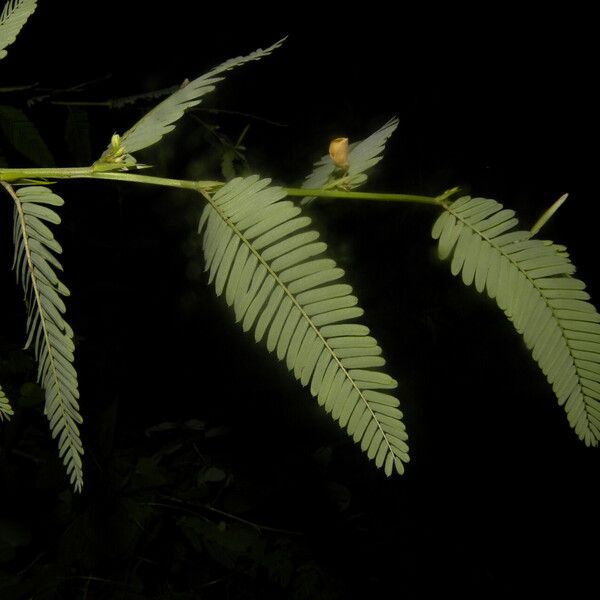
Commonly known as the Shrubby Jointvetch, this delicate member of the legume family is a master of adaptation. Often found dancing in the breezes of Mexico and the Caribbean, it carries an air of wild elegance with its feathery foliage and bright, sunshine-yellow blooms. While it may look like a fragile wildflower, it is actually a hardy, woody-based plant that plays a vital role in its ecosystem by "feeding" the soil.
🔍 How to Identify
- 🌿 Feathery Foliage: The leaves are pinnately compound, meaning they consist of many tiny, oblong leaflets arranged in pairs, giving the plant a soft, fern-like appearance.
- 🟡 Pea-Like Blooms: It produces charming yellow flowers, often decorated with faint reddish or orange veins near the center, typical of the Fabaceae family.
- 📿 "Jointed" Pods: The seed pods are the giveaway; they are constricted between each seed, looking like a string of flat beads that break apart into individual segments when mature.
🏡 In Your Garden
- 🌱 Nitrogen Powerhouse: Like many of its cousins, this plant has a symbiotic relationship with soil bacteria. it "fixes" nitrogen from the air into the ground, acting as a natural fertilizer for surrounding plants.
- ☀️ Sun Seeker: It thrives in full sun and is surprisingly drought-tolerant once established. However, it prefers "wet feet" occasionally, often popping up near drainage ditches or seasonal ponds in the wild.
- ✂️ Growth Habit: It can become a bit leggy or "scraggly" if left to its own devices. A light pruning after the flowering season helps maintain a bushier, more attractive shape for garden borders.
⚠️ Safety & Toxicity
- 🟢 Generally Safe: Aeschynomene fascicularis is not considered highly toxic to humans or common household pets.
- 🐮 Livestock Note: While some jointvetches are used as high-protein forage for cattle, always ensure your specific variety is clear of agricultural contaminants if you live on a farm, as wild legumes can sometimes concentrate minerals from the soil.
✨ Fun Fact
The name "Jointvetch" comes from the unique way the seed pods are constructed. Instead of opening along a seam like a garden pea, the pods break crosswise at the "joints" into one-seeded squares called lomentums, which helps the seeds disperse more effectively!

Detailed Care Instructions








