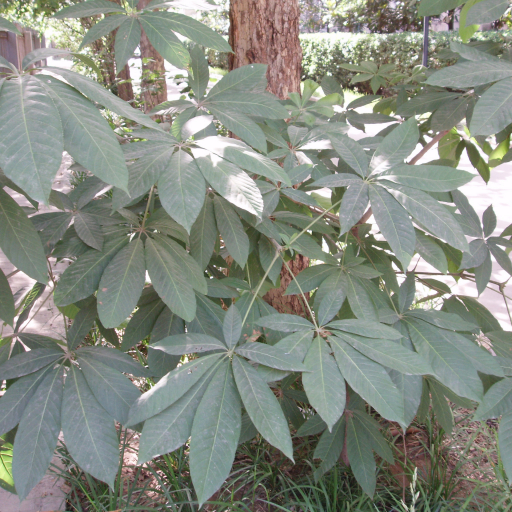
Plant Overview
Known as the Chinese Horse Chestnut, this majestic deciduous tree is a cornerstone of East Asian temple landscapes. It is celebrated for its towering, candle-like flower spikes that bloom in late spring, creating a regal and serene atmosphere in any large garden or park. While it shares a lineage with the common European horse chestnut, its smoother fruit and refined foliage give it a distinct, elegant personality.
🔍 How to Identify
- 🍃 Hand-Shaped Foliage: The leaves are "palmate," featuring 5 to 7 elongated, tooth-edged leaflets that fan out from a single point like the fingers of a hand.
- 🕯️ Candle-Like Blooms: It produces striking, upright cylindrical clusters (panicles) of small white flowers, often decorated with a tiny splash of yellow or purple at the throat.
- 🌰 Smooth Seed Pods: Unlike the prickly, "spiky ball" husks of the European variety, the fruit of the Chinese Horse Chestnut is relatively smooth and ovoid, containing one or two glossy, dark brown seeds.
🏡 In Your Garden
- 🌳 The "Forever" Spot: Because this tree develops a deep and sturdy taproot, it strongly dislikes being transplanted. You should choose its permanent home carefully, ensuring there is plenty of room for its broad, rounded canopy to spread over the decades.
- 💧 Moisture Consistency: It thrives in rich, loamy soil that stays consistently moist but well-drained. It is particularly sensitive to drought; if the soil dries out too much, the leaf margins may "scorch" or turn brown and crispy.
⚠️ Safety & Toxicity
- 🚫 Toxic if Ingested: All parts of the tree—including the leaves, bark, and especially the seeds—contain saponins and glucosides that are poisonous to humans and most livestock.
- 🐾 Pet Warning: Dogs and horses are particularly susceptible to poisoning if they chew on the fallen "conkers" (seeds). Symptoms include digestive distress, weakness, and loss of coordination.
✨ Fun Fact
In China, this tree is frequently associated with Zen and Buddhism. It is often planted near ancient temples because its seeds were historically used by monks to create a type of laundry starch and as a component in traditional medicines.

Detailed Care Instructions
To grow Aesculus Chinensis, or the Chinese Chestnut tree, consider the following steps:
- Climate and soil requirements: Aesculus Chinensis thrives in USDA hardiness zones 5-8, with average temperatures ranging from -20°F to 100°F (-29°C to 38°C). Ensure you have well-drained soil with a pH level between 6 and 7.
- Seed collection: Obtain fresh seeds from a reliable source, as aged seeds may have decreased viability.
- Stratification: Aesculus Chinensis seeds require cold stratification before planting. Place the seeds in a moistened paper towel, seal it in a plastic bag, and store it in the refrigerator for 60-90 days. This mimics the natural winter period.
- Planting: After stratification, sow the seeds in individual pots or seed trays filled with well-draining soil. Plant each seed about 1 inch deep into the soil. Water thoroughly after planting.
- Location: Choose a sunny spot with good air circulation for optimal growth. Aesculus Chinensis can tolerate partial shade, but full sun is preferable.
- Watering: Keep the soil moist but not waterlogged. Water deeply about once a week, allowing the top inch of soil to dry out between waterings.
- Fertilization: Apply a balanced, slow-release fertilizer in early spring and mid-summer to provide essential nutrients. Follow the manufacturer's instructions for proper dosage.
- Pruning: Prune any dead or damaged branches in late winter or early spring to maintain a healthy shape and promote better air circulation.
- Mulching: Apply a layer of organic mulch around the base of the tree to help retain moisture, suppress weed growth, and regulate soil temperature.
- Protection: Protect young plants from frost or extreme temperatures by covering them with a frost cloth or providing temporary shelter.
- Monitor for pests and diseases: Keep an eye out for common pests like aphids, leaf miners, and scale insects. Treat with appropriate organic or chemical insecticides if necessary. Monitor for diseases such as leaf spot or powdery mildew and take action promptly if detected.
- Harvesting: After approximately 3-4 years, Aesculus Chinensis may produce edible chestnuts. Harvest when the outer husk splits, revealing the shiny brown nut inside.
Remember, growing Aesculus Chinensis requires patience as it can take several years for the tree to bear its first fruits. Regular care and attention will help ensure its successful growth.

Place in a bright room that is sun drenched almost all day. Or directly in a south-facing window.

The Aesculus Chinensis plant should be watered thoroughly during the growing season. This can typically be achieved by watering the plant once a week or in response to dry conditions. It is important to avoid overwatering the plant as this can lead to root rot and other problems. The soil surface should be allowed to dry out before watering again, but the soil below the surface should remain moist. In the winter months, the plant should be watered less frequently as it enters dormancy. When watering, it is important to pour the water directly on the soil, avoiding watering the foliage as this can encourage fungal growth. If the plant is in a container, make sure there are drainage holes to prevent water from accumulating.
- Use a balanced fertilizer with equal amounts of nitrogen, phosphorus, and potassium.
- Apply the fertilizer in the early spring when new growth appears.
- Spread the fertilizer evenly around the base of the plant, avoiding contact with the foliage.
- Water the plant thoroughly after fertilizing to help distribute the nutrients throughout the soil.
- Repeat the fertilization process every 4-6 weeks during the growing season.
- Reduce the frequency and amount of fertilizer applied during the fall and winter months, as the plant's growth slows down.
A suitable soil for Aesculus chinensis should be well-draining, as this plant does not tolerate wet or waterlogged soil. It prefers a fertile, slightly acidic to neutral soil with a pH of around 5.5 to 7.5. The soil should also be rich in organic matter, which can help retain moisture and provide nutrients for healthy growth. It is recommended to mix in some compost or well-rotted manure into the soil before planting. Additionally, Aesculus chinensis prefers a soil that is slightly sandy or loamy, as this provides good aeration and reduces the risk of compaction. It is best to avoid heavy clay soils, as they can become compacted and restrict root growth.
To propagate this plant, you will need to take a cutting from a mature stem. Choose a healthy stem with a diameter of at least one centimeter. Make a clean cut using a sharp pruning shear, and remove any leaves or flowers from the bottom of the stem.
Next, prepare a mix of equal parts perlite and peat moss, and moisten it thoroughly. Dip the cut end of the stem in rooting hormone powder, then insert it into the mix. Make sure that at least one node is submerged in the mix.
Cover the container with a plastic bag to create a humid environment, and place it in a warm, bright location, but out of direct sunlight. Mist the cutting with water occasionally to prevent the mix from drying out.
After a few weeks, check to see if roots have formed by gently tugging on the cutting. If there is resistance, the roots have formed. If not, wait a little longer. Once the roots have formed, you can transplant the cutting into a pot with well-draining soil.
Continue to care for the cutting by keeping the soil moist, providing bright, indirect light, and gradually acclimating it to outdoor conditions if you plan on planting it outside.








