Plant Overview
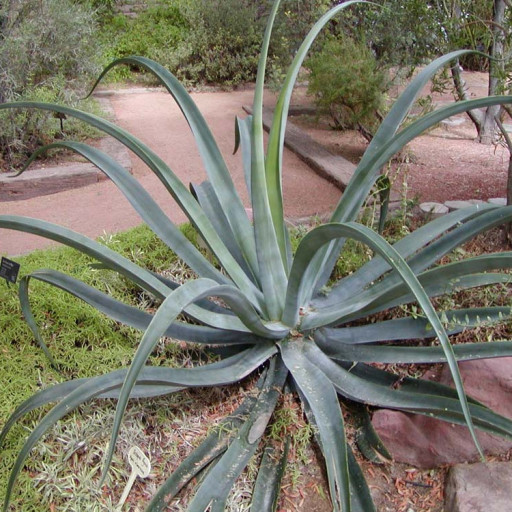
Known as the Octopus Agave, Agave vilmoriniana is one of the most graceful and "user-friendly" members of the agave family. Emerging from the rocky canyons of Mexico, its long, twisting leaves mimic the tentacles of a deep-sea creature dancing in a desert breeze. Unlike its prickly cousins, this agave is prized for its soft, spineless edges, making it a favorite for home gardens and high-traffic walkways.
🔍 How to Identify
- 🐙 Leaf Shape: Long, narrow, and deeply channeled leaves that arch and twist dramatically, resembling octopus tentacles.
- 🟢 Color & Texture: A soft, pale green to bluish-green hue with a smooth, matte finish that feels almost leathery.
- 🚫 Edge Details: It is remarkably "friendly" because the leaf margins lack the sharp teeth (serrations) common in other agaves, though it still features a small, relatively soft terminal spine at the tip.
🏡 In Your Garden
- 🏜️ Sun & Drainage: This plant thrives on "tough love" but demands excellent drainage. While it loves the sun, its leaves can turn a yellowish-pale color if it gets too much reflected heat; a bit of afternoon shade in blistering climates keeps it looking lush.
- 🔄 The Final Show: Like most agaves, this species is monocarpic—it blooms once and then dies. After about 7 to 10 years, it sends up a massive, 10-to-15-foot golden flower spike. Instead of seeds, it produces hundreds of "bulbils" (tiny baby plants) on the stalk, providing you with a whole new generation of "octopuses."
⚠️ Safety & Toxicity
- 🧴 Skin Irritant: While it lacks the "teeth" that bite, the internal sap contains calcium oxalate crystals and saponins. If a leaf is cut or crushed, the sap can cause a stinging, itchy rash known as "agave dermatitis."
- 🐾 Pet Safety: It is considered toxic to dogs, cats, and horses if chewed. The sap can cause mouth irritation, drooling, and digestive upset. It is best placed in a spot where pets won't try to sample the "tentacles."
✨ Fun Fact
🧼 The Natural Scrubber: In its native regions of Mexico, the Octopus Agave was historically known as a "soap plant." The leaves are so rich in saponins that they were dried, beaten, and used as a natural brush and soap for washing clothes and hair!

Detailed Care Instructions
| Humidity | Dry |
| Lighting | Full Sun |
| Difficulty | Easy |
| Hibernation | Cold Period |
| Temperature | 20°C - 35°C |
| Hardiness Zones | Min 9A |
To grow Agave Vilmoriniana plant, also known as the Octopus Agave or Corkscrew Agave, you can follow these steps:
- Choose the right growing conditions: Agave Vilmoriniana prefers full sun but can tolerate partial shade. It is best suited for USDA hardiness zones 9-11, which have mild winters. Ensure the area has well-draining soil to prevent root rot.
- Planting: Dig a hole slightly larger than the root ball of the agave. Gently place the agave into the hole and backfill with soil, ensuring that the plant sits at the same level it was growing in the container. Pat down the soil around the plant to stabilize it.
- Watering: Agaves are drought-tolerant plants, so water sparingly. Allow the soil to dry out completely between waterings, typically every 2-3 weeks. Remember to increase watering during hot summer months.
- Mulching: Apply a layer of mulch around the base of the plant to retain moisture and prevent weed growth. Use a well-draining material like gravel or wood chips.
- Fertilizing: Agave Vilmoriniana plants do not require frequent fertilization. Apply a slow-release fertilizer or a balanced liquid fertilizer during the growing season, following package instructions.
- Pruning: Remove any dead or damaged leaves, taking care to avoid the spines. Agave Vilmoriniana naturally sheds older leaves as it grows, and this is normal.
- Protection from frost: If you live in a colder climate, protect the plant from freezing temperatures during the winter by covering it with a frost cloth or moving it indoors.
- Propagation: Agave Vilmoriniana can be propagated through offsets, also known as pups. Once the pup has grown to about one-third the size of the parent plant, carefully remove it by cutting the connecting root. Plant the pup in well-draining soil in a separate container.
Remember that Agave Vilmoriniana is an attractive plant but can be potentially sharp and should be handled with care. With proper care and attention, your Agave Vilmoriniana can thrive and provide a unique addition to your garden or landscape.

Place in a bright room that is sun drenched almost all day. Or directly in a south-facing window.

To water this particular plant, it is important to first check the soil moisture level by sticking your finger a few inches into the soil. If the soil feels dry, water the plant thoroughly until water drains out of the bottom of the pot. If the soil is still moist, wait a few more days before checking again. It is important not to let the plant sit in standing water, as this can lead to root rot. It is also important to avoid getting water on the leaves, as this can cause damage. Watering should be done evenly, avoiding over-watering or under-watering.
To ensure optimal growth and health of this particular plant, it is recommended to fertilize once a month during the growing season which typically occurs in spring and summer. A balanced fertilizer with equal parts nitrogen, phosphorus, and potassium is ideal for this plant. Dilute the fertilizer according to the package instructions and apply it directly to the soil around the base of the plant, taking care to avoid getting it on the leaves or stem. If using a granulated fertilizer, lightly scratch it into the soil before watering. Be sure to water thoroughly after applying the fertilizer to ensure that it reaches the roots. Limit fertilizer applications during the dormant period in fall and winter. Finally, always follow the instructions on the fertilizer packaging and adjust based on the individual needs of your specific plant.
The ideal soil for the plant in question should be well-draining and have good aeration. It should also have a neutral pH level, between 6.0 and 7.0. A soil mix that includes perlite, sand, and loam would be suitable for this plant. Avoid using heavy or compacted soils, as they can lead to waterlogged roots and root rot. Additionally, adding organic matter such as compost to the soil can help improve its texture and water retention.
Propagation of this plant can be done through its offsets. These are small plants that grow from the base of the main plant. To propagate, carefully remove the offsets from the main plant, making sure to also remove some of the roots. These can then be planted in well-draining soil and watered sparingly until they have established themselves.
Another method of propagation is through seed. These can be collected from the plant's flowers once they have dried and turned brown. The seeds can then be planted in seed-starting mix and kept moist until they germinate.
Propagation can also be done through leaf cuttings, although this is a more advanced technique and requires some knowledge of plant propagation. The leaves must be carefully removed from the plant and left to callus over for a few days before being planted in well-draining soil. Watering should be kept to a minimum to prevent rotting.
Overall, propagating this plant is relatively easy and can be done with a variety of methods. With proper care and attention, the new plants should grow and thrive just like the parent plant.
Common pests of the octopus plant include Scale insect, mealybugs. Make a habit of checking your octopus plant frequently for pests so that any infestations can be caught and managed early.








