Plant Overview
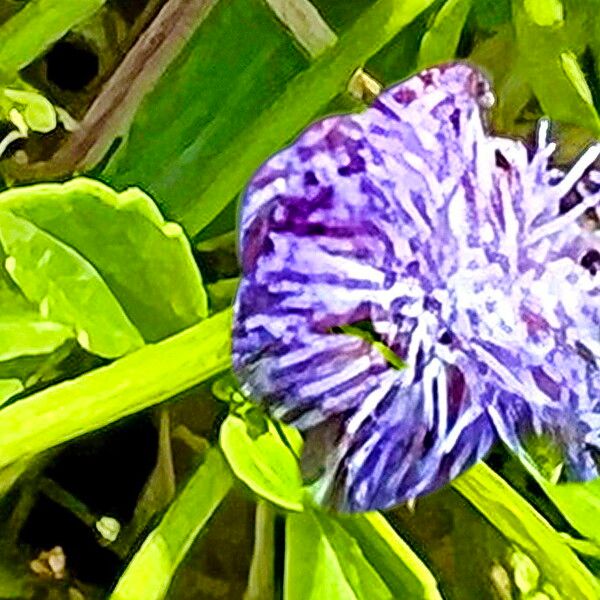
Often called the "Seaside Floss Flower," this low-growing beauty brings a mist of lavender-blue to coastal gardens and sandy dunes. It is a hardy relative of the common garden Ageratum, specifically adapted to thrive where the air is salty and the sun is intense. Its "shaggy" appearance makes it a favorite for adding texture to rockeries and maritime landscapes.
🔍 How to Identify
- 🌸 The "Floss" Bloom: Small, tassel-like flower heads that cluster together, looking like miniature pom-poms or soft, violet-blue clouds.
- 🍃 Textured Foliage: Heart-shaped or oval leaves that are slightly hairy to the touch with distinctively scalloped (crenate) edges.
- 🌱 Growth Habit: Unlike its taller upright cousins, this species is a "prostrate" grower, meaning it tends to spread horizontally to form a dense, protective mat over the soil.
🏡 In Your Garden
- 🌊 Salt Specialist: This plant is a coastal champion; it has a high tolerance for salt spray, making it one of the few decorative flowers that can sit right on the edge of the dunes.
- ☀️ Sun Seeker: While it can tolerate a little afternoon shade, it needs bright light to keep its compact shape. If it gets too much shade, it will become "leggy" and the stems will stretch and weaken.
⚠️ Safety & Toxicity
- 🚫 Toxic Status: High. This plant is not edible and should be handled with caution around livestock and pets.
- 🐾 Internal Risk: It contains pyrrolizidine alkaloids, which can cause cumulative liver damage if ingested. Keep it out of reach of curious dogs, cats, or grazing animals.
✨ Fun Fact
The name Ageratum is derived from the Greek words a-geratos, which translates to "not aging." This refers to the plant's incredible ability to keep its vibrant flower color for a long time, making it a symbol of timelessness in floral folklore.

Detailed Care Instructions







