Plant Overview
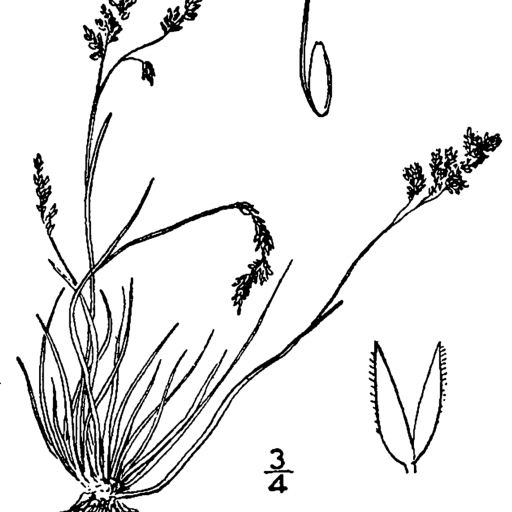
Often called the Arctic Bentgrass, Agrostis mertensii is the silent sentinel of the high peaks and northern tundras. It is a master of survival, thriving where the wind howls and the ground stays frozen for most of the year. This delicate-looking grass is a tough pioneer, often found clinging to rocky crevices where few other species dare to grow.
🔍 How to Identify
- 🌾 Growth Habit: It grows in neat, dense tufts (known as "caespitose" growth). This low-profile, clumping shape helps it resist being uprooted by harsh mountain winds and heavy snow.
- 🟣 Flower Panicles: The seed heads appear as airy, delicate clusters on thin stems. As they mature, they often take on a striking reddish-purple or bronze hue, standing out against the green of the tundra.
- 🍃 Leaf Structure: The blades are very narrow and pointed, usually flat or slightly folded. Their small surface area is a clever evolutionary trick to minimize moisture loss in dry, cold air.
🏡 In Your Garden
- ⛰️ Alpine Specialist: This isn't your typical lawn grass. It craves the thin, acidic, and rocky soils of high altitudes. In a garden setting, it is best suited for "rockeries" or alpine troughs where drainage is exceptionally sharp.
- ❄️ The Heat Barrier: While it is incredibly cold-hardy, it struggles significantly in humid, southern climates. It lacks a deep taproot, preferring to spread its roots wide across the surface of rocky substrate to catch every drop of mountain mist.
⚠️ Safety & Toxicity
- ✅ Safe Status: This grass is considered non-toxic to humans, livestock, and household pets.
- 🐕 Pet Friendly: Like most members of the Agrostis genus, it does not contain harmful alkaloids, making it a safe (though rare) addition to a pet-friendly landscape.
✨ Fun Fact
🏔️ The High-Altitude Traveler: Agrostis mertensii is a "circumboreal" species, meaning it is found all the way around the Northern Hemisphere. It has been documented surviving at elevations where the oxygen is thin and the growing season lasts only a few weeks!

Detailed Care Instructions








