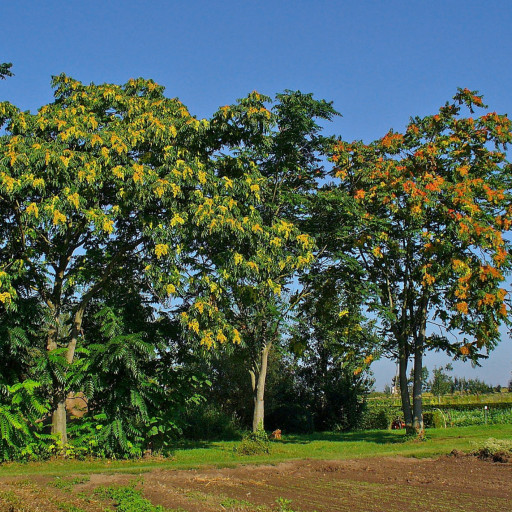
Plant Overview
Often called the "Tree of Heaven," Ailanthus altissima is a study in contradictions. While its name suggests celestial beauty, most modern gardeners know it as a tenacious, fast-growing invader that can push through concrete sidewalk cracks with ease. It gained literary fame as the central metaphor in the novel A Tree Grows in Brooklyn, representing the ability to thrive even in the harshest, most neglected urban conditions.
🔍 How to Identify
- 🍃 Compound Leaves: It features long, feathery fronds that can reach up to 3 feet in length, each consisting of 10 to 40 individual leaflets arranged in pairs.
- 👃 The "Stinky" Secret: If you crush the leaves or break a twig, they emit a strong, unpleasant odor often compared to rancid peanut butter or gym socks.
- 🍁 Glandular Teeth: Look closely at the base of each leaflet; you will find one or two small bumps (glands) on the bottom edge, which distinguishes it from harmless lookalikes like Sumac or Black Walnut.
🏡 In Your Garden
- 🧱 Urban Survivor: This plant is famous for its ability to tolerate extreme pollution, salt, and poor soil. While it provides quick shade, its aggressive root system can damage foundations, sewer pipes, and retaining walls.
- ⚔️ Difficult to Eradicate: If you find one in your yard, be wary of simply cutting it down. The tree reacts to injury by sending up dozens of "suckers" from its extensive underground root system, meaning one trunk can quickly turn into a small forest if not treated correctly.
⚠️ Safety & Toxicity
- 🧴 Skin Sensitivity: The sap contains compounds that can cause contact dermatitis or skin rashes in sensitive individuals. It is highly recommended to wear gloves and long sleeves when pruning or removing this tree.
- 🐕 Pet & Livestock Warning: The leaves and bark are generally avoided by animals due to their bitter taste, but they contain toxins that can cause gastrointestinal distress or heart palpitations in horses and pets if ingested.
- 🌱 Chemical Warfare: This tree is "allelopathic," meaning it releases chemicals into the soil that inhibit the growth of neighboring plants, effectively poisoning the ground to eliminate competition.
✨ Fun Fact
- 🦋 A Troubling Duo: In North America, the Tree of Heaven is the primary preferred host for the invasive Spotted Lanternfly. Removing these trees from your property is currently one of the best ways to help local departments of agriculture control the spread of these destructive insects!

Detailed Care Instructions
| Color | Yellowish To Light Green |
| Humidity | Dry |
| Invasive | Weed |
| Lighting | Part Sun |
| Toxicity | Poisonous |
| Soil Type | Any |
| Bloom Time | Late Spring To Early Summer |
| Difficulty | Easy |
| Plant Type | Deciduous Tree |
| Hibernation | Cold Period |
| Mature Size | 60 To 75 Ft. Tall, 35 To 50 Ft. Wide |
| Temperature | 10°C - 20°C |
| Sun Exposure | Full Sun, Partial Sun, Partial Shade |
| Hardiness Zones | 5 - 8 |
To successfully grow Ailanthus altissima, also known as the tree of heaven, follow these steps:
- Location: Choose a well-drained area with plenty of sunlight. Ailanthus altissima can tolerate a wide range of soil conditions, but it thrives in fertile, loamy soil.
- Seed collection: Collect seeds from a mature tree in late summer or early fall. Seeds can be easily found within the tree's winged fruits.
- Preparing the seeds: Soak the seeds in warm water for 24 hours to soften the tough outer seed coat. This will encourage germination.
- Germinate the seeds: Plant the soaked seeds one inch deep in small pots filled with potting soil. Keep the soil consistently moist but not overly saturated. Place the pots in a warm area with indirect sunlight.
- Transplanting: Once the seedlings have grown to a height of 6-12 inches and have developed a strong root system, usually after one to two years, they are ready to be transplanted.
- Choosing the planting site: Select a location that allows the tree to reach its full height (up to 80 feet) without interfering with structures or powerlines. Ailanthus altissima has invasive tendencies, so it's essential to consider the potential impact on native plant species.
- Digging the hole: Dig a hole two to three times wider than the root ball and slightly shallower. This encourages the roots to spread out and establish themselves.
- Planting the tree: Place the tree in the hole, ensuring the top of the root ball is level with or slightly above the surrounding soil. Backfill the hole with soil, gently firming it around the roots.
- Watering: Water the newly planted tree thoroughly, making sure the soil is evenly moist but not waterlogged. Continue to water regularly for the first year until the tree is established.
- Mulching: Apply a layer of organic mulch around the base of the tree, being careful not to pile it against the trunk. Mulch helps retain moisture, suppresses weed growth, and protects the roots from extreme temperatures.
- Pruning: Ailanthus altissima benefits from occasional pruning to maintain its shape, remove dead or damaged branches, and limit its invasive tendencies. Prune when the tree is dormant in late winter.
- Maintenance: Monitor the tree for signs of disease or pests, such as powdery mildew or spotted lanternflies, and take appropriate measures to address any issues.
Remember that Ailanthus altissima can be invasive, so make sure to check local regulations and consider the potential impact on the surrounding ecosystem before planting this tree.

Place in a bright room that is sun drenched almost all day. Or directly in a south-facing window.

Watering instructions for this plant species vary based on several factors including soil type, temperature and humidity levels, and the age and size of the plant. However, basic guidelines for watering can be followed to keep the plant healthy.
First, check the soil moisture level by pushing your finger an inch or two into the soil. If it feels dry, it is time to water. If it feels moist, hold off on watering for a day or two.
When you water, pour water slowly onto the soil around the base of the plant. Use enough water to thoroughly saturate the soil, but be careful not to over-water. Avoid getting water on the foliage of the plant as this can promote disease.
During hot and dry periods, you may need to water more frequently to keep the soil from drying out completely. Conversely, during cooler and wetter periods, you may need to reduce watering frequency to avoid waterlogged soil.
It is essential to monitor the plant's response to watering and adjust your watering routine accordingly. Ailanthus Altissima plants can be sensitive to both over and under-watering, so it is important to find the right balance.
To fertilize this specific plant species, use a balanced fertilizer containing nitrogen, phosphorus, and potassium. Apply the fertilizer during the growing season, typically in the spring and summer months. Follow the package instructions for the correct amount of fertilizer to use and apply evenly around the base of the plant. Water thoroughly after application. Avoid fertilizing during the dormant season, as this can cause damage to the plant.
The recommended type of soil for this plant is a well-draining loam that is slightly acidic with a pH between 6 to 6.5. It should be rich in organic matter, with a high nutrient content and good water retention. The ideal soil should have a mix of sand and clay to allow for good drainage and aeration while also retaining enough moisture for the roots to absorb. Ailanthus Altissima prefers a slightly moist soil, but not waterlogged. It is best to avoid heavy clay soils, as they can cause drainage problems and result in root rot. Additionally, adding a slow-release fertilizer to the soil during planting can help provide the plant with essential nutrients for healthy growth.
To propagate this plant, you will need to take a cutting from the parent plant. This can be done by cutting a section of stem approximately 6 inches in length, making sure to include a few leaves near the top of the stem. Remove any lower leaves and make a clean cut at the bottom of the stem.
Next, dip the cut end of the stem in rooting hormone powder and plant it in a pot filled with moist soil. Place the pot in a warm, bright location, but out of direct sunlight. Keep the soil moist and within a few weeks, roots should start to form.
Once the roots have developed, you can transplant the new plant into a larger pot or directly into the ground. To protect it from any potential damage, make sure to provide it with proper care and maintenance moving forward.
Common pests of the tree of heaven include Spider mites. Make a habit of checking your tree of heaven frequently for pests so that any infestations can be caught and managed early.








