Plant Overview
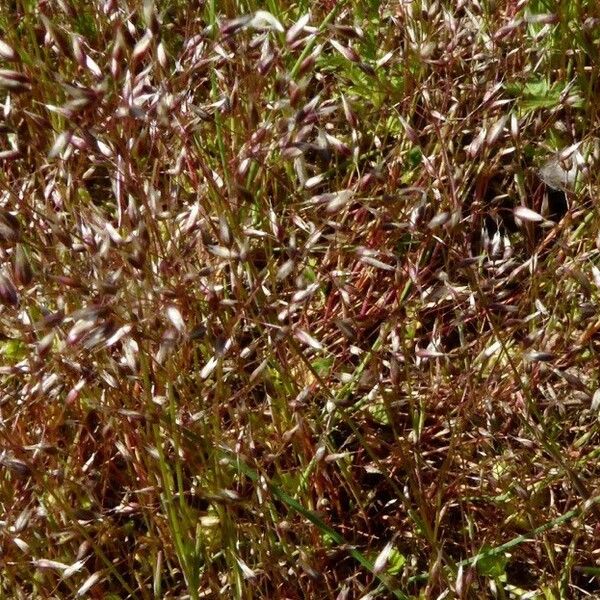
Often called the Elegant Hairgrass, this Mediterranean native looks more like a shimmering mist than a traditional garden grass. It is prized for its incredibly fine, hair-like stems that seem to vanish in bright sunlight, leaving only tiny, floating seed heads visible to the eye. Whether found in a wildflower meadow or a coastal garden, it adds a dreamlike, ethereal texture that dances with the slightest breeze.
🔍 How to Identify
- 🌾 The Stems: Extremely thin, wiry, and upright, usually reaching about 10–30 cm in height, giving the plant a delicate, skeletal appearance.
- ✨ The Panicles: Tiny, open-branched seed heads that look like shimmering specks or a "cloud" of purplish-bronze dust hovering above the ground.
- 🌿 The Leaves: Very short, narrow blades that are often sparse and concentrated at the base, making the plant appear mostly transparent.
🏡 In Your Garden
- 🏜️ Soil Nuance: This grass thrives in poor, sandy, or gravelly soils where more aggressive plants fail. It is an "opportunist" that loves disturbed ground and rocky outcrops.
- ⏳ Short-Lived Beauty: As an annual grass, it completes its entire life cycle in one season. To see it again next year, allow the seed heads to dry and drop naturally rather than tidying them up too early.
⚠️ Safety & Toxicity
- 🟢 General Status: Aira elegantissima is considered non-toxic to humans, cats, and dogs.
- 🐕 Physical Caution: While not chemically toxic, the dried seed heads (awns) can occasionally become physical irritants if they get lodged in a pet's fur, ears, or between paw pads.
✨ Fun Fact
- 🌌 The Invisible Grass: Because the stems are so incredibly fine, this plant is sometimes nicknamed "Invisible Grass." In certain lighting conditions, the tiny flowers appear to be floating in mid-air without any visible support, creating a "glitter" effect across the field.

Detailed Care Instructions
To grow Aira Elegantissima plant, also known as Zebra grass or Maiden grass, follow these steps:
- Choose a suitable location: Zebra grass prefers full sun to partial shade and well-draining soil. Ensure the chosen spot receives at least 6 hours of direct sunlight daily.
- Prepare the soil: Ensure the soil is well-draining and rich in organic matter. Amend heavy clay soils with compost or sand to improve drainage.
- Planting: Dig a hole twice as wide and deep as the root ball. Place the plant in the hole, making sure the crown is level with the soil surface. Backfill the hole with amended soil and gently firm it around the plant.
- Watering: Initially, water the plant deeply after planting to settle the roots. Afterwards, water regularly to keep the soil moist but not waterlogged. Established plants are relatively drought-tolerant but may benefit from supplemental watering during dry spells.
- Fertilizing: Apply a balanced slow-release fertilizer in early spring or use a liquid fertilizer monthly during the growing season to promote healthy growth.
- Pruning: Cut back the plants to a few inches above the ground in late winter or early spring before new growth emerges. This helps to remove dead foliage and stimulate new growth.
- Mulching: Apply a layer of organic mulch around the base of the plant to retain moisture, prevent weed growth, and regulate soil temperature.
- Divide and transplant: As the plant matures, it may benefit from division every few years. Dig up the plant in early spring and carefully separate the root clumps into smaller sections. Replant the divisions in well-prepared soil with adequate spacing.
- Pests and diseases: Zebra grass is relatively pest and disease-resistant. However, keep an eye out for common garden pests like aphids or grasshoppers. Regularly inspect the plant for any signs of damage or disease and take appropriate action if needed.
By following these steps, you can successfully grow Aira Elegantissima and enjoy its beautiful foliage in your garden.
To properly water this plant, first check the soil to ensure it is dry to the touch. Then, gently pour water onto the soil around the base of the plant, being careful not to get water on the leaves or any other parts of the plant. Allow excess water to drain out of the pot and discard any standing water. Repeat watering when the soil feels dry again. Be sure to use room-temperature water and avoid overwatering, as this can cause root rot.
To fertilize this plant, use a balanced fertilizer with equal amounts of nitrogen, phosphorus, and potassium. Apply the fertilizer to the soil around the base of the plant once a month during the growing season, which is typically from spring to fall. Water the plant immediately after fertilizing to help distribute the nutrients evenly throughout the soil. Avoid over-fertilizing as it can damage the plant and lead to poor growth.
The Aira Elegantissima plant prefers a well-draining soil that is rich in nutrients and organic matter. Adding perlite, sand, or vermiculite to the soil mix can help ensure good drainage. It also benefits from soil that is slightly acidic with a pH ranging from 6.0 to 7.0. It is recommended to avoid using heavy clay or compacted soil as it can hold too much moisture and lead to root rot. Additionally, adding a slow-release fertilizer to the soil can help provide the necessary nutrients for the plant's growth and health.
To propagate this particular plant, you will need a healthy parent plant, a clean pair of sharp scissors, a small pot with good quality potting soil, and a rooting hormone (optional).
First, locate a healthy stem on the parent plant that you want to propagate. It should be at least 4-6 inches long and have several leaves.
Using the scissors, make a clean cut just below the node (where the leaves join the stem) at a 45-degree angle. Remove any leaves from the lower part of the stem, leaving only a few at the top.
If you're using rooting hormone, dip the bottom inch of the stem into it, shaking off any excess.
Make a small hole in the potting soil with your finger, and gently place the stem into the hole. Gently press the soil around it to ensure it is securely in place.
Water the soil until it's moist but not soaking wet, and place the pot in a warm, bright spot. Avoid direct sunlight.
After a few weeks, new roots should begin to form. You can test this by gently tugging on the stem. If there is resistance, the roots have formed.
Once the roots have formed, you can transplant the new plant into a larger pot or into your garden.








