Plant Overview
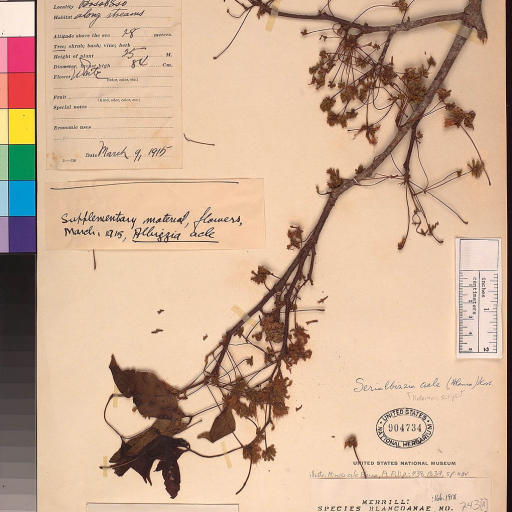
Known as the "Philippine Walnut," the Albizia Acle is a majestic giant of the tropical forest, celebrated for its dark, chocolatey wood and wide-spreading canopy. In its native Southeast Asian habitats, it is often seen as a symbol of strength and longevity, though it has become increasingly rare in the wild. This tree is a favorite for those with large landscapes who want a "heritage tree" that provides deep shade and a touch of ancient forest elegance.
🔍 How to Identify
- 🍃 Leaf Structure: Features distinctive bipinnate leaves (fern-like), typically with only one pair of side branches (pinnae), giving it a more organized, geometric look than its cousin, the Silk Tree.
- 🌸 The "Puffball" Bloom: Produces small, greenish-white flowers that look like tiny, delicate brushes or pom-poms clustered together in spherical heads.
- 🫛 Woody Pods: Its seed pods are heavy, dark, and often twisted or curved, hanging from the branches like charred ornaments long after the flowers have faded.
🏡 In Your Garden
- 🌳 The Taproot Rule: This tree develops a deep, stubborn taproot early in life. Because it anchors itself so firmly, it strongly dislikes being moved; once planted, it should remain in its "forever home" to avoid transplant shock.
- 🧪 Natural Fertilizer: As a member of the legume family, the Acle works "underground magic" by fixing nitrogen into the soil, actually improving the quality of the earth for neighboring plants as it grows.
- ☀️ Space and Light: It requires full sun and plenty of room to breathe. Avoid planting it too close to structures, as its massive canopy and strong root system need space to expand over several decades.
⚠️ Safety & Toxicity
- 🐾 Pet Safety: The Acle is generally considered non-toxic to common household pets. However, the hard, woody seed pods can be a choking hazard or cause minor digestive upset if chewed on by curious dogs.
- 🪵 Sawdust Sensitivity: While the living tree is safe to touch, the dust from its wood (if being sanded or cut) is a known respiratory irritant. In a garden setting, it poses no risk to kids or skin.
✨ Fun Fact
📜 The Cabinetmaker’s Dream: Because its wood is naturally resistant to termites and rot, the Acle was the primary choice for constructing the grand altars and intricate furniture found in Spanish colonial churches throughout the Philippines.

Detailed Care Instructions








