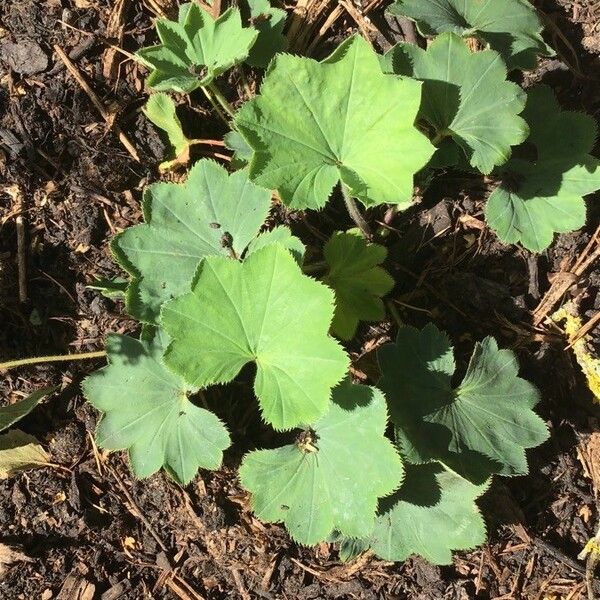
Plant Overview
Known as the "Aran Lady’s Mantle," this rare and delicate perennial is a specialized treasure often found tucked into the rocky crevices of the Pyrenees mountains. Its genus name, Alchemilla, reflects a mystical past; ancient alchemists believed the morning dew collected on its unique leaves was the purest form of water on Earth, a key ingredient in the quest to turn lead into gold.
🔍 How to Identify
- 🍃 The Silver Lining: Unlike the common garden Lady's Mantle, this species features leaves with a distinct, silky-silver underside that shimmers when the wind catches it.
- ⭐ Hand-Shaped Foliage: The leaves are deeply lobed, resembling a small, fan-like hand with finely serrated (toothed) edges.
- 🌼 Frothy Blooms: It produces tiny, star-shaped flowers in a soft chartreuse or lime-yellow hue that appear in airy, delicate clusters above the foliage.
🏡 In Your Garden
- 🏔️ Alpine Aspirations: Because it originates from high-altitude environments, it thrives in rock gardens or well-drained borders. It craves "cool feet"—soil that stays moist and drained rather than baking in stagnant heat.
- 💧 The Bead Effect: The leaves are covered in microscopic hairs that repel water. After a rainstorm, you will see water "bead up" into perfect silver spheres that roll around the leaf surface like liquid mercury.
⚠️ Safety & Toxicity
- ✅ Pet & Human Safe: Alchemilla aranica is generally considered non-toxic to cats, dogs, and humans. It is a "friendly" addition to any accessible garden path.
- 🍵 Herbal History: While its cousins are often used in traditional herbal teas for their astringent properties, avoid consuming wild-identified plants unless you are an expert, as many alpine species look similar.
✨ Fun Fact
The droplets found on Lady’s Mantle leaves in the morning aren't always dew! The plant often performs "guttation," a process where it actively pumps excess water out of its leaf pores, creating its own "diamonds" even on dry nights.

Detailed Care Instructions








