Plant Overview
Known as the "Superfruit of the Chocó," the Borojó (Alibertia patinoi) is a tropical marvel hailing from the dense, humid rainforests of Colombia and Panama. Often called "Nature’s Viagra" or the "Love Fruit" in local folklore, it is prized for its high energy content and its unique ability to thrive in one of the wettest regions on Earth. While it’s a powerhouse of nutrition, its distinct, chocolate-colored pulp makes it a culinary curiosity for many.
🔍 How to Identify
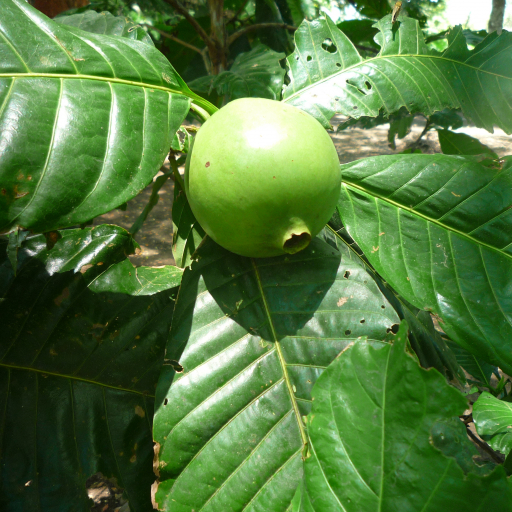
- 🍃 Lush Foliage: It features large, opposite, dark green leaves that are glossy and leathery, typical of plants that live under the canopy of a tropical forest.
- ⚪ Fragrant Blooms: The plant produces small, white, star-shaped flowers that emit a heavy, sweet scent, particularly attractive to tropical pollinators.
- 🟢 The Fruit: The fruit is round and roughly the size of a grapefruit. It starts green but turns a deep, matte brown as it matures, containing a dense, pasty pulp inside.
🏡 In Your Garden
- ☁️ Humidity is Key: Because it originates from the rainforest, Borojó is a "humidity hog." It doesn't just like moisture; it needs it to thrive. If you’re growing it outside of the tropics, a greenhouse or a frequent misting schedule is essential to prevent leaf drop.
- 🧪 Acidic Preferences: This plant is a specialist when it comes to soil. It thrives in acidic environments (low pH) and rich, organic matter. It hates "wet feet," so while it loves water, the soil must drain quickly to avoid root rot.
⚠️ Safety & Toxicity
- ✅ Status: Generally safe and highly edible for humans.
- 🐾 Pet Safety: While the fruit is a superfood for humans, there is limited data on its effects on domestic pets. To be safe, keep the large, dense seeds away from dogs or cats to prevent choking or digestive blockages.
✨ Fun Fact
The pulp of the Borojó fruit is so dense and rich in solids that it doesn't fall out of the glass if you turn it upside down! It is one of the few fruits in the world that naturally contains a high amount of water-soluble B vitamins, making it a popular natural "energy drink" in South America.

Detailed Care Instructions
- Observe the soil: Before watering the plant, check the soil to determine whether it needs water or not. Insert your finger about an inch deep into the soil, and if it feels dry, then it's time to water.
- Water deeply: When watering the Alibertia Patinoi plant, make sure to water it deeply. This means watering it until water begins to seep out of the drainage holes at the bottom of the pot.
- Water sparingly: Although the Alibertia Patinoi plant likes to be watered deeply, it doesn't like to sit in water. So, make sure to water the plant sparingly to prevent waterlogging.
- Use room temperature water: Cold water can shock the roots of the Alibertia Patinoi plant, so make sure to use room temperature water when watering.
- Water in the morning: Watering your Alibertia Patinoi plant in the morning is best as it allows the plant to absorb the water throughout the day. Avoid watering in the evening, as this can lead to fungal growth due to the plant being damp overnight.
- Adjust watering schedule: Depending on the season, you may need to adjust your watering schedule. During the summer months, you may need to water more frequently, whereas during the winter, you may need to cut back on watering as the plant enters a dormant period.
Alibertia Patinoi plant requires well-draining soil that is rich in nutrients and organic matter. The soil pH must be slightly acidic to neutral, ideally ranging from 5.5 to 7.0. A combination of sandy loam and peat moss can provide the ideal soil mix for this plant. The soil must retain moisture, but not become waterlogged, as excessive water can cause root rot. Regularly adding compost or organic fertilizers can ensure the soil remains enriched with nutrients. It is advised to avoid using heavy clay soil or soil with poor drainage as it can lead to poor plant growth and health.








