Plant Overview
Known as the Welsh Onion or Japanese Bunching Onion, this perennial herb is a staple in kitchens and herb gardens across the globe. Despite its name, it doesn't actually hail from Wales; the "Welsh" moniker comes from the Old English word welisc, meaning "foreign." Unlike the common onion, this species focuses its energy on producing succulent, hollow stalks rather than a large underground bulb.
🔍 How to Identify
- 🍃 Hollow Leaves: The most striking feature is its "fistular" (pipe-like) leaves. They are perfectly hollow, cylindrical, and can grow quite tall, reaching up to 20 inches.
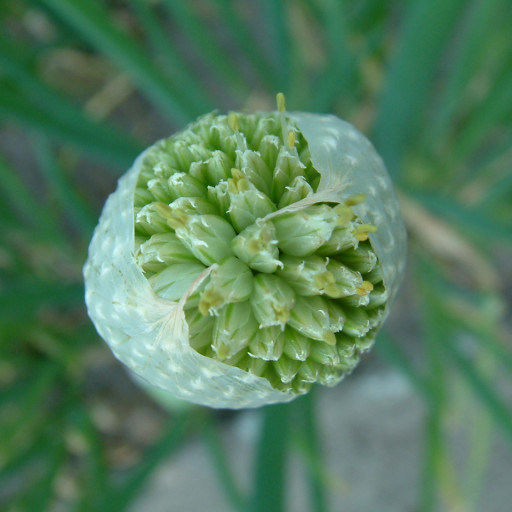
- 🌸 Globular Blooms: In late spring or summer, it produces beautiful, globe-shaped clusters of white or greenish flowers that look like fuzzy pom-poms atop stiff stalks.
- 🌱 Clumping Habit: Instead of a single round bulb, it grows in tight, upright clumps with elongated white bases that transition into vibrant green tops.
🏡 In Your Garden
- ✂️ The "Cut-and-Come-Again" Method: This plant is a gardener's favorite because it is incredibly productive. You can snip the green tops for cooking, and the plant will regenerate quickly, providing a perpetual harvest.
- ❄️ Winter Hardiness: It is exceptionally cold-hardy. While other garden vegetables wither at the first frost, the Welsh Onion often stays green through the winter or is the very first thing to poke through the snow in spring.
- 💧 Soil Drainage: While it loves consistent moisture to keep its leaves tender, it hates "wet feet." Ensure your soil is well-draining to prevent the base from rotting during rainy seasons.
⚠️ Safety & Toxicity
- 🐾 Toxic to Pets: Like all members of the Allium genus (including garlic and chives), it contains N-propyl disulfide. This compound is toxic to dogs, cats, and horses.
- 🤢 Health Risks: If ingested by pets, it can cause "Heinz body anemia," damaging their red blood cells. Symptoms include lethargy, vomiting, and pale gums. Keep your veggie patch fenced if you have curious furry friends.
✨ Fun Fact
In Japan, there is a famous variety called the "Negi" which is hilled up with soil as it grows—much like leeks—to create a long, tender white stem that is highly prized in traditional hot pot dishes!

Detailed Care Instructions
| Color | White Roots And Green Tops |
| Soil Ph | 6.0-7.0 |
| Humidity | Normal |
| Lighting | Full Sun |
| Toxicity | Toxic |
| Soil Type | Sandy, Loamy, Well-Drained |
| Bloom Time | Spring |
| Difficulty | Medium |
| Plant Type | Perennial Bulb |
| Mature Size | 1-3 Feet Tall |
| Native Area | Asia |
| Temperature | 15°C - 35°C |
| Sun Exposure | Full Sun |
| Hardiness Zones | 6–9 |
To grow Allium Fistulosum, also known as scallions or green onions, follow these steps:
- Select a suitable location: Choose a sunny spot in your garden or a container with well-draining soil.
- Prepare the soil: Add organic matter, like compost, to improve soil fertility and drainage. Remove any rocks or debris.
- Start from seeds: Scallions are typically grown from seeds, which can be purchased from a local nursery or online. Sow the seeds in rows, spacing them about 4-6 inches apart.
- Cover and water: Gently cover the seeds with a thin layer of soil, around ¼ inch deep. Water them thoroughly, keeping the soil consistently moist but not waterlogged.
- Maintain moisture: Scallions require consistent moisture for optimal growth, so water regularly to keep the soil moist. Avoid overwatering, as it can cause root rot.
- Thin out seedlings: Once the seedlings are a few inches tall, thin them out to provide enough space for each plant to grow. Remove the weaker or overcrowded seedlings, leaving approximately 1-2 inches between each plant.
- Fertilize: Apply a balanced fertilizer, following the manufacturer's instructions, to provide the necessary nutrients for healthy growth. Repeat the application every 4-6 weeks.
- Weed control: Keep the area around your scallions weed-free, as weeds compete for nutrients and moisture. Regularly remove any weeds that may appear.
- Harvest: You can start harvesting scallions when they reach a desirable size, usually around 6-8 inches tall. Cut them at the base using a sharp knife or scissors, leaving the roots in the ground to potentially regrow.
- Continuous harvest: Scallion plants can be regrown from the base if you leave the roots intact after harvesting. This allows you to enjoy a continuous harvest by cutting the leaves and letting them regrow several times.
Remember to adapt these steps to your specific climate and growing conditions, as they may vary.

Place in a bright room that is sun drenched almost all day. Or directly in a south-facing window.

To water this particular plant, it is recommended to provide a moderate amount of water on a regular basis. The soil should be kept moist, but not waterlogged, which can cause root rot. It is important to avoid letting the soil dry out completely, as this can stress the plant and affect its growth and development. It may be beneficial to water from the base of the plant instead of from above, as this can help prevent disease and minimize evaporation. Additionally, it is advisable to pay attention to environmental factors such as temperature and humidity, as these can affect the plant's water needs.
For best results, apply a balanced fertilizer high in nitrogen, phosphorus, and potassium in early spring before the growing season begins. Follow the package instructions for amount and frequency of application, typically every 4-6 weeks. Avoid over-fertilizing, which can lead to excessive leaf growth and poor bulb formation. Water deeply after fertilizing to ensure nutrients are absorbed by the roots. Consider using an organic fertilizer, such as compost or fish emulsion, to promote long-term soil health.
Allium Fistulosum is a kind of plant that belongs to the Allium family. It requires a well-drained and fertile soil with a pH level between 6.0 and 7.0. The soil should also be rich in organic matter and nutrients, as this plant requires a lot of nutrients to grow and thrive. A sandy loam soil is ideal for growing Allium Fistulosum, as it provides good drainage and allows air to circulate around the roots. It is important to avoid compacted soils, as this can lead to poor growth and development. It is recommended to add compost or well-rotted manure to the soil before planting, as this will provide the necessary nutrients and improve the soil structure. Overall, a well-prepared soil with good drainage and plenty of nutrients is essential for growing healthy and productive Allium Fistulosum plants.
To propagate this plant, it is best to first select healthy specimens with strong stems and healthy leaves. Once selected, gently detach several stalks from each plant, being careful not to damage the roots or the plant itself.
Next, prepare a potting mixture that is rich in nutrients, such as a mix of compost, perlite, and sand. Fill a small container with the mixture, making sure it is moist but not wet.
Take each individual stalk that was detached from the parent plant and insert it into the potting mixture, making sure it is firmly rooted in place.
Once all the stalks are propagated, place the container in a location with bright, indirect light. Water the plants as needed, ensuring that the mixture stays moist.
Over time, the stalks will develop roots and new growth, and can eventually be replanted outdoors. With proper care and attention, these propagated plants can thrive and become healthy additions to any garden or landscape.








