Plant Overview
Known as the Gray Alder, this silver-barked beauty is a rugged pioneer of the plant world. Unlike its more delicate cousins, it thrives in the harsh, chilly regions of the Northern Hemisphere, often acting as a "living bridge" to restore damaged or nutrient-poor landscapes. Its unique ability to turn air into plant food makes it a secret weapon for eco-conscious gardeners looking to improve their soil naturally.
🔍 How to Identify
- 🥈 The Bark: True to its name, the bark remains a smooth, metallic silver-gray even as the tree matures, lacking the deep cracks seen in other alder species.
- 🍃 The Leaves: Look for ovate, pointed leaves with "double-serrated" edges (small teeth along larger teeth). The undersides are typically a dull, pale gray and feel slightly fuzzy to the touch.
- 🌲 The Cones: In autumn and winter, the tree is decorated with small, woody structures that look exactly like miniature pinecones (strobiles) hanging from the tips of the twigs.
🏡 In Your Garden
- 🌱 The Soil Builder: The Gray Alder possesses a "superpower"—it hosts symbiotic bacteria in its root nodules that capture nitrogen from the air. This enriches the soil, making it a perfect "nurse plant" for surrounding greenery.
- 💧 Water Management: While it naturally thrives along streambanks and in soggy hollows, it is surprisingly more drought-tolerant than the Black Alder, making it a versatile choice for stabilizing slopes or damp garden corners.
⚠️ Safety & Toxicity
- ✅ Status: Generally safe and non-toxic.
- 🤧 Details: While not poisonous to pets or humans, the dangling male catkins release massive amounts of pollen in early spring. It is a known "heavy hitter" for hay fever sufferers, so avoid planting it directly under bedroom windows.
✨ Fun Fact
When Gray Alder wood is freshly cut, it undergoes a dramatic chemical reaction! The pale, creamy timber quickly turns a startling, vibrant orange or reddish-pink when exposed to the air before eventually fading back to a soft brown as it dries.

Detailed Care Instructions
| Humidity | Dry |
| Lighting | Part Sun |
| Difficulty | Medium |
| Hardiness Zones | 2 - 6 |
To grow Alnus Incana, also known as gray alder, you can follow these steps:
- Choose the right location: Alnus Incana prefers moist and well-drained soil. It can tolerate acidic, alkaline, or neutral soil. Select an area that receives full sun to partial shade.
- Prepare the soil: Ensure the soil is loose and fertile by adding organic matter such as compost or well-rotted manure. This will improve drainage and provide essential nutrients.
- Obtain seeds or seedlings: You can either purchase gray alder seeds from a nursery or collect them from a mature Alnus Incana tree. Alternatively, you can buy young seedlings from a reputable nursery.
- Sow seeds or plant seedlings: If you have seeds, sow them in a nursery bed or directly into the prepared soil in late autumn. Cover them lightly with soil and keep the bed consistently moist. If using seedlings, dig a hole slightly larger than the root ball and place the seedling in it, backfilling with soil and firming it gently around the plant.
- Water regularly: Alnus Incana requires regular watering, especially during its first year of growth. Keep the soil slightly moist at all times, but avoid overwatering to prevent root rot.
- Mulch the base: Apply a layer of organic mulch around the base of the plant to help retain soil moisture, suppress weed growth, and provide some insulation to the roots.
- Prune as necessary: Alnus Incana does not require regular pruning, but you can prune any dead or damaged branches. In late winter or early spring, you can also shape the plant if desired.
- Monitor for pests and diseases: Gray alder is generally resistant to most common pests and diseases. However, it can occasionally be affected by aphids or caterpillars. Inspect the plant regularly and treat any infestations promptly with appropriate insecticides or natural remedies.
With proper care and maintenance, Alnus Incana should grow well and provide an attractive addition to your garden or landscape.

Place in a bright room that is sun drenched almost all day. Or directly in a south-facing window.
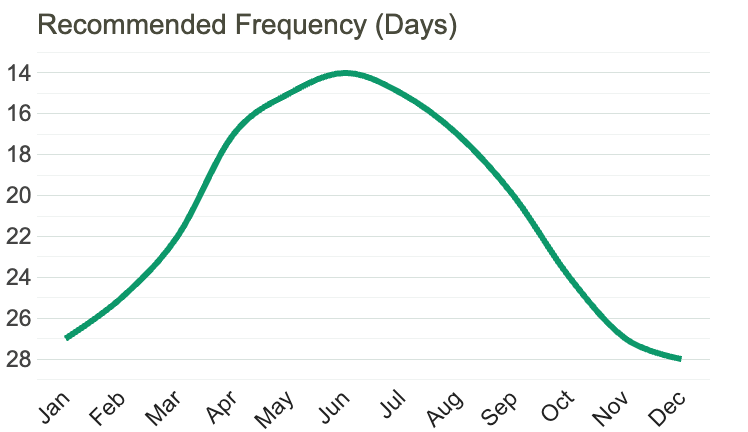
The best way to water this plant is to thoroughly saturate the soil around it, making sure that the water reaches the entire root system. It is important to avoid overwatering or allowing the soil to become waterlogged, as this can lead to root rot and other problems. A good method is to water deeply and infrequently, allowing the soil to dry out slightly between watering sessions. Additionally, the plant should be watered at the base, rather than from above, to avoid wetting the foliage and promoting disease. Monitoring the moisture level of the soil and adjusting watering frequency accordingly is key to ensuring that this plant thrives.
To fertilize this plant, apply a balanced slow-release fertilizer in early spring before new growth emerges. Follow the instructions on the fertilizer label for application rates based on the size of the plant. Water thoroughly after fertilizing. Avoid fertilizing late in the growing season as this can stimulate new growth that may not have time to harden off before winter.
The ideal soil for this plant is one that is moist, well-draining, and slightly acidic. It should be rich in organic matter and nutrients, such as nitrogen, phosphorus, and potassium. Soil that is too heavy or compacted, or that has poor drainage, should be amended with organic matter, such as compost or leaf mold. This plant also prefers soils that have a pH range of 5.0 to 7.0. It is recommended to plant this species in loamy or sandy soil with good drainage for optimal growth.
To propagate this plant, you can take a cutting from a mature stem during the dormant season (late fall through early spring). Select a healthy stem and use a sharp pair of pruning shears to make a clean cut at a 45-degree angle. The cutting should be about 6-8 inches long and have at least 2-3 pairs of leaves attached. Remove the bottom pair of leaves, leaving only the top leaves intact.
Prepare your rooting medium by mixing equal parts perlite and peat moss. Moisten the medium and place it in a pot or tray. Dip the cut end of the stem in rooting hormone and insert it into the rooting medium, making sure it is planted deep enough to cover the removed leaves.
Cover the plant with a plastic bag or dome to create a humid environment, and place it in a bright, but indirect, location. Water the cutting as needed to keep the soil moist but not waterlogged. Check for rooting by gently tugging on the cutting after 4-6 weeks. If you feel resistance, the cutting has likely rooted and can be gradually acclimated to lower humidity levels and brighter light before being transplanted into a larger pot or outside in a suitable location.