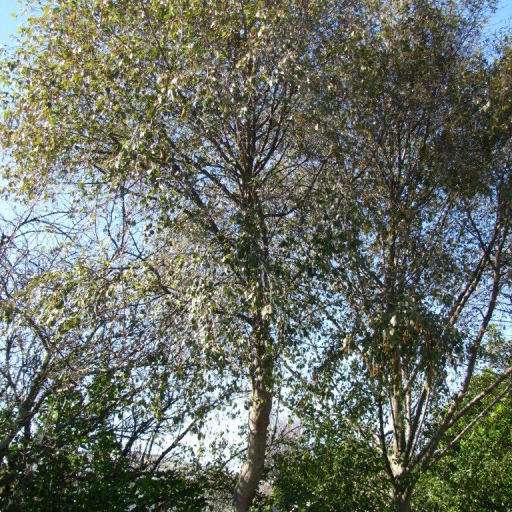
Plant Overview
Known as the Mexican Alder or simply Aliso, this evergreen or semi-deciduous tree is the graceful sentinel of Mesoamerican highlands and misty riverbanks. It is a natural "pioneer species," often being the first tree to reclaim barren or disturbed land, transforming it into a lush forest. With its shimmering leaves and pendulous catkins, it brings a sense of tranquil, watery movement to any landscape it inhabits.
🔍 How to Identify
- 🍃 The Foliage: Leaves are oval-shaped with sharply "doubly-serrated" edges, looking almost like they were cut with pinking shears. They are a deep, glossy green on top and a paler, matte green underneath.
- 🍂 Woody "Cones": One of its most distinct features is the female flower, which matures into a small, dark brown, woody structure that looks exactly like a tiny pine cone.
- 🪵 Silvery Bark: The trunk is smooth and light grey, often decorated with horizontal lenticels (breathing pores) and splashes of white lichen, giving it a ghost-like elegance in the moonlight.
🏡 In Your Garden
- 🧪 The Nitrogen Fixer: This tree has a secret superpower—it hosts specialized bacteria in its root nodules that "fix" nitrogen from the air into the soil. It acts as a natural fertilizer for all the plants growing around it.
- 💧 Water Lover: The Mexican Alder has a "thirst" that makes it perfect for boggy areas or riverbanks. It is often used for erosion control because its aggressive, fibrous root system holds the soil together like a net.
⚠️ Safety & Toxicity
- 🌿 Non-Toxic: Alnus jorullensis is generally considered safe and non-toxic for humans, cats, dogs, and livestock.
- 🤧 Pollen Sensitivity: Like many members of the Betulaceae (Birch) family, the male catkins release significant amounts of wind-borne pollen in the spring. If you are prone to hay fever, this tree may trigger seasonal allergies.
✨ Fun Fact
🎓 The Alchemical Bark: Historically, the bark of the Mexican Alder was a prized commodity for dyers. Depending on how it is processed, it can produce a range of colors from vibrant oranges to deep, earthy browns and blacks, and it is still used today in traditional textile arts across Central America.

Detailed Care Instructions
To grow an Alnus Jorullensis plant, also known as Mexican alder or Evergreen Alder, you can follow these steps:
- Select a suitable planting location: Alnus Jorullensis prefers full sun to partial shade. Choose a spot with well-draining soil that is rich in organic matter.
- Prepare the soil: Loosen the soil in the planting area and remove any weeds, rocks, or debris. Add compost or aged manure to improve soil fertility and drainage.
- Planting: Dig a hole twice as wide and as deep as the root ball of the plant. Place the plant in the hole, ensuring that the top of the root ball is level with the surrounding soil. Backfill the hole with soil and gently firm it around the plant. Water the newly planted Alnus Jorullensis thoroughly.
- Watering: Adequate water is crucial during the establishment period. Water the plant deeply at least once or twice a week, especially during dry spells. Avoid overwatering as it can lead to root rot.
- Mulching: Apply a layer of organic mulch around the base of the plant, leaving space around the trunk. Mulching helps retain moisture, suppresses weeds, and regulates soil temperature.
- Fertilization: Alnus Jorullensis generally doesn't require much fertilization. However, you can apply a slow-release balanced fertilizer in early spring to promote healthy growth. Follow the manufacturer's instructions for application rates.
- Pruning: Prune Alnus Jorullensis to maintain its shape and remove any dead, damaged, or diseased branches. Pruning is best done in late winter or early spring while the tree is dormant.
- Pests and diseases: Alnus Jorullensis is generally resistant to pests and diseases. However, common issues may include aphids, caterpillars, and leaf spot diseases. Monitor the plant regularly and take appropriate action if any problems arise.
- General care: Regularly check the moisture level of the soil and water accordingly. Protect young plants from frost or extreme weather conditions. Monitor the plant for any signs of stress or nutrient deficiencies and address them promptly.
Remember that specific growing conditions may vary depending on your location, climate, and soil type. It's always recommended to consult local gardening resources or experts for tailored advice.
To properly water this plant, you should take into consideration the soil type and the weather conditions in the area where it is planted. The watering frequency and amount will vary based on these factors.
In general, it's important to avoid overwatering, as this can lead to root rot and other issues. To determine if the plant needs water, you can use a moisture meter or stick your finger into the soil about an inch down to feel if it's dry.
When it's time to water, ensure that the water is distributed evenly around the base of the plant and covers the entire root ball. It's best to water in the early morning or late evening when temperatures are cooler to minimize water loss due to evaporation.
If the plant is in a container, be sure not to let it sit in standing water, as this can also lead to root rot. Instead, allow the excess water to drain out and empty the saucer underneath.
Overall, it's important to monitor the plant regularly and adjust your watering schedule accordingly based on the plant's needs.
- Start by selecting slow-release fertilizer pellets that contain a balanced blend of nitrogen, phosphorus, and potassium.
- Apply the fertilizer in late winter or early spring, before new growth begins.
- Spread the fertilizer evenly around the base of the plant, taking care not to let it come into direct contact with the trunk.
- Water the plant thoroughly after applying the fertilizer to help it absorb the nutrients.
- Repeat the fertilization process once or twice a year as needed, depending on the plant's growth rate and soil quality.
The ideal soil for the plant is a moist, nutrient-rich loamy soil that is well-draining. The pH levels of the soil should be slightly acidic, preferably ranging from 5.5 to 6.5. It is important to note that the plant is also tolerant of slightly alkaline soils. Additionally, the soil should be able to retain moisture well, as the plant needs consistent moisture to thrive. The addition of organic matter to the soil can aid in retaining moisture and increasing nutrient levels. Therefore, mature compost, leaf mould, or well-rotted manure can be incorporated into the soil before planting. It is also important to ensure that the soil is not compacted, as compacted soil can hinder root development and water absorption. Therefore, the soil should be adequately loosened and aerated before planting.
There are several methods for propagating Alnus jorullensis plants. One way is to take 6-8 inch long cuttings from a mature plant during the dormant season (winter). Cuttings should be taken from the previous year’s growth and should have several nodes. Remove any leaves from the bottom 2-3 inches of the cutting and dip the cut end in rooting hormone. Plant the cutting in a pot with moist soil and cover with a plastic bag or dome to increase humidity. Keep the cutting in a shaded area and water as needed until it develops roots.
Another method for propagating Alnus jorullensis is through layering. Select a low-hanging branch from a mature plant and make a shallow wound on the underside of the branch. Cover the wound with soil or sphagnum moss and hold in place with wire or a staple. Keep the wound moist by watering the area regularly. Roots will eventually form at the wound site and a new plant will grow.
Alnus jorullensis can also be propagated by seed. Collect seeds in the fall and store in a cool, dry place until spring. Stratify the seeds by placing them in moist sand or peat moss for several months before sowing in the spring. Seeds can be sown in pots or directly in the ground. Keep the soil moist and in a shaded area until the seedlings emerge.








