Plant Overview
Known as the Kris Plant due to its resemblance to the traditional wavy-bladed daggers of the Philippines, Alocasia sanderiana is a true tropical masterpiece. This plant is a "living sculpture," famous for its dramatic, architectural foliage that looks almost too perfect to be real. Originating from the misty rainforests of Mindanao, it has become one of the most sought-after jewels for indoor plant collectors worldwide.
🔍 How to Identify
- 🍃 Metallic Foliage: The leaves are a deep, dark green with a distinct metallic or velvety sheen that catches the light beautifully.
- 🦴 Skeletal Veining: Striking, thick silver-white veins run from the center to the edges, creating a high-contrast, "ribbed" look.
- 🗡️ Dagger Edges: The leaf margins are deeply lobed and wavy, mimicking the serrated edge of a ceremonial blade.
🏡 In Your Garden
- ☁️ Humidity is Non-Negotiable: Because this plant hails from the humid Philippines, it will struggle in dry indoor air. It thrives when grouped with other plants or kept near a humidifier to prevent the leaf tips from turning brown and crisp.
- 🌱 Rhizome Resilience: It grows from a bulb-like rhizome. If the plant suddenly loses its leaves during a cold snap or dry spell, don't panic! As long as the underground rhizome is firm and not mushy, it can regrow once warmth and moisture return.
⚠️ Safety & Toxicity
- 🚫 High Toxicity: This plant is considered toxic to humans and animals if any part of it is ingested.
- 🐾 Pet & Child Alert: It contains calcium oxalate crystals, which cause immediate burning of the mouth, swelling of the throat, and digestive distress. The sap can also cause skin irritation, so wearing gloves during pruning is a smart move.
✨ Fun Fact
Despite being a popular staple in the global houseplant trade, Alocasia sanderiana is actually listed as Critically Endangered in its natural wild habitat due to over-collection and habitat loss. When you own one, you are caring for a piece of botanical history!

Detailed Care Instructions
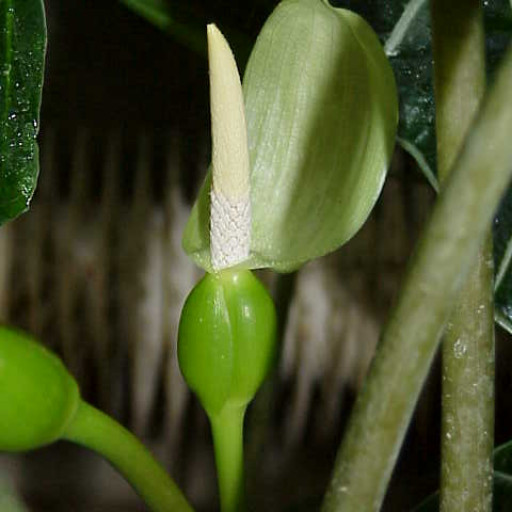
| Color | Light Butter Yellow |
| Soil Ph | 5.5 To 6.5 |
| Humidity | High |
| Lighting | Part Sun |
| Toxicity | Poisonous |
| Soil Type | Loose, Well-Draining Potting Mix Or Crumbly Loam |
| Bloom Time | Spring And Summer Growth |
| Difficulty | Medium |
| Plant Type | Tropical Plant |
| Mature Size | Size Ranges Based On Variety From Two Feet Tall And Two Feet Wide To 15 Feet Tall And Eight Feet Wide |
| Native Area | Asia |
| Temperature | 18°C - 25°C |
| Sun Exposure | Bright Indirect Light |
| Hardiness Zones | 10 And 11 For Outdoor Plants |
To grow Alocasia sanderiana, commonly known as the Jewel Alocasia or Kris plant, follow these steps:
- Choose a suitable location: Alocasia sanderiana prefers bright, indirect sunlight. Place it near a window with filtered light or in a spot with a few hours of morning or evening sun. Avoid direct sunlight, as it can scorch the leaves.
- Provide the right temperature and humidity: Alocasia sanderiana thrives in warm temperatures, ideally between 65-80°F (18-27°C). It also prefers high humidity levels, so consider using a humidifier or placing a tray of water near the plant to increase humidity.
- Select the right pot and soil: Use a well-draining pot with drainage holes and rich, loose, and well-aerated soil. A mixture of peat moss, perlite, and regular potting soil works well. Avoid compacted or heavy soil, as it can lead to root rot.
- Watering: Keep the soil consistently moist but not soggy. Water the plant when the top inch of soil feels dry, but don't let it dry out completely. Avoid overwatering, as it can cause root rot. Ensure excess water drains out of the pot to prevent waterlogging.
- Fertilization: Feed your Alocasia sanderiana with a balanced, water-soluble houseplant fertilizer every 2-4 weeks during the growing season (spring and summer). Follow the instructions on the fertilizer packaging for the correct amount and frequency.
- Pruning: Remove any dead, yellow, or damaged leaves regularly to maintain the plant's health and appearance. You can also cut back any leggy or elongated stems to encourage bushier growth.
- Repotting: Alocasia sanderiana prefers slightly crowded conditions, so repot it only when it becomes root-bound. You can repot it into a slightly larger pot using fresh potting soil during the spring.
- Pests and diseases: Monitor your plant for common houseplant pests such as aphids, mealybugs, and spider mites. Treat them accordingly with natural remedies or insecticidal soap, ensuring to follow the instructions carefully. Proper air circulation and avoiding over-watering can help prevent fungal diseases.
Remember that Alocasia sanderiana is toxic to pets and children if ingested, so keep it out of their reach. With proper care and attention, your Alocasia sanderiana should grow into a stunning plant with its unique, large, and glossy leaves!

Place in a window with dappled sun or a spot in the middle of a room. Or directly in a window facing west or east.

To water this plant, it is important to ensure that the soil is completely dry before watering. The best way to check if the soil is dry is to stick your finger about an inch into the soil – if it feels dry, then it's time to water it. When watering, water the plant thoroughly until the water runs out of the drainage holes. It is important to never let the plant sit in standing water as this can lead to root rot. It is recommended to water the plant once a week during the growing season and less frequently during the winter months when the plant is dormant. Additionally, it is crucial to maintain good humidity levels around the plant as it prefers moist conditions. This can be achieved by misting the leaves or placing a humidifier nearby.
To fertilize this plant, use a balanced water-soluble fertilizer and dilute it to half strength. Apply the fertilizer every two weeks during the growing season (spring and summer) and reduce frequency to once a month during the dormant season (fall and winter). Be sure to water the plant thoroughly before applying fertilizer to avoid root burn.
The soil recommended for Alocasia Sanderiana should be well-draining yet moisture-retentive. A mix of peat moss, perlite or sand, and a high-quality potting mix is ideal. It should be slightly acidic, with a pH between 5.5 and 6.5. Avoid heavy, clay soils or soils that are prone to becoming waterlogged. Additionally, it is important to use a pot that has drainage holes to allow excess water to escape and prevent root rot.
To propagate this plant, first, choose a healthy and mature plant to take cuttings from. Then, using a sharp and sterile pair of scissors, cut a stem from the mother plant just below a leaf node. Make sure the cutting is about 4-6 inches long and has at least one leaf on it.
Next, fill a pot with well-draining soil and water it thoroughly. Make a hole in the soil with your finger and insert the cutting into the hole, making sure the leaf is above the soil surface. Firmly press the soil around the cutting to ensure it is stable.
Finally, cover the pot with a clear plastic bag or a plastic wrap to create a humid environment for the plant. Place the pot in bright, indirect sunlight and water the soil regularly, making sure it stays moist but not overly saturated.
After a few weeks, new growth should begin to emerge. Once the new plant has grown at least 2-3 new leaves, you can remove the plastic covering and treat it as you would a mature plant.
Common pests of the sander's alocasia include Mealybugs, spider mites, fungus gnats, aphids, thrips. Make a habit of checking your sander's alocasia frequently for pests so that any infestations can be caught and managed early.








