Plant Overview
Known as the "Kedong Aloe," this Kenyan native is a socialite of the succulent world, preferring to grow in dense, sprawling thickets rather than standing alone. Hailing from the dramatic landscapes of the Great Rift Valley, it brings a touch of African wildness to rock gardens with its arching stems and fiery winter blooms. It is a rugged survivor, perfectly adapted to the rocky slopes and volcanic soils of its homeland.
🔍 How to Identify
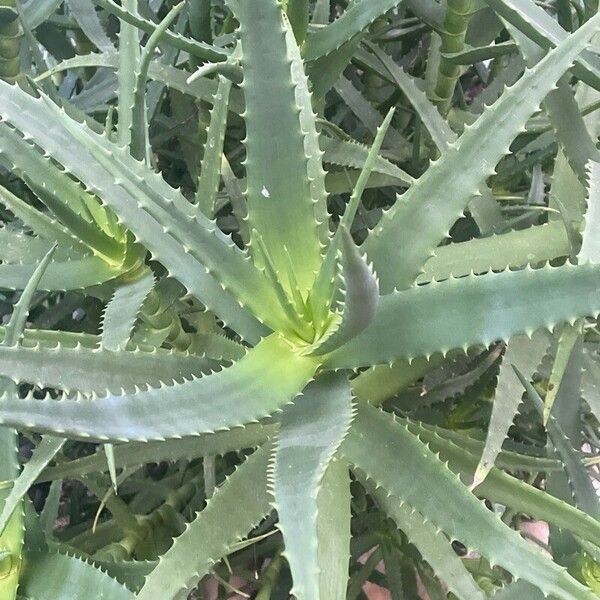
- 🍃 Curving Leaves: The foliage is long, narrow, and sword-shaped, characterized by a distinct "recurved" habit where the leaves arch gracefully backward toward the ground.
- 🦷 White Teeth: The edges of the bright green leaves are lined with small, firm, pale-white teeth that provide a sharp contrast to the succulent surface.
- 🔥 Fiery Racemes: It produces upright, unbranched flower spikes topped with cylindrical clusters of tubular, orange-red flowers that are a magnet for pollinators.
🏡 In Your Garden
- 🧱 Thicket-Forming: Unlike many solitary aloes, this species is a "clumper." It produces many suckers from the base, eventually forming a dense, shrubby hedge that is excellent for natural fencing or erosion control on slopes.
- ☀️ Sun Staining: While it loves bright light, the plant will communicate its stress; if it receives too much intense sun without enough water, the leaves will take on a reddish-bronze "sun tan" hue.
- 💧 Drainage King: Because it naturally grows on rocky escarpments, it hates "wet feet." Use a very gritty cactus mix and terracotta pots to ensure the roots never sit in stagnant water.
⚠️ Safety & Toxicity
- 🐾 Toxic to Pets: Like most Aloe species, the sap contains saponins and anthraquinones. If ingested by cats or dogs, it can cause vomiting, lethargy, and digestive distress.
- 👶 Skin Irritant: While the inner gel is often used for skin, the yellow sap (latex) just under the skin of the leaf can be a skin irritant for some people and should not be consumed.
✨ Fun Fact
The plant is named after the Kedong Valley in Kenya. In its native habitat, these thickets provide crucial shelter for small reptiles and birds, creating a tiny, self-contained ecosystem within its spiny branches!

Detailed Care Instructions
Growing Aloe kedongensis, also known as the Kedong aloe, can be a rewarding experience if you follow the right steps. Here are some tips to help you grow this beautiful and resilient plant:
1. Location
- Sunlight: This succulent thrives in full sun to partial shade. It needs at least 4-6 hours of direct sunlight each day to grow properly.
- Temperature: Aloe kedongensis prefers warm temperatures and can be intolerant to frost. Ideally, keep the temperature above 50°F (10°C). If you live in a colder climate, consider growing it in a container that can be brought indoors during winter.
2. Soil
- Well-draining Soil: Use a cactus or succulent mix that provides excellent drainage. You can also create your own mix by combining potting soil with sand or perlite.
- pH Level: Aim for a slightly acidic to neutral pH (6.0 to 7.0).
3. Planting
- Container Planting: If planting in a pot, make sure it has drainage holes at the bottom to prevent waterlogging.
- Ground Planting: If planting outdoors, choose a well-drained location and consider creating a raised bed if your soil is heavy clay.
4. Watering
- Infrequent Watering: Aloe kedongensis is drought-tolerant and prefers to be watered sparsely. Wait until the top 2-3 inches of soil are dry before watering again.
- Watering Technique: Water deeply but infrequently, making sure the water drains out fully to avoid root rot.
5. Fertilization
- Minimal Feeding: This aloe doesn't require much feeding. During the growing season (spring and summer), you can apply a diluted cactus or succulent fertilizer once a month.
- Avoid Over-fertilizing: Excessive nutrients can harm the plant.
6. Pests and Diseases
- Pest Control: While Aloe kedongensis is generally pest-resistant, it can occasionally attract pests like aphids, mealybugs, or spider mites. Inspect the plant periodically and treat any infestations with insecticidal soap or neem oil.
- Disease Prevention: Over-watering can lead to root rot. Ensure good air circulation and avoid splashing water on the leaves to reduce the likelihood of fungal diseases.
7. Propagation
- Offsets (Pups): Aloe kedongensis often produces offsets or "pups" that can be removed and replanted. Gently pull away the offset from the mother plant and allow it to dry for a day or two before planting it in well-draining soil.
- Seeds: You can also grow Aloe kedongensis from seeds, although this is a slower method. Plant the seeds in a well-draining mix and keep them moist until they germinate.
8. Maintenance
- Pruning: Trim off any dead or damaged leaves using a clean, sharp knife or scissors. This helps maintain the plant's appearance and health.
- Re-potting: If grown in a container, you may need to re-pot every 2-3 years to provide fresh soil and more space for growth.
By following these guidelines, you should be able to grow a healthy and thriving Aloe kedongensis plant. Enjoy your gardening!
Watering an Aloe kedongensis plant requires a careful approach to mimic its natural, arid environment. Here are some detailed guidelines on how to properly water this type of Aloe:
- Soil Check: Always check the soil before watering. The soil should be completely dry to the touch before you water it again. This can be checked by inserting your finger into the soil up to about an inch deep.
- Amount of Water: When you do water, ensure that you water thoroughly. This means you should continue watering until you see water begin to drain out of the bottom of the pot. This ensures that water reaches the roots deep down.
- Drainage: Proper drainage is crucial. Make sure the pot has drainage holes to allow excess water to escape. If the Aloe kedongensis is planted in the ground, ensure the soil has good drainage properties to prevent root rot.
- Frequency: During the growing season, which typically falls in the warmer months, you may need to water the plant about every two weeks. However, during the dormant period in the colder months, reduce watering significantly – you might only need to water once a month or even less.
- Pot and Soil: Use a well-draining soil mix, typically a combination of cactus potting mix or a mix of coarse sand, perlite, and regular potting soil. Avoid heavy, clay-based soils that retain moisture.
- Environment: Adapt your watering frequency based on your climate. In more humid environments, you may need to water less frequently, while in very dry, hot climates, you might need to water a bit more often.
- Signs of Overwatering: Be cautious about overwatering, as Aloe plants are prone to rot from excessive water. Symptoms of overwatering include a mushy stem, yellowing leaves, and a general lack of vigor.
- Watering Method: Ideally, use the "soak and dry" method. Water deeply and then allow the plant to dry out completely before watering again. Avoid splashing water on the leaves, as this can lead to rot or fungal issues.
By following these guidelines, you can ensure the healthy growth and maintenance of your Aloe kedongensis plant.
Fertilizing an Aloe kedongensis plant requires a balanced and mindful approach. Here are the steps to ensure proper nourishment:
- Type of Fertilizer: Use a balanced, water-soluble fertilizer with an N-P-K ratio of around 10-40-10 or 10-10-10. A specially formulated succulent or cactus fertilizer can also be a good choice.
- Dilution: Dilute the fertilizer to half the recommended strength on the packaging. These plants are not heavy feeders, and over-fertilizing can harm them.
- Frequency: Fertilize sparingly. During the active growing season (spring and summer), apply the diluted fertilizer once every 4-6 weeks. In the dormant season (fall and winter), avoid fertilizing altogether.
- Application: Water the plant first to ensure the soil is moist, then apply the diluted fertilizer solution. This helps prevent root burn.
- Observation: Regularly monitor the plant for any signs of over-fertilization, such as yellowing leaves or weak and leggy growth. Adjust the fertilization schedule accordingly if you notice these signs.
- Organic Alternatives: If you prefer organic options, consider a diluted seaweed or fish emulsion fertilizer applied once in the spring.
Remember, these plants thrive in less nutrient-rich environments, so less is often more when it comes to fertilizing.
Aloe kedongensis, native to East Africa, thrives best in well-draining soil that mimics the natural conditions of its habitat. To achieve this, consider the following soil composition and characteristics:
- Soil Mix: A cactus or succulent potting mix is ideal, as it typically contains the right balance of components for good drainage and aeration. If unavailable, you can create a similar blend by combining 2 parts regular potting soil, 1 part coarse sand, and 1 part perlite or pumice.
- Drainage: Ensure the soil is fast-draining to prevent waterlogging, which can lead to root rot. The addition of coarse sand, perlite, or pumice helps improve drainage and aeration.
- Texture: The soil should be moderately gritty to prevent compaction. A gritty texture ensures that water flows through easily, and the roots get adequate oxygen.
- pH Level: This plant prefers slightly acidic to neutral soil, with an optimal pH range of 6.0 to 7.0. You can test and amend the soil to maintain this pH range if necessary.
- Nutrient Content: While not overly demanding, the soil should be moderately fertile. Incorporate a well-balanced, slow-release fertilizer or organic amendments like compost to ensure the plant gets essential nutrients. However, avoid over-fertilizing, as it can lead to excessive growth and weaker stems.
- Organic Matter: Adding a small amount of organic matter, such as leaf mold or aged compost, can help improve soil structure and provide a slow-release source of nutrients.
When potting or planting Aloe kedongensis, ensure that the container has ample drainage holes, or if planting in the ground, choose a location with natural drainage to mimic its native arid environment. Regularly monitoring and adjusting the soil conditions will help your plant thrive.
Aloe kedongensis is a relatively large and impressive succulent known for its striking rosette formation and tall inflorescence. Here's a detailed guide on how to propagate this plant:
Propagation by Offsets (Pups)
- Identifying Offsets: Look for small rosettes or 'pups' that grow from the base of the parent plant. These are natural clones and the easiest way to propagate.
- Removal: Carefully dig around the base of the plant to expose the offset. Use a sharp, sterilized knife or shears to cut the pup away from the mother plant. Ensure that each offset has some roots attached.
- Healing: Allow the cut surfaces to heal and callous over by placing the offset in a dry, shaded area for a few days. This reduces the risk of rot.
- Planting: Plant the offset in a well-draining potting mix, ideally one designed for succulents and cacti. Water lightly and place in a location with bright, indirect sunlight.
- Care: Initially, water sparingly until the offset establishes roots. Over time, you can gradually increase watering frequency, always allowing the soil to dry out between waterings.
Propagation by Seeds
- Seed Collection: If your plant flowers and sets seed, you can collect seeds from the dried flower stalks.
- Preparation: Prepare a seed tray with a well-draining potting mix. Lightly moisten the soil.
- Sowing: Scatter the seeds on the surface of the soil and cover them lightly with a thin layer of sand or fine soil.
- Germination: Keep the seed tray in a warm, bright area but out of direct sunlight. Maintain consistent moisture using a spray bottle, ensuring the soil is never waterlogged.
- Transplanting: Once seedlings have developed a few sets of true leaves, they can be carefully transplanted into individual pots with a succulent potting mix.
Propagation by Leaf Cuttings (Less Common)
- Selection: Choose a healthy, mature leaf and use a clean, sharp knife to cut it close to the base.
- Healing: Let the leaf cure in a dry, shaded area for several days to allow the cut end to callous over.
- Planting: Place the cut end of the leaf into a pot filled with a well-draining soil mix. Bury it about an inch deep.
- Care: Water sparingly to prevent rot. It can take several weeks to a couple of months for roots and small pups to form at the base of the leaf.
General Care Tips for Propagated Plants
- Light: Provide bright, indirect sunlight. Some direct morning or late afternoon sun is beneficial.
- Watering: Allow the soil to dry out completely between waterings. Overwatering can lead to root rot.
- Soil: Use a well-draining, sandy soil mix specifically formulated for succulents and cacti.
- Temperature: Maintain temperatures between 60–85°F (15–29°C). Protect from frost and extreme heat.
- Fertilization: During the growing season (spring and summer), you can feed with a diluted, balanced fertilizer once a month.
Aloe kedongensis is an accommodating plant when it comes to propagation, and with proper care, the new plants will thrive and grow into beautiful specimens.







