Plant Overview
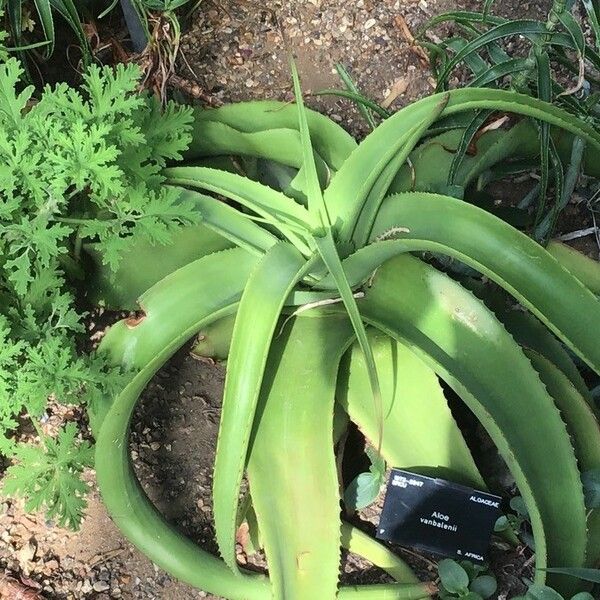
Meet the Van Balen’s Aloe, often nicknamed the "Octopus Aloe" for its long, twisting leaves that look like they are reaching out from the center. Originally from the rocky slopes of South Africa, this succulent is a master of transformation, changing its outfit from deep green to a brilliant, fiery copper-red depending on how much sun it gets.
🔍 How to Identify
- 🐙 The "Octopus" Shape: The leaves are long, deeply channeled, and recurved, meaning they gracefully arch downward and twist back toward the ground.
- 🎨 Sun-Kissed Colors: While it stays a lush green in the shade, the foliage turns a stunning cinnamon-orange or deep maroon when exposed to direct, hot sunlight.
- 🦷 Marginal Teeth: The edges of the leaves are lined with small, reddish-brown teeth that are firm to the touch but not as sharp as some of its desert cousins.
- 🏮 Yellow Spires: In the winter, it sends up tall, elegant flower spikes (inflorescences) topped with tubular yellow or pale orange blossoms that are a magnet for hummingbirds.
🏡 In Your Garden
- ☀️ Stress is Beauty: Unlike most plants, this Aloe looks its best when "stressed" by the sun. If you keep it in a shady corner, it will remain green and lose that iconic copper glow.
- 🪨 The "No-Rot" Zone: Because it naturally grows on rocky outcrops, it has a shallow root system that hates sitting in soggy soil. Always use a gritty, cactus-mix soil and choose a pot with excellent drainage to prevent root rot.
- 🤝 The Perfect Neighbor: It is a clumping species, meaning it will eventually sprout "pups" and spread out. It makes a dramatic groundcover for xeriscaped gardens or a striking centerpiece in a large terracotta bowl.
⚠️ Safety & Toxicity
- 🐾 Pet Alert: Like many members of the Aloe family, Van Balen's Aloe contains saponins and anthraquinones. It is considered toxic to dogs and cats if chewed, leading to digestive upset or lethargy.
- 🧤 Skin Sensitivity: While the inner gel isn't typically dangerous, the yellow sap (latex) just under the skin can cause mild irritation or itching for people with sensitive skin.
✨ Fun Fact
If you gently bruise or crush a leaf of the Aloe vanbalenii, it releases a distinct, spicy scent that many gardeners describe as smelling exactly like cinnamon!

Detailed Care Instructions
To grow Aloe vanbalenii successfully, follow these steps:
- Select a suitable location: Aloe vanbalenii requires bright indirect sunlight, so choose a spot where it can receive at least 4-6 hours of sunlight a day. It can also tolerate partial shade.
- Use well-draining soil: Aloe vanbalenii prefers sandy or gritty soil that drains well. A combination of potting soil, sand, and perlite is ideal. Avoid compact or waterlogged soils.
- Planting: If growing in a pot, use a container with drainage holes. Fill the pot with the prepared soil mixture and plant the Aloe vanbalenii at the same depth it was growing previously. If planting in the ground, dig a hole slightly larger than the root ball, place the plant in the hole, and backfill with the soil mixture.
- Watering: Allow the soil to dry out between waterings. Overwatering can cause root rot, so ensure the soil is completely dry about an inch deep before watering again. During the dormant period in winter, reduce watering frequency.
- Fertilizing: Aloe vanbalenii does not require frequent fertilization. Apply a balanced, water-soluble fertilizer diluted to half strength once or twice a year during the growing season, following the package instructions. Avoid fertilizing during the dormant period.
- Propagation: Aloe vanbalenii can be propagated through offsets. Gently remove the offsets from the main plant and allow them to dry for a day or two before planting them in their own pots or in the ground. Alternatively, seeds can be sown, but they can take longer to germinate and establish.
- Pruning: Aloe vanbalenii generally does not require regular pruning, but you can trim off any dead or damaged leaves or remove the offsets to prevent overcrowding.
- Protection: If you live in a colder climate, ensure the plant is protected from frost or extremely cold temperatures. Consider moving potted plants indoors during the winter or providing frost protection for those planted in the ground.
Remember to research any specific requirements or considerations for Aloe vanbalenii in your particular climate.

Place in a bright room that is sun drenched almost all day. Or directly in a south-facing window.

To water this particular plant, it is important to wait until the soil is dry and then provide a thorough watering, allowing the water to soak through the soil. It is important not to overwater the plant, as this can lead to root rot. In drought-like conditions, it may be necessary to water the plant more frequently, but still ensuring the soil is thoroughly dry between waterings. It is also important to ensure proper drainage in the pot or container to prevent water from pooling at the bottom.
To fertilize this plant, mix a balanced, water-soluble fertilizer at half strength and apply it to the soil during the growing season (spring and summer). This plant does not require frequent fertilization, so avoid over-fertilizing as it can damage the plant. Water the plant thoroughly before and after fertilizing to avoid burning the roots.
A suitable soil for Aloe Vanbalenii plant is a well-draining soil mix that is rich in organic matter. It should have a pH level between 6.0 to 7.0 and should not be too compact or retain too much moisture. A mix of sand, perlite, and peat moss is a good option, or a cactus/succulent soil mix can also be used. It is important to make sure the soil is not too heavy or dense, as this can lead to root rot and other issues. Additionally, adding some coarse gravel or rocks to the bottom of the pot can aid in drainage and prevent waterlogged conditions.
Aloe Vanbalenii plant can be propagated through stem cuttings. To do this, carefully remove a stem from the mother plant using a sharp, sterilized knife or pair of scissors. Allow the cutting to dry in a shady spot for 2-3 days to allow the cut end to callus over. Once the cutting has callused, plant it into well-draining soil at a depth that allows the stem to remain upright. Water sparingly to prevent the cutting from rotting and keep it in a bright, warm location out of direct sunlight. The cutting should begin to establish roots within a few weeks and can be transplanted once it has developed a strong root system.
Common pests of the van balen's aloe include Scale insect, mealybugs, spider mites, thrips. Make a habit of checking your van balen's aloe frequently for pests so that any infestations can be caught and managed early.








