Plant Overview
Often called the Meadow Foxtail, this elegant perennial grass is one of the first signs that spring has truly arrived in the countryside. With its silky, brush-like flower heads that sway gently in the breeze, it transforms damp pastures into soft, waving green seas. While it looks like a decorative garden grass, it has a long history as a nutritious forage plant for livestock.
🔍 How to Identify
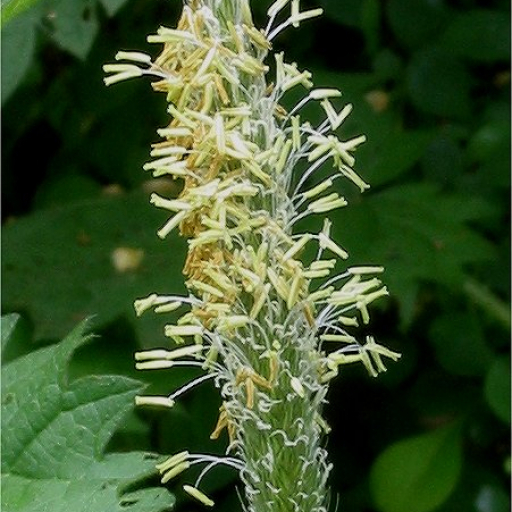
- 🌾 The "Foxtail" Spike: The most distinct feature is the dense, cylindrical flower head that looks like a soft, furry tail. It typically emerges light green and matures into a silvery-grey or purplish hue.
- 🍃 Leaf Structure: The leaves are broad, flat, and hairless, usually displaying a deep green or slightly bluish-green tint. They are soft to the touch but have a slight roughness along the edges.
- ✨ Silky Awns: If you look closely at the flower spike, you’ll see tiny hair-like protrusions called awns. These give the plant its signature "shimmering" look when caught in the sunlight.
🏡 In Your Garden
- 💧 The Moisture Seeker: Unlike many ornamental grasses that prefer well-drained soil, the Meadow Foxtail thrives in heavy, damp, or even boggy ground. It is an excellent choice for stabilizing soil near ponds or in low-lying areas of the yard.
- 🌱 Cool-Season Growth: This plant is a "early riser." it begins its growth cycle while other plants are still dormant in late winter and flowers by mid-spring. However, be mindful that it can be a vigorous spreader; if you don't want a "meadow look," you may need to deadhead the spikes before they drop their seeds.
⚠️ Safety & Toxicity
- 🤧 Allergic Reaction: While Meadow Foxtail is non-toxic to humans and animals, it is a major producer of wind-borne pollen. It is a frequent culprit for early-season hay fever (allergic rhinitis).
- 🐾 Pet Precaution: The plant is safe for pets to be around, but like all "foxtail" type grasses, the dried seed heads can sometimes become lodged in a dog’s fur, ears, or between their toes, which may cause minor skin irritation or infections if not removed.
✨ Fun Fact
The scientific name Alopecurus is derived from the Greek words alopex (fox) and oura (tail). It has been used in European meadows for centuries and was one of the first grass species ever to be scientifically described by Carl Linnaeus in 1753.

Detailed Care Instructions
To grow Alopecurus pratensis, also known as meadow foxtail, you can follow these steps:
- Choose the right location: Meadow foxtail thrives in full sun to partial shade. Select a spot in your garden or a well-draining container that receives at least 4-6 hours of direct sunlight daily.
- Prepare the soil: Meadow foxtail prefers fertile, moist but well-draining soil. Loosen the soil with a garden fork or tiller to improve drainage and remove any debris, rocks, or weeds.
- Sow seeds: Directly sow the seeds in early spring or late summer, maintaining a depth of around ¼ inch. Cover the seeds with a light layer of soil and gently tamp it down.
- Watering: Keep the soil consistently moist without waterlogging it. Avoid letting the soil dry out completely between waterings, especially during the germination phase. Once the plant is established, it can tolerate some drought.
- Fertilization: Apply a balanced slow-release fertilizer during the growing season to provide essential nutrients. Follow the packaging instructions for the appropriate amount and frequency.
- Weed control: Regularly remove any weeds that compete for nutrients and space. Be careful when weeding to avoid disturbing the fragile roots of meadow foxtail.
- Mulching: Mulching around the plant can help retain moisture, suppress weed growth, and provide insulation during extreme temperatures.
- Maintenance: Meadow foxtail requires minimal maintenance. However, you may trim back any dead or damaged portions of the plant in spring to promote healthy growth.
- Harvesting: If you are growing meadow foxtail for its hay or forage, harvest the plant when it is in the early bloom stage. Cut the plants about 3-4 inches above the ground and dry them before storage.
It's important to note that Alopecurus pratensis is primarily grown as a forage grass and may not be commonly cultivated as an ornamental plant for home gardens. Ensure that it is suitable for your specific gardening needs and aims.

Place in a bright room that is sun drenched almost all day. Or directly in a south-facing window.

To effectively water this plant, you should first ensure that the soil is dry to the touch before watering. When watering, use a watering can or hose and water at the base of the plant, being careful not to get water on the leaves or flowers. Water until the soil is evenly moist and not waterlogged. It is important to not overwater this plant as it can cause root rot. Monitor the plant regularly to determine if it needs watering, as the frequency of watering will depend on factors such as the temperature, humidity, and amount of sunlight it receives.
To fertilize this plant, apply a balanced fertilizer with a nitrogen-phosphorus-potassium (NPK) ratio of 10-10-10 or 12-12-12 in early spring before new growth begins. Apply at a rate of 1 pound per 100 square feet, or as directed on the fertilizer label. Water thoroughly after fertilizing. Avoid over-fertilizing, as this can lead to excessive leaf growth at the expense of flowers or seed production.
The ideal soil type for the plant has a well-drained texture, with a pH range of 6.0 to 7.5. The soil should also be rich in organic matter and able to retain moisture, as the plant prefers consistently moist soil. It is recommended to avoid excessively sandy or heavy clay soils as they may cause issues with drainage and nutrient availability. Prior to planting, it is recommended to prepare the soil by adding compost or other organic matter, along with a slow-release fertilizer to help support the plant's growth.
To propagate this plant, you will need to harvest the seeds during the correct season. After the seed heads have turned brown and have started to dry out, you can gently remove them from the plant and collect them in a container.
Before planting the seeds, you will need to prepare the soil by removing weeds and loosen the soil. Then you can plant the seeds in rows, making sure they are not planted too deeply.
Water the seeds regularly, but not so much that the soil becomes waterlogged. The seeds will typically germinate within a week to 10 days, and after a couple of weeks, you should see seedlings start to emerge from the soil.
As the plants grow, you will need to thin them out, leaving only the healthiest and strongest seedlings to mature. Over time, the plants will produce seed heads of their own, and the cycle can start anew.








