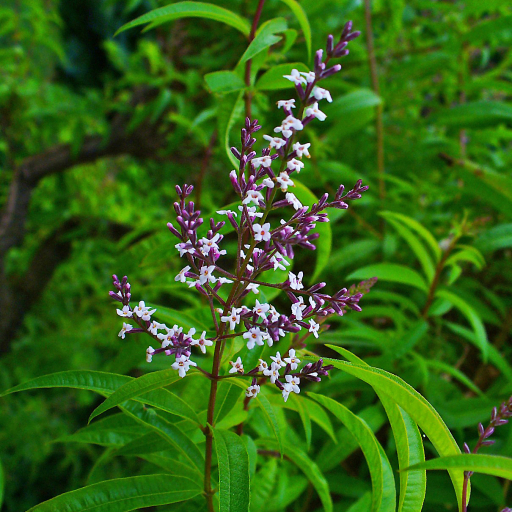
Plant Overview
Known as the "Queen of Lemon Herbs," Aloysia citriodora is a woody shrub that brings a powerful, sherbet-like citrus punch to any garden. Originally hailing from South America, it became a Victorian-era favorite for scenting linens and brewing refreshing, uplifting teas. Simply brushing against its foliage releases an intense aroma that often smells more like a lemon than the fruit itself.
🔍 How to Identify
- 🍃 The Leaves: Look for long, narrow, lance-shaped leaves that grow in "whorls" (groups of three) along the stem. They have a slightly rough, sandpaper-like texture.
- 🌸 The Blooms: In late summer, the plant produces airy, delicate spikes of tiny white or pale lavender flowers that are highly attractive to butterflies.
- 🌳 Growth Habit: It grows as a leggy, multi-stemmed shrub. While it can reach 6–8 feet in tropical climates, it usually stays much smaller and more manageable in garden pots.
🏡 In Your Garden
- ☀️ Sun & Oil Production: This plant is a sun-worshiper. It needs maximum light to produce the essential oils that give it that signature fragrance. If grown in too much shade, it will become "leggy" and lose its scent.
- ❄️ The Winter "Fainting": Don't be alarmed if your plant drops every single leaf in the autumn! It is naturally deciduous. It is very frost-sensitive, so if you live in a cold climate, you must bring it indoors or into a garage to overwinter.
- ✂️ Pruning Nuance: It can become quite woody and sparse if left alone. Regular "pinching" or pruning encourages a bushier shape and provides you with plenty of leaves for the kitchen.
⚠️ Safety & Toxicity
- ✅ Human Safety: It is entirely safe for human consumption and is a popular ingredient for herbal teas, poultry dishes, and fruit salads.
- 🐾 Pet Watch: While not listed as a major toxin, the high concentration of essential oils can cause mild digestive upset in cats or dogs if they eat large quantities.
- 🧴 Skin Sensitivity: Some sensitive individuals may experience mild skin irritation (dermatitis) when handling the rough leaves in bright sunlight.
✨ Fun Fact
In the classic novel Gone with the Wind, Lemon Verbena was the favorite scent of Scarlett O’Hara’s mother, Ellen. In the 19th century, it was so prized for its fragrance that it was a staple in "tussie-mussies" (small handheld bouquets) used to mask the unpleasant odors of city streets.

Detailed Care Instructions
| Color | Purple Buds Open To White Blossoms |
| Soil Ph | Slightly Acidic; 6.1 To 7.0 |
| Lighting | Full Sun |
| Soil Type | Rich And Moist |
| Bloom Time | Late Summer |
| Plant Type | Tender Perennial In Frost-Free Zones |
| Mature Size | 6 Feet Where Hardy |
| Native Area | South America, Especially Chile And Peru |
| Sun Exposure | Full Sun |
| Hardiness Zones | Usda Growing Zones 8 Through 11 |
To grow Aloysia Citriodora, also known as Lemon Verbena, follow these steps:
- Choose the right location: Lemon verbena requires full sun, so select a spot in your garden that receives at least 6-8 hours of direct sunlight per day. Ensure the soil is well-drained.
- Prepare the soil: Loosen the soil using a garden fork or tiller to a depth of about 12 inches. Remove any rocks, weeds, or roots from the planting area. Enrich the soil with compost or organic matter to improve its texture and fertility.
- Obtain healthy plants: Purchase lemon verbena seedlings or start them from seeds. If you opt for seeds, sow them indoors in a pot 8-10 weeks before the last frost date. Transplant the seedlings outdoors when they are about 4-6 inches tall and the threat of frost has passed.
- Planting: Dig a hole that is slightly larger than the root ball of the plant. Place the plant in the hole, keeping the crown at soil level. Backfill the hole, gently firming the soil around the plant. Water thoroughly to settle the soil.
- Watering and fertilization: Lemon verbena requires regular watering, especially during dry periods. Keep the soil moist, but not overly saturated. Use a slow-release, balanced fertilizer or organic compost once a month to provide essential nutrients.
- Pruning: Trim the plant regularly to maintain its size and shape. Pruning also promotes bushier growth. Cut back the stems by about one-third each spring, just as new growth begins.
- Pests and diseases: Lemon verbena is generally resistant to pests and diseases. However, keep an eye out for common garden pests like aphids, spider mites, and whiteflies. If infestations occur, treat the plants with insecticidal soap or neem oil.
- Harvesting: Harvest the leaves as needed once the plant reaches a height of 12-18 inches. Snip off individual leaves or stems, leaving enough foliage for the plant to continue growing. The leaves are best used fresh, but you can also dry them for later use.
By following these steps, you should be able to grow healthy and thriving Aloysia Citriodora plants in your garden.

Place in a bright room that is sun drenched almost all day. Or directly in a south-facing window.

To water this plant, it is important to keep the soil moist but not overly saturated. Wait for the top layer of soil to dry out before watering, and make sure the water penetrates deep into the soil. Avoid getting water on the leaves as this can damage them. Use room temperature water and avoid using water that has been treated with chemicals. It is important to note that this plant prefers well-draining soil and can suffer from root rot if left in standing water. Ensure proper drainage by providing a pot with drainage holes and avoid overwatering.
To fertilize this plant, apply a balanced fertilizer with equal amounts of nitrogen, phosphorus, and potassium. Use a slow-release fertilizer preferably during the growing season, and avoid over-fertilizing. Follow the manufacturer's instructions on the fertilizer packaging and don't exceed the recommended amount. Water the plant before and after application to prevent burning the roots.
The ideal soil for the Aloysia Citriodora plant should be well-draining and nutrient-rich. It should be a mixture of sandy soil, garden soil, and organic compost. The pH level of the soil should be between 5.5 to 7.5. The plant prefers slightly acidic to neutral soil. The soil should be moist but not waterlogged. Overwatering can cause root rot, which is detrimental to the plant's health. The addition of perlite or vermiculite to the soil mix can improve drainage and prevent waterlogging. It is important to avoid using heavy clay soil or soil with high salinity levels as it can affect the plant's growth and health.
To propagate this plant, first take a stem cutting that is about 4-5 inches long and remove the leaves from the bottom half of the stem. Dip the cut end of the stem in rooting hormone powder and plant it in a pot filled with moist potting soil. Cover the pot with a plastic bag to increase humidity and keep it in a warm, bright location. Water the soil when it starts to dry out and remove the plastic once new growth appears. Transplant the rooted cutting into a larger pot or into the garden once it has established a strong root system.
Common pests of the lemon verbena include Spider mites, aphids, whiteflies. Make a habit of checking your lemon verbena frequently for pests so that any infestations can be caught and managed early.








