Plant Overview
Often called Joseph’s Coat or the Parrot Leaf, this vibrant tropical perennial is a living kaleidoscope. Native to the warm regions of Central and South America, it is prized not for its flowers, but for its stunning, multicolored foliage that looks as though a painter splashed it with shades of burgundy, lime, and rose. In many cultures, it is the go-to choice for creating "living carpets" in botanical gardens.
🔍 How to Identify
- 🍃 The Foliage: Its most striking feature is the small, lance-shaped or "spoon" shaped leaves that come in a chaotic mix of green, purple, yellow, orange, and red.
- 🌱 Growth Habit: It typically grows in a low, bushy mound, rarely exceeding 6 to 12 inches in height, making it an excellent groundcover or container filler.
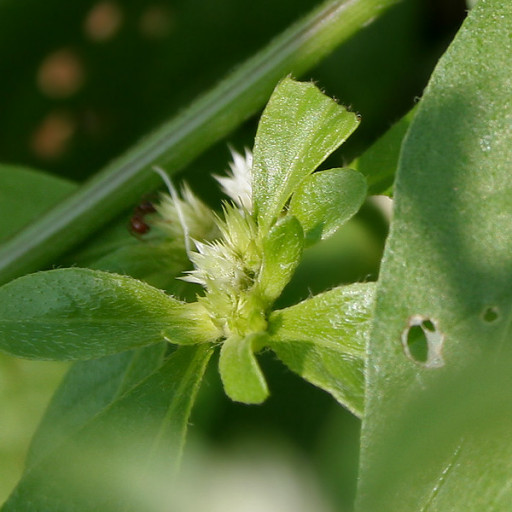
- ☁️ The Flowers: It produces very small, inconspicuous white or off-white clover-like flower clusters that hide among the leaf axils.
🏡 In Your Garden
- 🌈 Light for Color: While it can survive in partial shade, this plant is a "light-eater." To get those neon pinks and deep purples to pop, it needs plenty of bright, indirect sunlight; otherwise, it may revert to a dull green.
- 💧 The "Diva" Wilt: Alternanthera ficoidea is known for being a bit dramatic. If the soil stays dry for too long, the entire plant will collapse and look dead, only to "resurrect" miraculously an hour after being watered.
- ✂️ Pinching for Fullness: To prevent it from getting leggy or "stretchy," gardeners should regularly pinch off the growing tips. This encourages the plant to grow sideways and stay dense and carpet-like.
⚠️ Safety & Toxicity
- ✅ Status: Non-toxic and generally safe.
- 🐾 Details: This plant is considered non-toxic to cats, dogs, and horses. While it won't cause poisoning, it’s still best to keep it out of reach of curious nibblers to avoid mild stomach upset or damage to your beautiful display.
✨ Fun Fact
In the Victorian era, Alternanthera ficoidea was the superstar of "carpet bedding"—a style of gardening where plants were packed tightly together and sheared regularly to create intricate, clock-like designs or even spelled-out words on the lawn!

Detailed Care Instructions
| Color | Mid-Green Leaves With Red, Orange, Purple, And Magenta Markings And White Flowers |
| Soil Ph | 6-8 |
| Humidity | High |
| Lighting | Full Sun |
| Soil Type | Moist But Well-Drained Soil |
| Bloom Time | Late Spring And Summer |
| Difficulty | Medium |
| Plant Type | Perennial Often Grown As An Annual |
| Mature Size | 1-2 Feet In Height |
| Native Area | South America |
| Temperature | 5°C - 25°C |
| Sun Exposure | Full Sun Or Partial Shade |
| Hardiness Zones | 10-12 |
To grow Alternanthera Ficoidea plants, follow these steps:
- Choose the right location: These plants thrive in bright indirect sunlight. Select a spot that receives 4-6 hours of sunlight per day. If growing indoors, place them near a window with bright, filtered light.
- Prepare the soil: The soil should be well-draining and fertile. Mix organic matter such as compost or peat moss into the soil to improve its quality.
- Planting: Dig a hole slightly larger than the root ball of the plant. Gently remove the plant from its container and place it in the hole. Fill the hole with soil and firm it gently around the base of the plant.
- Watering: Keep the soil moist but avoid overwatering. It's better to water deeply and less frequently rather than small amounts frequently. Allow the top inch of soil to dry out between waterings.
- Fertilization: Feed the plant with a balanced, water-soluble fertilizer every 4-6 weeks during the growing season (spring and summer). Follow the instructions on the packaging for the correct dosage.
- Pruning: Regularly trim the plant to maintain its shape and encourage bushier growth. Pinch back the tips of new growth to promote branching.
- Pests and diseases: Keep an eye out for common pests like aphids, mealybugs, and spider mites. Treat infestations with organic insecticidal soaps or horticultural oils. Avoid overwatering to prevent root rot.
- Temperature and humidity: Alternanthera Ficoidea plants prefer temperatures between 65-85°F (18-29°C). They appreciate moderate to high humidity levels, particularly in dry climates or during winter months when indoor heating can make the air dry.
- Propagation: These plants are easily propagated through stem cuttings. Take 4-6 inches long healthy stem cuttings from the parent plant and place them in moist soil or a glass of water. Keep them in a warm, bright location until roots develop.
By following these steps, you should be able to successfully grow Alternanthera Ficoidea plants.

Place in a window with dappled sun or a spot in the middle of a room. Or directly in a window facing west or east.

Alternanthera Ficoidea plant should be watered regularly and consistently to keep the soil moist but not waterlogged. It is important to allow the top inch of soil to dry out before watering again, as too much water can lead to root rot. When watering, it is best to use room temperature, filtered or distilled water to prevent any potential harm from chemicals that may be present in tap water. Watering should be done at the base of the plant rather than overhead, as this will prevent water from getting onto leaves and potentially causing damage or disease. During the winter months, Alternanthera Ficoidea may require less frequent watering due to lower temperatures and reduced sunlight. In general, it is important to pay close attention to the plant's specific watering needs and adjust accordingly.
To fertilize this plant, you should use a balanced, water-soluble fertilizer. Dilute the fertilizer to half the recommended strength and apply it every two to three weeks during the growing season. Avoid fertilizing during the winter months when growth is slower. Water the plant thoroughly before and after fertilizing to prevent fertilizer burn.
The Alternanthera Ficoidea plant grows best in a well-draining soil that is rich in nutrients. The soil should have a pH level between 5.5 to 7.5, which is slightly acidic to neutral. It is recommended to mix the soil with perlite or sand to improve drainage. Organic matter such as compost or aged manure can also be added to ensure adequate nutrient supply. The soil should be kept moist but not waterlogged. The Alternanthera Ficoidea plant is susceptible to root rot, so it is important to avoid overwatering.
The first step to propagate Alternanthera Ficoidea plant is to prepare a suitable stem cutting from a healthy and mature plant. The cutting should be approximately 3-4 inches long and should contain at least two sets of leaves.
Next, remove the leaves from the lower third of the stem and dip the cut end of the stem in rooting hormone powder. This will help to encourage the stem to form roots.
Place the stem cutting in a small container filled with a well-draining potting mix. The mix should be moist but not waterlogged. Cover the container with a plastic bag or dome to create a humid environment for the cutting.
Place the container in a location that receives bright, indirect light and maintain a consistent temperature between 70-80°F. Check the cutting regularly to ensure the soil remains moist and mist the leaves with water as needed to maintain humidity.
After a few weeks, the cutting should begin to form roots and new growth. Once the cutting has established roots and new growth, it can be transplanted into a larger container or planted in the ground.
Common pests of the sanguinaria include Spider mites, aphids, thrips. Make a habit of checking your sanguinaria frequently for pests so that any infestations can be caught and managed early.








