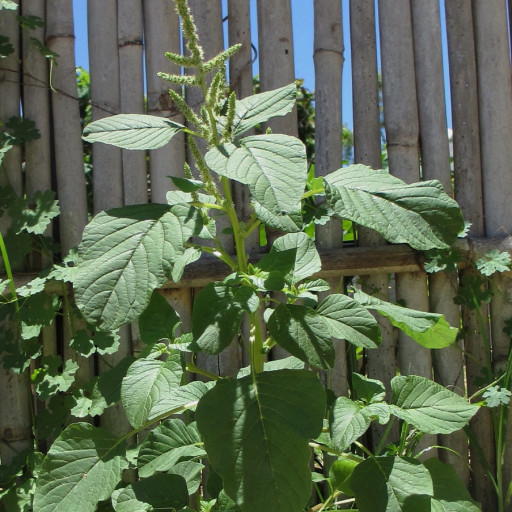
Plant Overview
Often called the Purple Amaranth or Livid Amaranth, this humble green is the quiet traveler of the botanical world. While many gardeners dismiss it as a mere weed, Amaranthus blitum has been a staple "potherb" in Mediterranean and Asian cuisines for centuries. It is a resilient survivor that turns neglected patches of dirt into a source of nutrient-dense foliage.
🔍 How to Identify
- 🍃 The Leaf Notch: The most tell-tale sign is the "emarginate" tip—a distinct little notch or indent at the end of the broad, teardrop-shaped leaves.
- 🎨 Color Palette: While the leaves are primarily green, the stems and leaf veins often blush with a deep reddish-purple or "livid" hue.
- 🌾 Flower Spikes: It produces small, inconspicuous green flower clusters that grow in tight bundles where the leaf meets the stem (axils) or at the very top of the plant.
🏡 In Your Garden
- 🌱 The Pioneer Spirit: This plant loves "disturbed" soil. If you’ve recently tilled your garden or cleared a patch of land, don't be surprised if the Purple Amaranth is the first guest to arrive, signaling that your soil is rich in nitrogen.
- ☀️ Summer Resilience: Unlike spinach or lettuce, which bolt and turn bitter when the heat hits, this plant thrives in the sweltering sun. It’s a "C4 plant," meaning it has a specialized way of breathing that makes it incredibly efficient in hot, dry conditions.
⚠️ Safety & Toxicity
- 🥗 Status: Generally edible for humans, but requires knowledge of the environment.
- 🧪 Nitrate Warning: Amaranths are "nitrate accumulators." If they grow in soil heavily treated with chemical fertilizers or near runoff, they can store high levels of nitrates, which are toxic if consumed in large quantities.
- 🦴 Oxalate Content: Like its cousin spinach, it is high in oxalates. Those prone to kidney stones should consume it in moderation. It is generally safe for cats and dogs in small nibbles, but can be toxic to livestock (cattle and sheep) if it makes up the bulk of their diet.
✨ Fun Fact
- 🏛️ The Unfading Flower: The name Amaranthus comes from the Greek word amarantos, meaning "unfading." Ancient Greeks considered amaranth species a symbol of immortality because the flowers retain their vibrant colors even after being picked and dried.

Detailed Care Instructions
| Soil Ph | 6.5 To 7.5 (Neutral) |
| Lighting | Full Sun |
| Toxicity | Toxic |
| Soil Type | Average, Well-Drained Soil |
| Bloom Time | Mid Summer To Frost (Varies By Species) |
| Plant Type | Herbaceous Annuals |
| Mature Size | 1-3 Ft. Tall |
| Native Area | Northern America |
| Sun Exposure | Full Sun To Part Shade |
| Hardiness Zones | 2-11 |
To grow Amaranthus blitum, also known as Livid Amaranth or Purple Amaranth, follow these steps:
- Choose a suitable location: Amaranthus blitum prefers full sun but can tolerate partial shade. Select a spot with well-draining soil.
- Prepare the soil: Ensure the soil is fertile, rich in organic matter, and well-draining. Consider adding compost or well-rotted manure to improve soil quality.
- Sow the seeds: Amaranthus blitum can be directly sown outdoors after the last frost date. Sow the seeds about 1/4 inch deep and 12-18 inches apart. You can also start seeds indoors 4-6 weeks before the last frost and transplant them outdoors when the weather is warmer.
- Watering: Keep the soil consistently moist but not waterlogged. Water deeply once or twice a week, depending on the weather conditions. Avoid overwatering, as it can lead to root rot.
- Fertilizer: Amaranthus blitum doesn't require heavy fertilization, as it can thrive in various soil conditions. However, you can apply a balanced fertilizer, such as a 10-10-10, at half strength once a month to provide additional nutrients.
- Mulching: Apply a layer of organic mulch around the plants to help retain soil moisture, suppress weed growth, and provide some insulation to the roots.
- Pruning: Pinching off the tips of the plants when they are young can help encourage bushier growth. Additionally, removing any yellow or dead leaves can keep the plant looking tidy.
- Pests and diseases: Amaranthus blitum is generally resistant to pests and diseases. However, keep an eye out for aphids and caterpillars. If infested, use insecticidal soap or organic pest control methods to address the issue.
- Harvesting: Harvest the tender leaves and stems when they are young and around 4-6 inches long. Regular harvesting encourages branching and new growth.
With proper care and maintenance, your Amaranthus blitum plant should thrive and provide an abundant harvest throughout the growing season.

Place in a bright room that is sun drenched almost all day. Or directly in a south-facing window.

To water this plant, make sure to provide a consistent amount of moisture to the soil, without overwatering. Allow the top layer of soil to dry out slightly before watering again, but don't let the soil completely dry out. When watering, apply water directly to the soil around the base of the plant rather than the leaves. This will help prevent any potential fungal infections. Additionally, it's important to avoid getting water on the foliage during evening watering, as damp leaves can create an attractive environment for pests and diseases to grow.
To fertilize this plant, you should first prepare a well-draining soil mix with organic matter. Then, apply a balanced fertilizer, such as a 10-10-10 or 20-20-20 blend, once every two weeks during the growing season. Make sure to water the plant well before and after applying fertilizer to prevent root burn. Avoid over-fertilizing, as this can lead to excessive foliage growth and reduced yield.
The ideal soil for Amaranthus Blitum should be fertile and well-drained, with a pH between 6.0 and 7.5. It should also have sufficient organic matter content to support the plant's growth. A mixture of loam and compost is recommended for this plant. The soil should be moist but not waterlogged, and it should be allowed to dry out slightly between watering to prevent root rot. The addition of a slow-release fertilizer can help promote healthy growth. It is important to avoid using soil that contains high levels of salts or heavy metals, as these can be harmful to the plant.
To propagate this plant, you can collect the seeds from the flower heads when they turn brown and dry. Sow the seeds in a well-draining soil mix and keep the soil evenly moist until germination. It is best to sow the seeds directly where they are intended to grow as the plant does not like to be transplanted. Once the plant germinates and starts to grow, thin out the seedlings to allow for proper spacing. This plant prefers full sun and can tolerate heat and drought. In about 6-8 weeks, the plant will reach maturity and can produce seeds for the next growing season.
Common pests of the purple amaranth include Larvae. Make a habit of checking your purple amaranth frequently for pests so that any infestations can be caught and managed early.








