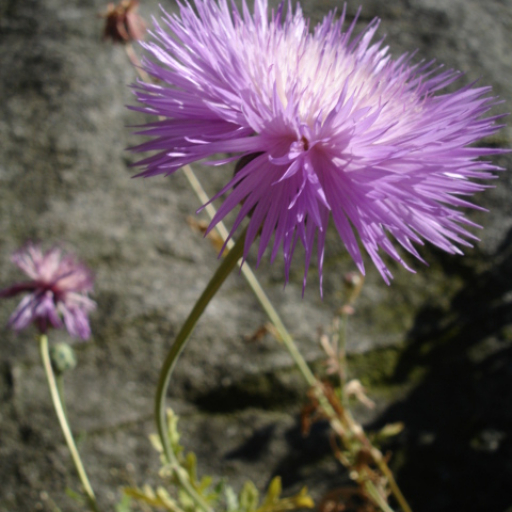
Plant Overview
Often called the Sweet Sultan, this Victorian-era favorite is famous for its intoxicating honey-like fragrance that grows stronger as the sun warms the garden. Native to the rugged landscapes of the Middle East, it looks like a soft, sophisticated cousin of the common thistle, trading sharp prickles for feathery petals and a perfume that was once a staple in royal Ottoman gardens.
🔍 How to Identify
- 🌸 Fringed Blooms: Each flower head is a delicate, starburst "puff" of deeply cut petals that resemble a silk tassel or a tiny explosion of color.
- 🌿 Feathery Foliage: The leaves are a soft, greyish-green and have a serrated, lobed appearance that looks light and airy rather than dense.
- 📏 Slender Stems: The flowers sit atop long, wiry, and leafless stalks, which makes them stand out in a meadow and perfect for cutting for vases.
🏡 In Your Garden
- 🏜️ Taproot Sensitivity: Unlike many bedding plants, Sweet Sultan develops a long, singular taproot. This makes it very drought-tolerant but means it hates being moved; it’s best to sow seeds directly in the ground to avoid "transplant shock."
- 💨 Drainage is Key: While it loves a drink, it cannot stand "wet feet." In heavy clay soil, the roots can rot quickly, so it thrives best in sandy or gravelly spots where water moves through fast.
- ✂️ Deadheading Rewards: To keep the honey scent wafting all summer, snip off faded flowers. This prevents the plant from putting energy into seeds and forces it to produce more blooms.
⚠️ Safety & Toxicity
- 🐾 Pet Friendly: Good news for animal lovers—Amberboa moschata is generally considered non-toxic to dogs, cats, and horses.
- 🧤 Mild Irritant: While not poisonous, the fine hairs on the stems can occasionally cause mild skin irritation or itching for gardeners with very sensitive skin. Wearing gloves while pruning is a good precaution.
✨ Fun Fact
The Sweet Sultan was brought to England from the Ottoman Empire in the early 1600s. It became so popular in the 17th century that it was used as a "living perfume," and its seeds were once traded for high prices among European aristocrats who wanted their estates to smell like "the Sultan's palace."

Detailed Care Instructions
Growing Amberboa moschata, also known as sweet sultan, is a rewarding endeavor as these annual flowers are known for their beautiful, thistle-like blooms and pleasant scent. Here's a step-by-step guide to help you grow Amberboa moschata successfully:
1. Select the Right Location
- Sunlight: Plant them in a location that gets full sun to partial shade. They thrive best with at least 6 hours of sunlight per day.
- Soil: Amberboa moschata prefers well-draining soil. They are not very particular about soil type but do best in moderately fertile soil.
2. Prepare the Soil
- Loosen Soil: Loosen the soil to a depth of 8-10 inches and remove any weeds or debris.
- Soil Amendments: Working in compost or a balanced fertilizer can help improve soil fertility and drainage.
3. Planting Seeds
- Timing: Sow the seeds indoors about 6-8 weeks before the last expected frost date in your area, or directly in the garden after the last frost.
- Seed Depth: Plant seeds about 1/4 inch deep.
- Spacing: Space seeds about 8-12 inches apart to allow enough room for growth and airflow.
4. Germination and Growing
- Watering: Keep the soil consistently moist but not waterlogged. Watering in the morning is generally best.
- Temperature: The ideal temperature for germination is between 65-70°F (18-21°C). Seeds usually germinate within 1-2 weeks.
5. Transplanting (if Started Indoors)
- Hardening Off: Before transplanting seedlings outdoors, harden them off by gradually exposing them to outdoor conditions over a week.
- Transplant: Transplant seedlings to their final location after the danger of frost has passed.
6. Care and Maintenance
- Watering: Once established, water the plants regularly, especially during dry periods. They prefer moderate watering.
- Feeding: Feed with a balanced, water-soluble fertilizer once a month during the growing season.
- Weeding: Keep the planting area free of weeds to reduce competition for nutrients and water.
- Staking: Taller varieties may need staking to keep them upright, especially in windy areas.
7. Flowering and Deadheading
- Bloom Time: Amberboa moschata typically blooms in late spring to early summer.
- Deadheading: Remove spent blooms to encourage continued flowering and to keep the plants looking tidy.
8. Pests and Diseases
- Common Issues: Generally, these plants are not too prone to pests and diseases, but they can sometimes be affected by aphids or powdery mildew. Inspect plants regularly and treat any issues promptly with organic or conventional methods.
9. Harvesting
- Cut Flowers: Amberboa moschata makes excellent cut flowers and can be harvested when the blooms are fully open. Be sure to use clean, sharp scissors or pruners when cutting.
By following these guidelines, you should be able to successfully grow and enjoy the beautiful and fragrant Amberboa moschata in your garden.

Place in a bright room that is sun drenched almost all day. Or directly in a south-facing window.

Watering Amberboa moschata involves a balance to ensure the plant remains healthy but not overwatered, as it can be susceptible to root rot if left in standing water for too long. Here are some detailed steps to follow:
Initial Watering: When you first plant Amberboa moschata, water the soil thoroughly to help it settle around the roots. This initial soaking helps in establishing the plant.
Frequency: During the growing season (spring and summer), water the plant regularly. Aim to water it about once a week, allowing the top inch (2.5 cm) of soil to dry out between waterings. This plant prefers soil that is moderately moist; avoid letting it become completely dry but also avoid waterlogging.
Amount: Apply enough water to moisten the soil to a depth of about 6 inches (15 cm). This ensures that the water reaches the root zone.
Weather Considerations: Adjust your watering schedule based on weather conditions. During hot, dry spells, the plant may require more frequent watering. Conversely, in cooler, wetter weather, reduce the frequency.
Soil Type: Ensure the plant is in well-drained soil. If you're growing it in a container, make sure the pot has good drainage holes. Well-drained soil prevents water from pooling at the roots, which can lead to root rot.
Mulching: Apply a layer of mulch around the base of the plant to help retain soil moisture and regulate soil temperature. Organic materials like straw, shredded bark, or compost work well.
Observation: Always monitor the plant. If you notice the leaves starting to wilt or turn yellow, it could be a sign of overwatering. Conversely, if the soil is powdery and the leaves start to droop, it may need more water.
Morning Watering: Water in the early morning, which allows the plant to absorb moisture and the sun to dry off any excess water on leaves. Watering in the morning reduces the risk of fungus and other moisture-related diseases.
Following these guidelines will help ensure your Amberboa moschata thrives, offering beautiful blooms throughout its growing season.
Here are some fertilizing instructions for Amberboa moschata:
Soil Preparation: Before planting, enrich the soil with organic matter, such as compost or well-rotted manure. This will provide a good nutrient base for the plants.
Timing: During the growing season, especially in spring and early summer, is the best time to apply fertilizer.
Type of Fertilizer: Use a balanced, all-purpose fertilizer with an equal ratio of nitrogen, phosphorus, and potassium (e.g., a 10-10-10 formula). Fertilizer options include granular, liquid, or slow-release pellets.
Application Method:
- Granular Fertilizer: Scatter the granules evenly around the base of the plants, taking care not to let the fertilizer touch the stems directly to avoid burning. Lightly work the granules into the top inch of soil and then water thoroughly.
- Liquid Fertilizer: Dilute according to package instructions and apply directly to the soil at the plant's base. This method offers quick absorption by the roots.
- Slow-Release Fertilizer: Follow the manufacturer's instructions for application rates. These fertilizers are often mixed into the soil at planting time or can be sprinkled around established plants.
Frequency: Fertilize every 4-6 weeks during active growth. Avoid over-fertilizing, as it can lead to excessive foliage growth at the expense of blooms.
Watering: Always water the plants after applying any type of fertilizer to help distribute the nutrients and prevent root burn.
Observation: Monitor your plants for signs of nutrient deficiency (e.g., yellowing leaves, stunted growth) and adjust your fertilizing schedule as needed.
By following these steps, you can ensure your Amberboa moschata plants receive the nutrients they need to thrive and produce beautiful blooms.
Amberboa moschata thrives best in well-drained soil that is rich in organic matter. To ensure optimal growth, here are some detailed considerations for preparing the soil:
Soil Composition: The soil should be loamy, which means it contains a balanced mix of sand, silt, and clay. This composition will provide both adequate drainage and nutrient retention.
pH Level: Aim for a neutral to slightly acidic pH, ideally between 6.0 and 7.0. This range helps the plant absorb essential nutrients more effectively.
Organic Matter: Incorporate plenty of organic matter, such as compost or well-rotted manure, into the soil. This improves soil structure, nutrient content, and water retention capabilities.
Drainage: Good drainage is crucial for this plant. If your soil is heavy and clay-based, consider amending it with sand or perlite to enhance drainage. Raised beds or mounds can also be useful in preventing waterlogging.
Moisture Management: While the plant enjoys well-drained soil, it also prefers consistently moist conditions. Mulching around the plant can help retain soil moisture during dry spells.
Nutrient Requirements: Fertilize with a balanced, all-purpose fertilizer, preferably one with equal proportions of nitrogen, phosphorus, and potassium (e.g., 10-10-10). Slow-release fertilizers or organic options like bone meal can also be beneficial.
Initial Preparation:
- Testing Soil: Conduct a soil test to determine its current pH and nutrient levels.
- Amendments: Based on the soil test, add lime to raise pH or sulfur to lower it. Add organic compost to improve overall fertility and structure.
By paying attention to these soil-specific requirements, you'll create a favorable environment for your plant to flourish.
Propagating Amberboa Moschata can be accomplished through seeds, as this is the most efficient and reliable method. Below are the detailed steps:
Seed Collection and Preparation:
Seed Collection:
- Allow the flowers to fully mature on the plant. Once the flowers have faded and dried, the seeds will be ready for collection.
- Gently shake or cut the flower heads and collect the seeds.
Seed Storage:
- Store the collected seeds in a cool, dry place if you don't plan to sow them immediately. Keep them in paper envelopes or small containers to avoid moisture buildup, which can lead to mold.
Sowing Seeds:
Timing:
- Sow seeds in the early spring after the last frost has passed. This plant thrives in well-drained soil and full sun.
Soil Preparation:
- Choose a well-drained, fertile soil. You can prepare the soil by adding compost or organic matter to enrich it.
Sowing:
- Scatter the seeds thinly over the prepared soil surface. You can also sow the seeds in rows to make it easier to thin out the seedlings later.
- Lightly cover the seeds with a fine layer of soil or compost, no more than 1/4 inch deep.
Germination and Growth:
Watering:
- Gently water the sown area to keep the soil moist but not waterlogged. Use a fine spray to avoid washing away the seeds.
Temperature and Light:
- Ensure the seeds receive adequate sunlight. A temperature range of 60-70°F (15-21°C) is ideal for germination.
Germination Time:
- Seeds will typically germinate within 10-14 days under optimal conditions.
Post-Germination Care:
Thinning:
- Once the seedlings have developed a couple of true leaves and are strong enough to handle, thin them out to avoid overcrowding. Space them approximately 12 inches apart to ensure adequate air circulation and room for growth.
Watering and Feeding:
- Continue to water the seedlings regularly, ensuring the soil remains moist. Avoid overwatering as this can lead to root rot.
- Fertilize with a balanced, water-soluble fertilizer every few weeks to promote healthy growth.
Transplanting (if started indoors):
Timing:
- If you started the seeds indoors, transplant the seedlings outdoors after the danger of frost has passed and the seedlings are at least 4-5 inches tall.
Hardening Off:
- Gradually acclimate the seedlings to outdoor conditions by placing them outside for increasing periods over a week.
Transplanting:
- Dig holes in the prepared garden bed, spaced about 12 inches apart. Carefully plant the seedlings at the same depth they were growing in their containers.
By following these steps carefully, you can successfully propagate Amberboa Moschata and enjoy its beautiful blooms in your garden.








