Plant Overview
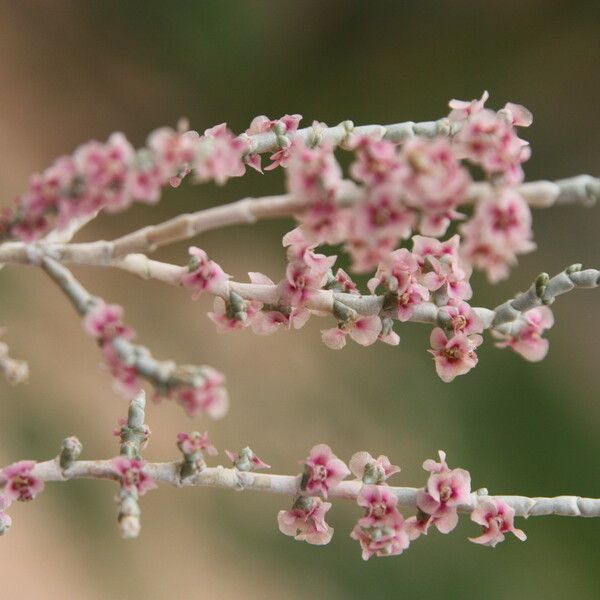
Often called the Plateau Saltwort, Anabasis oropediorum is a master of survival from the arid high plateaus of North Africa and the Middle East. This resilient, woody-based perennial looks like a collection of green, jointed fingers reaching out of the rocky desert soil. It has evolved to thrive in environments so harsh and salty that most other life withers away.
🔍 How to Identify
- 🌵 Segmented Stems: The most striking feature is its succulent, cylindrical stems that are divided into distinct segments, resembling a series of tiny stacked beads or green sausages.
- 🍃 Scale-like Leaves: To prevent water loss, this plant has traded traditional leaves for tiny, inconspicuous scales that hug the stem joints.
- 🌸 Hidden Blooms: In late summer, very small, yellowish flowers appear tucked into the joints of the upper segments, often followed by winged fruits that help the seeds travel by wind.
🏡 In Your Garden
- 🪨 The Ultimate Xeriscape: If you live in a dry, Mediterranean-style climate, this plant is an excellent choice for rock gardens or "hellstrip" planting where soil is poor and water is scarce. It essentially thrives on neglect once established.
- ☀️ Sun Worshiper: It requires full, unobstructed sunlight. In its natural habitat, it survives extreme heat by using its "succulent-like" stem tissue to store moisture, making it nearly impossible to underwater but very easy to drown in heavy, wet soil.
⚠️ Safety & Toxicity
- ✅ Livestock Friendly: In the wild, it is a significant forage plant for camels and goats, who have adapted to its high salt content.
- 🐾 Pet Caution: While not listed as highly toxic to domestic dogs or cats, members of the Anabasis genus often contain alkaloids (like anabasine). While it's unlikely to be tempting to a pet, it is best kept away from curious chewers to avoid stomach upset.
✨ Fun Fact
This plant is a chemical powerhouse! Historically, the ash from burned Anabasis species was a primary source of sodium carbonate (soda ash), which was used by desert-dwelling cultures to manufacture traditional soaps and glass.

Detailed Care Instructions








